
If you own an older home in Alpharetta, Milton, Johns Creek, Roswell, or nearby and you are deciding whether to repair an aging roof—or another known condition—before you list, start with insurability, not just presentation. For many financed buyers, a lender will not fund until acceptable homeowners coverage is in place. A roof with active leaks, storm damage, or very limited remaining life can lead an insurer to decline coverage, limit it, or require repairs before binding. In that case, pricing the home “as is” often does not clear the closing. The repair still has to happen, only later and with less room to negotiate. If the roof is older but still serviceable, and a qualified roofer can document that, selling without a pre-listing replacement can be reasonable—so long as you disclose the condition and price with it in mind.
The same test applies beyond the roof. Electrical and plumbing conditions, prior water losses, moisture, and obvious deferred maintenance can all become underwriting issues. One carrier’s answer is not the market, and a quote is not a bound policy. What you can usefully control before listing is narrower: identify the conditions most likely to draw scrutiny, decide which ones are worth fixing now, and keep the records a buyer and insurer will ask to see.
Important note: This is general information for homeowners. It is not legal, insurance, or financial advice. For your situation, consult a licensed insurance professional, your lender, and your attorney.
When does insurance enter the sale?
Homeowners insurance usually shows up more than once, and the late appearances are the ones that unsettle a contract. A buyer often requests quotes early, mainly to estimate monthly cost. After the home goes under contract, the buyer or agent typically tries to bind coverage before closing. The insurer may then order its own inspection. Findings from that inspection can change the premium, raise the deductible, add an exclusion, or require repairs before the policy will be issued.
A quote is only an indication. Underwriting or an inspection after the quote can change both price and terms. Even a policy that has already been bound can still be cancelled or modified if a post-bind inspection turns up a condition the carrier had not accounted for. That is why an early quote that “looked fine” is not the same as coverage that will still be acceptable on closing day.
Lenders commonly require acceptable hazard insurance before they will fund, but loan-program rules are not uniform. If coverage is unavailable, sharply limited, or contingent on repairs, closing can wait until the issue is resolved—or the buyer can reconsider the purchase. Confirm the requirements that apply to that buyer’s loan rather than assuming one standard for every financed offer.
What do insurers look at on older homes?
Carriers differ on roof age and condition, electrical and plumbing acceptability, inspection practices, deductibles, exclusions, and the documentation they want. A decline or a high quote from one company does not define whether the house is insurable. Shopping matters, and a condition one insurer treats as a problem may be acceptable to another under different terms.
Conditions that often draw underwriting attention include:
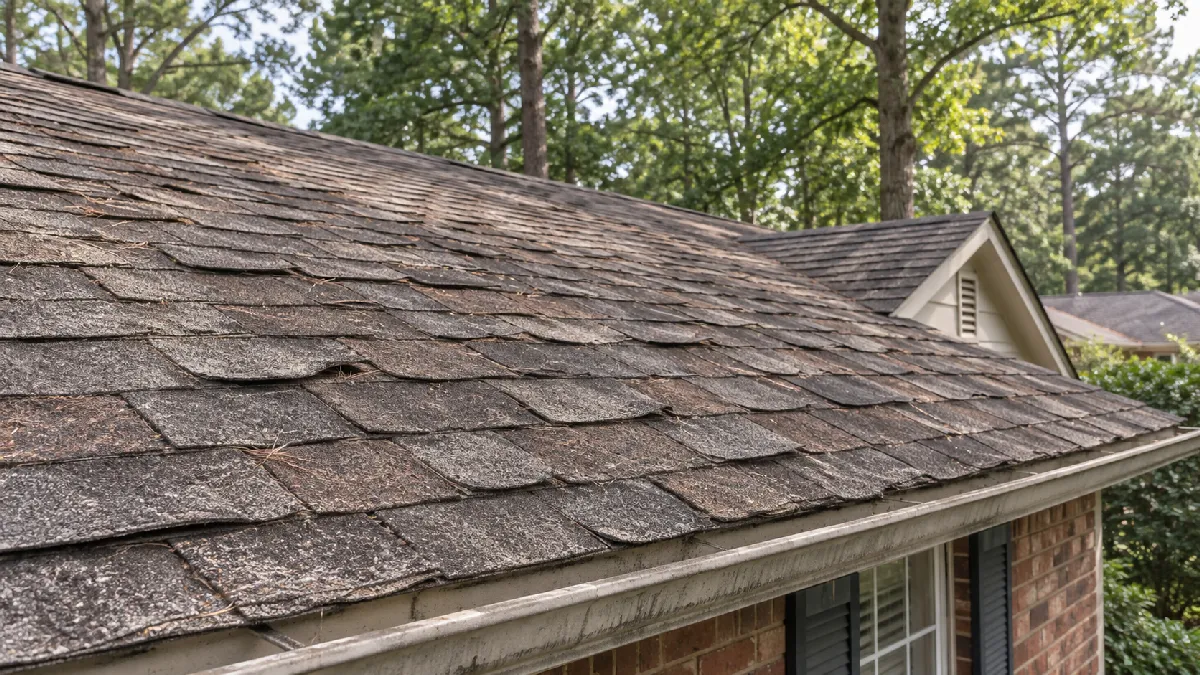
- Roof: Active leaks, visible wear, storm damage, limited remaining life, missing or curling shingles, or compromised flashing.
- Electrical: Observed safety hazards, obsolete conditions that raise fire risk, or incomplete and undocumented work. Older panels and certain legacy wiring types are sometimes discussed in this context; their presence alone is not a universal disqualifier.
- Plumbing: Signs of leaks, active moisture, prior water losses, older materials with observed deterioration, or repairs that were never documented.
- Moisture and intrusion: Active water entry, mold-like staining, soft decking or subfloors, and grading or drainage problems.
- Deferred maintenance: Rot, damaged soffits or fascia, missing handrails or guards, and broken or loose roofing or siding.
- Prior claims: Repeated or recent property losses, which can prompt extra questions or conditions.
Your current policy generally does not transfer to the buyer. Eligibility, terms, and price can differ for a new applicant because of the buyer’s profile, current carrier rules, and the property’s history. Coverage you already have is not evidence that a buyer will be offered the same result.

Should you replace an aging roof before listing?
There is no single roof rule that fits every older North Fulton house. Replacement deserves serious consideration when there are known leaks, storm damage, or clear signs of near-term failure. A recent attempt—by you or by a prior buyer—to obtain coverage that stalled on the roof is another practical signal. If you replace it, finish the work properly, pull permits where they apply, and keep paid invoices, warranty documents, and before-and-after photos. Buyers and insurers both ask for that file.
An older roof can still be left in place when it is serviceable: no active leaks or failure, and a qualified roofer willing to document that condition. Cosmetic staining is not the same problem as a roof that is failing. If another repair would do more to reduce transaction risk, or if you are unlikely to recover the replacement cost in the price you expect, a pre-listing roof job may not be the best use of the budget. That is a judgment about this house and this sale, not a universal age cutoff. Carriers differ, and their rules change. A roofer’s evaluation plus a conversation with a licensed insurance professional will tell you more than a single carrier’s published age limit.
Either path depends on paperwork. Keep evaluations, repair invoices, permits, photos, and any transferable warranties together so they can be shared without a scramble after the inspection.
How can insurance affect the buyer’s loan and closing?
Insurance problems tend to land in one of three places, and they do not all call for the same response. If no insurer will currently issue acceptable coverage, the buyer’s lender may not fund until that changes. Loan-program details vary, but this version of the problem can stop a closing rather than merely make it more expensive.
If coverage is available only with conditions, the insurer may require specific repairs before binding, or within a set time after binding. A pre-binding repair can delay closing. A post-binding requirement may still show up as a buyer request, because the buyer is being asked to accept a policy that is not yet unconditional.
If coverage is available but costly or narrow—a higher premium, a high deductible, or limited roof coverage—the buyer may revisit affordability or ask for a concession. These issues often appear late because some carriers finish underwriting only after an external inspection, sometimes after a quote and sometimes after binding. Early quotes can look acceptable and still change.
Sellers cannot control a carrier’s underwriting. They can anticipate the likely flags, complete targeted repairs with documentation, and answer inspection findings quickly once the home is under contract.

When should you fix a condition, and when is pricing around it enough?
Fix the item before listing when it is a safety hazard or an active failure—a leak, sparking, or ongoing moisture—and the scope is clear enough to complete and document. The same choice usually makes sense when the repair is likely to remove a common reason for an insurer to hesitate. In those cases, the work is less about curb appeal than about whether a financed buyer can get to the closing table.
Pricing the condition, or offering a credit, can be rational when the component is aged but functional and you have a professional evaluation that says so. It can also fit when the work is largely discretionary, your timeline or budget will not support a pre-listing project, or the likely buyer is in a position to complete the work after closing on their own terms. A credit is a price tool. It is not a substitute for a repair an insurer or lender requires before coverage or funding.
A credit will not solve the hold-up when the insurer requires the repair before issuing or binding a policy, or when the lender requires acceptable coverage before funding. The credit you would need may also exceed what that buyer’s loan program allows. Concession limits vary by program, so do not assume a standard cap.
Which assumptions tend to complicate these sales?
A few familiar assumptions create late surprises that the paperwork could have prevented.
“One quote is the market.” Underwriting is carrier-specific. If the first answer is unfavorable, the buyer or agent should shop other options before treating the house as uninsurable.
“I have a policy, so the buyer will too.” The buyer is a new applicant. Eligibility and terms can differ from the policy you already hold.
“A preliminary quote means we are set.” A later inspection or underwriting review can change coverage or price, sometimes by enough to reopen the negotiation.
“Every insurer uses the same roof, electrical, and plumbing standards.” They do not. Documentation requirements vary as well.
“A price reduction fixes any objection.” Not when the insurer or lender needs the repair completed before closing. Price does not replace a condition that blocks coverage or funding.

Should flood coverage be treated as a separate question?
Yes. Standard homeowners policies generally do not cover flood, and flood questions should not be folded into the roof and systems discussion. Depending on mapped flood risk and the buyer’s loan or program rules, a lender may require separate flood insurance for a property in a designated high-risk flood area. Those requirements follow mapping and loan rules, not neighborhood reputation.
FEMA publishes flood maps through the Flood Map Service Center (msc.fema.gov), and the National Flood Insurance Program publishes program guidance (fema.gov/flood-insurance). Verify any flood exposure against current official maps and the buyer’s lender requirements rather than inferring it from local anecdote. Roof underwriting and flood determinations use different policies, different maps, and different rules.
What is worth doing before you list?
A short pre-listing pass is more useful than a broad renovation. Focus on records, the conditions most likely to be questioned, and what you will and will not promise a buyer.
Documentation. Gather permits, invoices, warranties, maintenance notes, and photos for roof, electrical, plumbing, and moisture work. If older projects were never filed, document current condition rather than reconstructing a history you cannot support.
Condition. Have a qualified roofer assess the roof. Where the house warrants it, have a licensed electrician or plumber look at function and safety. Small items—loose handrails, missing smoke detectors, minor drainage problems—can read as deferred maintenance to both buyers and insurers.
A current insurance read. Ask a licensed insurance professional what a typical financed buyer might encounter on a property with this profile, and whether any condition is likely to trigger an inspection or a repair-before-binding requirement. Carrier practices change, so general recollection is a weak guide.
Disclosure. Prepare accurate disclosures of known material facts. Do not promise that coverage will be easy, and do not quote premiums for a future buyer. You can disclose what you know. You cannot control the buyer’s underwriting result.
Timing. If you are going to replace a roof or complete another repair that insurers tend to question, finish it before listing when you can, and keep the file ready to share. Half-finished work usually creates more questions than it answers.
Before you spend the money, four questions are usually enough:
- If we do nothing now, which insurance issues could arise for a typical financed buyer?
- If we complete this specific repair, is it likely to remove a common underwriting objection?
- Can the work be permitted, inspected, and documented before listing?
- Would a credit after closing still work if an insurer requires the repair before binding?
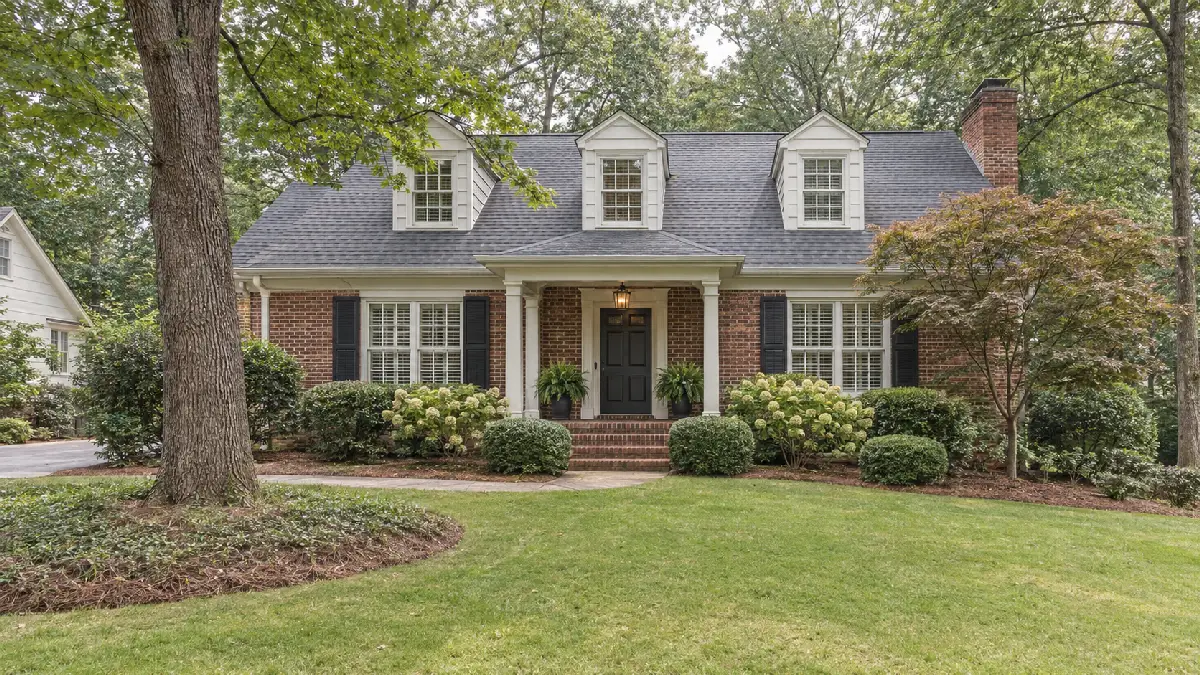
For an older home in this market, the useful distinction is not “repaired houses show better.” It is whether a condition is likely to block binding coverage or loan funding. Spend pre-listing money on active failures and on the items most likely to stop a financed closing. Price, disclose, and document the components that are older but still functional. That split will not guarantee a buyer’s insurance outcome. It does reduce the chance that an underwriting finding becomes a last-week renegotiation.
Talk with Greg about your situation if you want a practical look at how condition and insurability intersect for your property before you commit to a repair or a price.