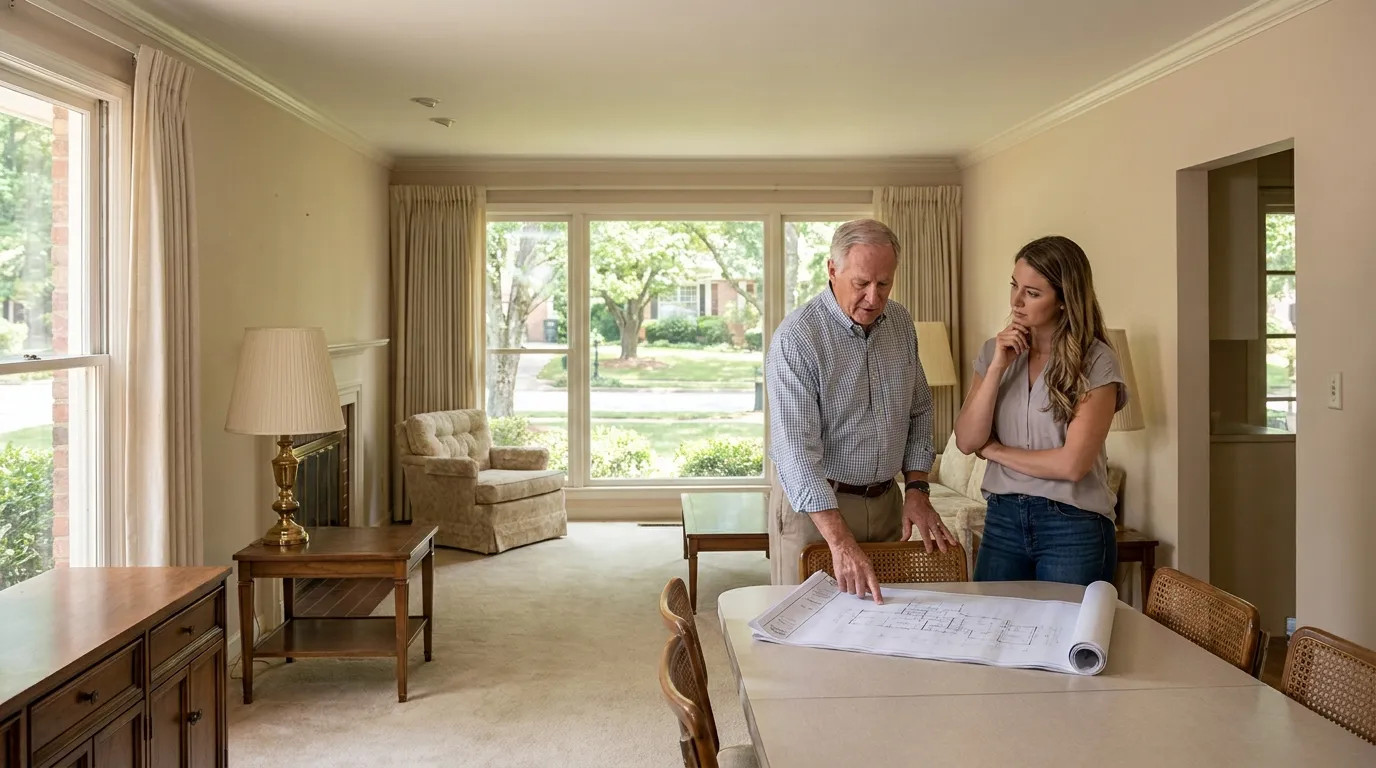
You're deciding whether to invest in updates, make a few targeted fixes, or sell your Alpharetta home as it stands. The useful question is not which project might raise the price. It is whether a specific improvement improves the outcome after cost, timing, disruption, uncertainty, and the homes you are actually competing against.
This guide is a way to choose among three paths—sell in current condition, do selective preparation, or take on more substantial work—using the property's condition, the buyers most likely to respond, and the listings already on the market.

Start with the Right Question—and the Three Viable Paths
The choice is not whether to renovate. It is which scope of preparation fits the property, its position in the market, and your tolerance for cost and delay.
Path 1: Sell in Current Condition When Speed, Cash Preservation, or Minimal Disruption Matter Most
Selling as it stands can make sense when you need to move quickly, do not have capital or ready financing for improvements, or do not want to manage construction while preparing to leave. It is often a better fit when the home is structurally sound, the condition can be described honestly, and you will price for that condition. Buyers willing to take on renovation are present in many markets. What you may give up in price, you can gain in certainty and a shorter path to closing.
Path 2: Selective Repairs and Cosmetic Prep to Remove Obvious Objections
For many sellers, this is the practical range. The aim is to remove likely objections and improve the first impression without taking on remodel risk. Functional repairs, thorough cleaning and decluttering, fresh neutral paint where surfaces are worn or highly personal, and a home that reads as bright, dry, and maintained will usually do more than a partial redesign. You are not installing luxury finishes. You are making the buyer's decision easier.
Path 3: More Substantial Work When Meaningful Condition Issues Exist or the Competitive Gap Is Large
Larger work can be justified when safety, structural, or system failures need to be resolved for the sale you have in mind, or when the gap versus comparable listings is wide enough to change how buyers see the home. Cost overruns, schedule slip, and over-improvement are more likely here than with lighter preparation. Treat this as a managed project with a defined reason, not as an assumption that spending more will be recovered.
Separate Cosmetic Datedness from Meaningful Repair Issues
Not every condition issue deserves the same response. The line between cosmetic age and problems that affect safety, soundness, or performance should decide where time and money go first.
Issues That Come First
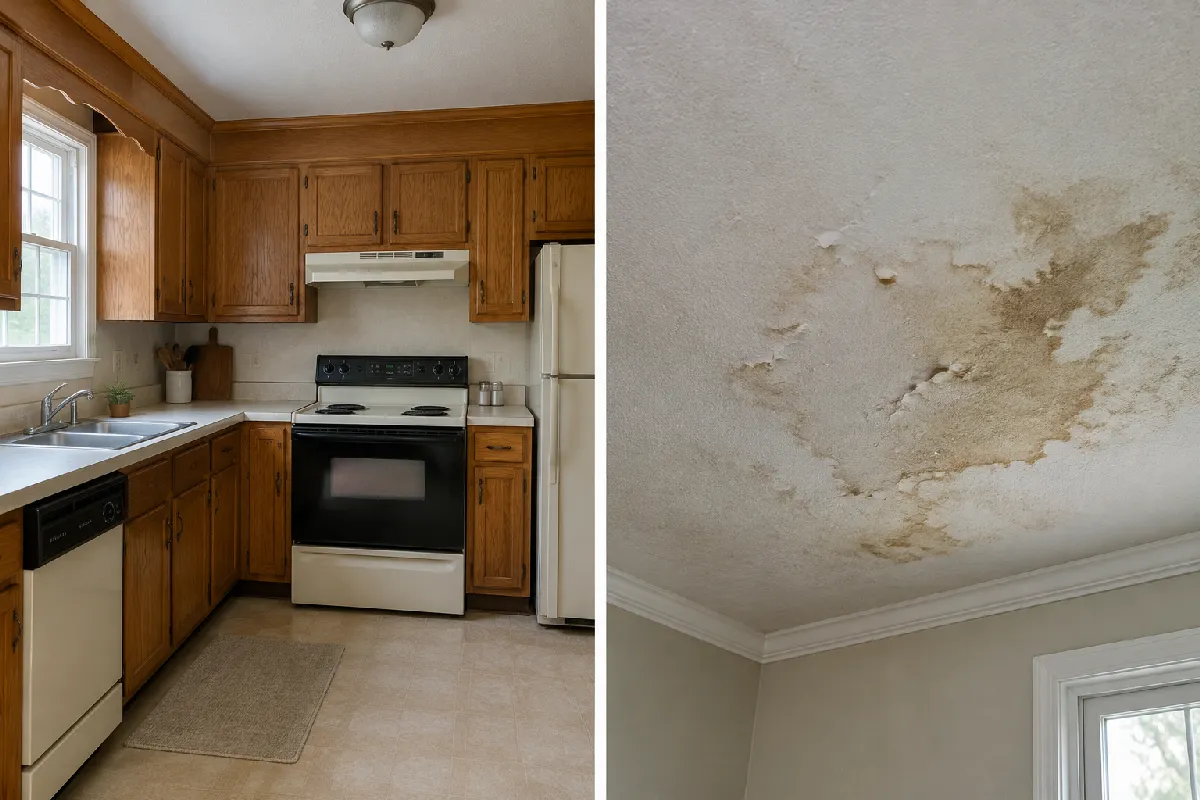
Water intrusion, roof failure, structural movement, unsafe electrical or plumbing, HVAC failure, moisture and drainage problems, rot, broken or unsafe openings, and deck, stair, or railing hazards belong at the top of the list. They can affect safety and structural integrity. They often appear in inspections, can unsettle buyer confidence, and can complicate or block financing. Leaving them unaddressed does not take them out of the transaction. It usually moves the negotiation to a later, less favorable point.
Cosmetic Conditions
Worn paint, dated but serviceable cabinets and fixtures, minor scuffs, older finishes, clutter, and tired landscaping are presentation issues. They can change how a buyer feels walking through, but they do not necessarily threaten how the building performs. Pricing, cleaning, and staging often handle them better than replacement.
Why the Distinction Matters
Problems tied to safety, soundness, or structural integrity can stall a sale or force concessions after inspection. Cosmetic age is usually a presentation and pricing conversation. Solve the first before spending heavily on the second.
Cost Is Not the Same as Value Created—Judge Net Outcome
A project that costs a given amount does not create that amount of value. The question is whether the work changes your competitive position and your net proceeds after cost and risk.
Consider All Forms of Benefit
Preparation can support price, improve how the home compares, make it easier to show, reduce transaction risk, or spare you a difficult negotiation later. Those benefits are not interchangeable, and not all of them appear as a higher sale price. A repair that prevents an inspection objection can be worth doing even if it does not change an appraisal. A restrained update can help buyers connect with the house even when recent sales do not support a premium for the finish itself.
Why General ROI Patterns Are Not a Promise
General discussions of renovation return often mix owner satisfaction, estimated resale effect, and project cost. Those perspectives do not move together, and they are not a forecast for any one home in Alpharetta or North Fulton. If you use them at all, use them as a reminder that cost and resale effect diverge—not as a reason to approve a scope.
A Simple Decision Test
If the work were already done, would it materially change how buyers compare your home with the real alternatives they are considering? If not, it may not deserve priority. If it would, the next question is whether the cost, time, and risk are justified by that change.
Compare Against Real Alternatives in Alpharetta and North Fulton
Your competition is not an inspiration photo or the most renovated house nearby. It is the small set of listings that share your location, size, bed and bath count, lot, age and construction, floor plan, price band, and finish level.
Define Your Competition Accurately
Buyers typically shortlist on practical terms: location, school zones, commute, bedroom and bathroom count, lot size and character, age and construction quality, how the floor plan works, and price. Those are the homes to measure against when you decide how much to spend.
What Renovation Can't Fix
Interior finish work generally does not change the lot, traffic exposure, privacy, topography, or an awkward floor plan. It rarely changes ceiling height or the amount of natural light in a meaningful way. If the disadvantage is location or layout, renovation alone may not close the gap. Honest pricing and clear positioning usually matter more.
When Strong Fundamentals Reduce the Need to Remodel
A good lot, a workable floor plan, and honest pricing can let dated finishes compete. If your home has better bones, more privacy, or a more useful location than the listings buyers will also see, they may accept older cabinets and counters in exchange. That is not an argument for neglecting condition. It is a reason not to assume luxury finishes are required.
What Actually Moves Buyer Perception—Why Selective Prep Is Often Smarter
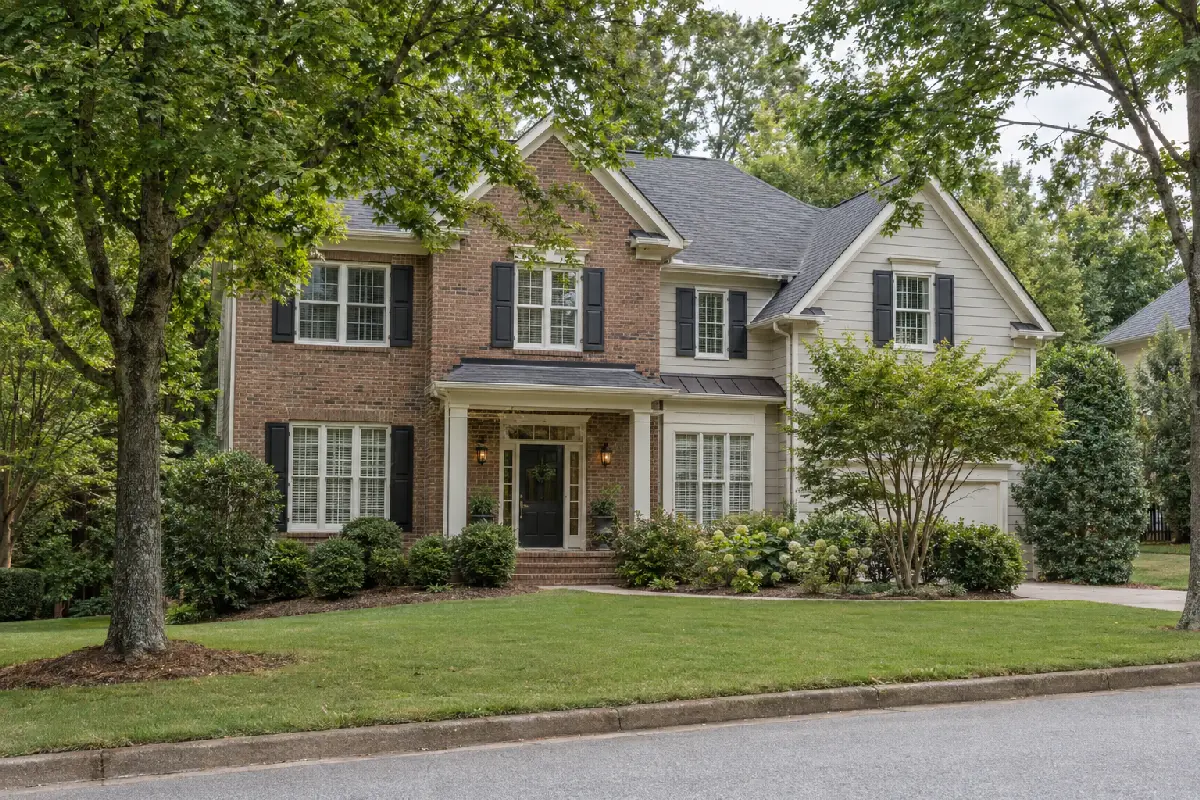
Many buyers respond to homes that feel clean, dry, bright, functional, and visually consistent. Luxury is not required for that.
Aim for Clean, Dry, Bright, Functional, and Visually Consistent—Not Luxury
Selective preparation should remove objections, not produce a showroom. Buyers can often picture their own choices more easily in a neutral, well-kept space than in one that feels neglected or highly personal.
Practical, High-Influence Items
- Cleaning and decluttering, done thoroughly enough that the home photographs as cared for.
- Neutral paint where surfaces are worn, stained, or highly personal.
- Repairs to damaged walls, trim, doors, and floors—visible care, not a redesign.
- Lighting that works: functioning fixtures, enough brightness, and window treatments that let daylight in.
- A refreshed entry, basic exterior care, and simple landscape maintenance.
- Kitchens and baths that are clean, cohesive, and functional, even if the finishes are ordinary.
Where Sellers Overspend
A fully customized kitchen or bath is where overspending usually starts. Some buyers will change finishes to suit themselves, so a highly personal remodel may not return its cost. Improve condition and cohesion before style. Cabinets that are clean, doors that close, counters that are intact, and fixtures that work are the foundation. That usually matters more than the difference between two acceptable countertop materials or two ordinary door styles.
A Caution on Common Recommendations
Whole-home paint and roof work are often suggested before a listing. Both can be sensible when condition calls for them. Neither is automatic. Whether either is worth doing depends on current condition, the homes you are competing with, and what buyers in your price band expect.
Timing, Disruption, and Over-Improving—Core Risks to Respect
Even a well-scoped project can slip. These risks should shape whether you proceed, and how you manage the work if you do.
Construction Uncertainty
Hidden conditions, change orders, and scope creep are common once walls are open or finishes come off. A contingency in both budget and time is not pessimism. It is how you keep a preparation project from becoming the thing that delays the sale.
Schedule, Permits, and Carrying-Cost Risk
Permitting, material availability, subcontractor schedules, and weather can all push an optimistic timeline. If you are carrying a mortgage, insurance, utilities, and possibly temporary housing or storage, delay has a real cost. Set the market date from a conservative completion, not from the best-case schedule.
Over-Improvement
Finishes that are too personal, too expensive for surrounding sales, or that push the asking price past what comparable homes support are a common way to spend more than the market will return. Renovation is more useful when it brings the home into line with its competition than when it tries to make the home the highest-priced listing nearby.
Listing Logistics
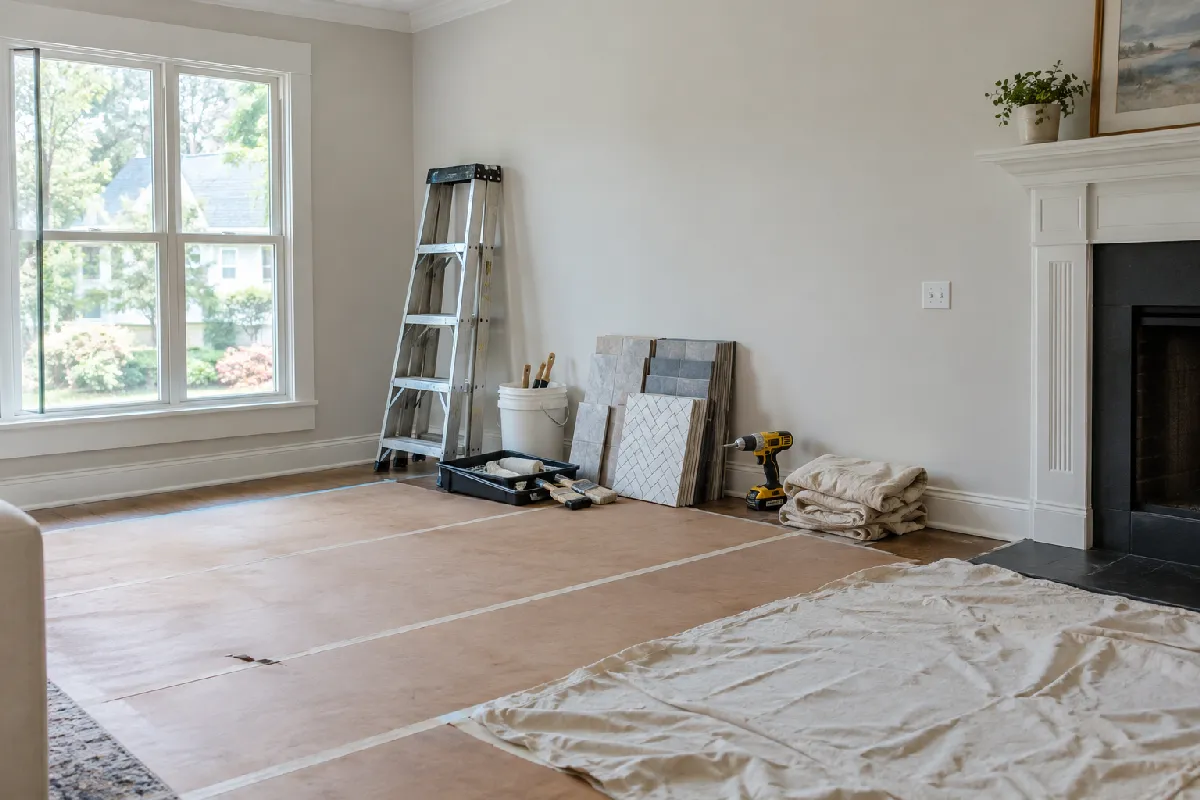
Do not book photography, marketing, or a launch date against a hopeful completion. Leave room for the punch list, paint cure, final cleaning, and any staging. Listing before the home is actually show-ready can undo the preparation.
A Short Pre-Commitment Evaluation Framework
Before you sign a contract or start work, walk the decision in order. The point is to keep a tempting project from outrunning the reason for doing it.
Work the Sequence
- Identify repairs tied to safety, water, structure, and systems.
- Separate those from cosmetic opportunities.
- Compare the home with the listings buyers are most likely to tour alongside it.
- Estimate cost with a real contingency, and be honest about execution risk.
- Estimate time, including how confident you are in the schedule and where you will live during the work.
- Acknowledge lot, location, and floor-plan limits that renovation will not change.
- Check whether the finished home would sit above what nearby sales appear to support.
- Then choose as-is, selective prep, or more substantial work—and only then settle pricing and positioning.
Questions to Answer Before You Sign a Contract
- What specific objections will this work remove at the first showing and at inspection?
- How does this scope change the home's standing against the most likely competing listings?
- Can it be completed with a defined scope, real quality control, and a schedule you can trust?
- If the timeline slips, what do carrying costs and disruption look like, and are they acceptable?
- After the work, will the home still be priced appropriately for the area and the finish level?
- Would the same money do more as a price adjustment, a smaller set of repairs, or better presentation?
- Are you solving dry, safe, functional, and bright before you solve style?
- Does the plan fit your timing, cash, and tolerance for hassle?
Most expensive preparation mistakes are visible in those answers, if you are willing to look at them before you commit.

Conclusion
The useful answer is rarely a full remodel, and it is rarely doing nothing. It is the scope that improves the net result after condition, competition, cost, time, disruption, and what you actually need from the sale. Repair before you restyle. Compare against the homes buyers will really see. Prefer selective work that removes clear objections over a remodel undertaken because spending more feels like progress.
When preparation is specific, it can take friction out of the showing and the inspection. When it is reactive, or done without a competitive reason, it can cost more than it returns.
If you are weighing how much to do before listing, a focused read of condition, pricing, and competition can limit both overspending and delay. Resideum represents sellers in Alpharetta and North Fulton and can help evaluate preparation and positioning together, including renovation and property-potential options when they genuinely fit. Talk with Greg about your situation if you want a second view of scope, timing, and pricing before you commit.