Renovate
Larger work may be considered when function, condition, competitive positioning, timing, and likely buyer response support the scope—not simply because the home is dated.
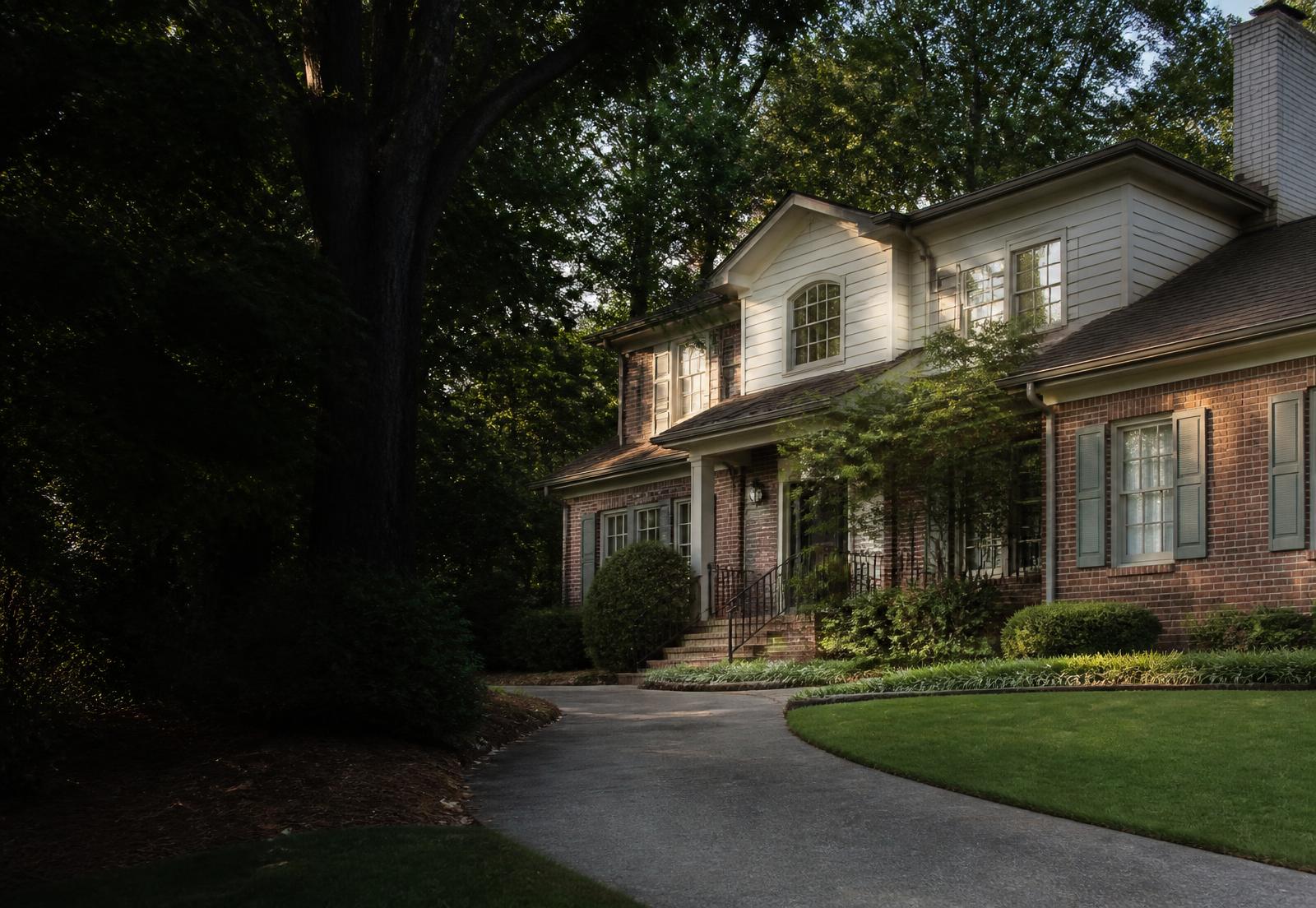
Renovation & Property Potential
A dated kitchen, deferred maintenance, awkward floor plan, or unfinished potential can change the economics of both buying and selling. Resideum helps clients evaluate condition, renovation exposure, improvement priorities, and future marketability before making expensive decisions.
Know what to improve, what to leave alone, and what the property could become.
The complete context
The same improvement can be useful in one home, unnecessary in another, and too disruptive in a third. The property and objective determine the questions—not a standard renovation checklist.
Separate visible presentation issues from maintenance, systems, and conditions that may require professional evaluation.
Property type, surrounding homes, buyer expectations, and current competition shape what appropriate improvement looks like.
Cost, schedule, disruption, carrying exposure, and the ownership horizon can change whether work is practical.
An owner improving for personal use may make different choices from a seller preparing for an unknown buyer.
Condition, function, finish continuity, and the risk of over-improvement should be considered as a complete market position.
For sellers
The objective is not perfection. It is a deliberate market position that respects the home, likely buyer, budget, time, and practical economics of the work.
Larger work may be considered when function, condition, competitive positioning, timing, and likely buyer response support the scope—not simply because the home is dated.
Paint, selected flooring, lighting, landscaping, targeted repairs, staging, and presentation may resolve the most important objections without major remodeling.
Deferred maintenance or condition issues may matter more than new finishes when they affect confidence, inspection exposure, financing, or appraisal context.
An as-is strategy can be reasonable when time, budget, disruption, property condition, buyer profile, or the economics of the work support restraint.
Before spending, understand:
Before spending money on improvements, understand which changes are most likely to matter for your specific property and competitive set.
Explore Seller RepresentationFor buyers
The useful comparison is not simply updated versus dated. It is manageable updating versus meaningful renovation exposure—and whether the likely scope fits the buyer, budget, timeline, tolerance, and future market.
The right question is not simply “Can this be renovated?” It is whether the scope, cost, risk, and end result make sense for the buyer and the market.
Explore Buyer RepresentationVisible cosmetic work or focused functional improvements may fit the buyer’s budget, timing, tolerance, and plans.
Multiple systems, layout constraints, deferred maintenance, or significant scope can introduce more cost, sequencing, disruption, and uncertainty.
A promising purchase basis may be offset by condition, execution demands, near-term capital needs, or a finished result that does not fit the market.
Visible condition, deferred maintenance, major systems, layout limitations, inspection findings, near-term capital needs, complexity, and future marketability all belong in the decision. Scope and cost should be confirmed with appropriate contractors or specialists.
Improvement priorities
Priorities should be tested against function, condition, buyer expectations, cost, disruption, competitive positioning, resale appeal, and over-improvement risk. A room category alone does not determine importance.
Kitchen function and finish
Bath condition and usability
Flooring and paint
Lighting and electrical questions
Curb appeal and landscaping
Exterior repairs
Windows and doors where relevant
Major systems
Layout changes
Additions or expanded space
There are no universal improvement rankings, promised value increases, or assumed returns. Sometimes repair matters more than renovation; sometimes consistent presentation matters more than an expensive focal room.
Condition literacy
Appearance and condition can overlap, but they create different questions. Keeping them separate improves pricing, negotiation, inspection planning, financing conversations, marketability, and renovation decisions.
Features may look older without being defective. Their importance depends on condition, continuity, buyer expectations, and the broader property.
Observed signs may warrant evaluation by an appropriate licensed or qualified professional before scope, price, or negotiation decisions are made.
Resideum does not diagnose technical conditions or determine adequacy or safety. Roofing, water, HVAC, electrical, plumbing, exterior, structural, foundation, drainage, and safety questions may warrant evaluation by an appropriate licensed or qualified professional.
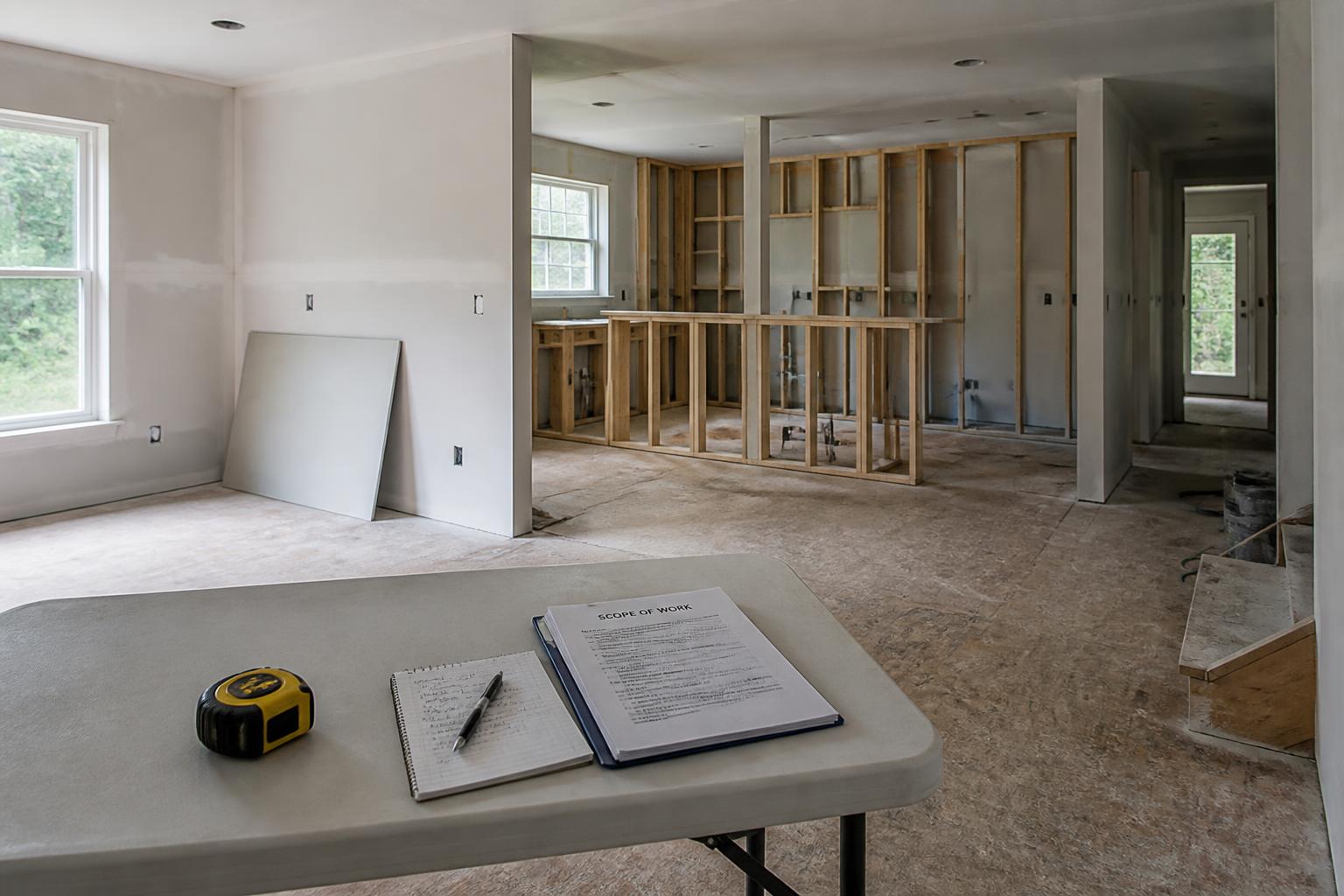
Budget discipline
Early assumptions can expand as the property, plans, materials, and sequence become clearer. A disciplined decision leaves room for uncertainty rather than treating the first visual estimate as the complete project.
Use professional estimates where appropriate and establish realistic contingency. Resideum does not provide permitting, code, or legal conclusions, or guarantee cost or timeline.
Resideum helps recognize possibilities and identify the questions that should be investigated further. Opportunity begins with thoughtful observation—not an assumption of feasibility.
Architects, engineers, surveyors, attorneys, zoning and permitting authorities, specialist contractors, and other qualified professionals confirm technical, legal, structural, zoning, buildability, and permitting matters. No redevelopment right, feasibility, or profit is implied.
Restraint as strategy
A technically beautiful project can still be financially inefficient or poorly matched to its property, likely buyer, or market context.
The analysis is practical rather than numeric: where does another dollar improve function or appeal, and where does it primarily express personal preference? Formal value conclusions belong to an appraiser.
Due diligence
Licensed inspectors and specialists identify and diagnose technical conditions. Resideum helps clients interpret the transaction significance and decide what those findings mean for the deal.
For a value-add buyer, the opportunity depends on disciplined assumptions and the downside case—not simply a compelling vision for the finished property.
Explore Investor ServicesGreg is a licensed real estate broker with a NASCLA General Contractor license, Georgia and South Carolina contractor credentials, and experience in residential renovation, construction, development, real estate investing, and property management.
The benefit is better questions, earlier issue recognition, more disciplined improvement judgment, stronger negotiation awareness, attention to hidden complexity, and knowing when specialist input is needed—not a résumé of titles.
Construction and investment experience informs the real estate representation.
It does not replace licensed inspection, engineering, architecture, legal advice, appraisal, zoning or permitting confirmation, or specialist contractor evaluation.
Local property context
A renovation strategy that makes sense in an older Dunwoody home may be very different from one in newer Cumming-area construction or a larger-lot Milton property. Property type and context change the decision.
Advisory fit
This service is for clients who want to understand the property and the implications of its condition before money, risk, or strategy becomes difficult to reverse.
Common questions
Useful guidance starts with the property, objective, condition, likely scope, market context, and appropriate professional findings.
Renovation & Property Potential
The right decision may be to renovate, refresh, negotiate, buy as-is, sell as-is, or walk away. Experienced judgment helps clarify which path makes sense before the property dictates the answer.