The original house sets the starting point
Construction era, structural form, ceiling heights, room relationships, stairs, storage, and connections to outdoor space establish constraints and opportunities that surface finishes cannot erase.
Dunwoody Real Estate
Dunwoody homes can differ substantially in age, condition, renovation quality, floor plan, lot characteristics, street position, and long-term marketability. Resideum helps buyers and sellers understand which differences are cosmetic—and which can materially affect value, risk, and resale.
Dunwoody in Context
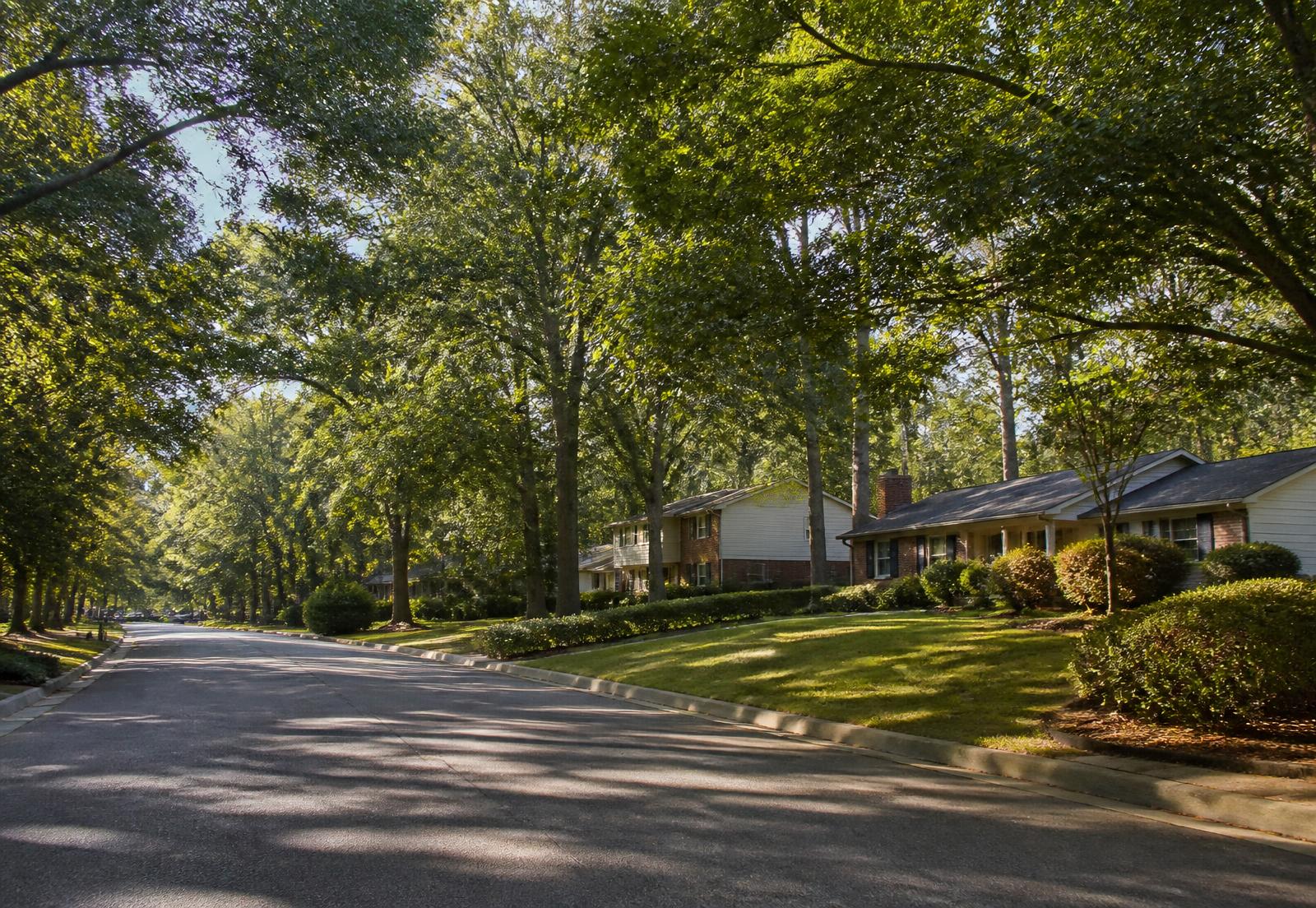
Dunwoody’s residential identity includes established neighborhoods alongside attached housing, newer infill, renovated properties, and homes that retain more of their original form. That variety makes construction history and property-level execution especially important when nearby addresses appear similar by size or map position.
The City of Dunwoody’s planning materials address established neighborhood character while identifying Perimeter Center as a distinct area of continuing reinvestment and mixed-use planning. Regional roads, transit, services, and commercial centers shape location choices, but they do not make every street or property interchangeable.
For residential renovation, additions, and new construction, the City maintains current permitting and inspection processes. Those official reviews are an essential part of feasibility; they do not replace property-specific advice from qualified design, engineering, construction, tree, site, and legal professionals.
Local context is grounded in official City of Dunwoody comprehensive planning, Perimeter Center, transportation, Community Development, permitting, inspection, and zoning-reference materials. Current requirements, boundaries, approvals, and property conditions must be verified for the specific address.
Local Decision Insight
Age alone does not determine quality or value. The important work is understanding how the original house, later decisions, current condition, lot, and surrounding context come together for today’s buyer.
Construction era, structural form, ceiling heights, room relationships, stairs, storage, and connections to outdoor space establish constraints and opportunities that surface finishes cannot erase.
An attractive kitchen or addition may improve daily use, but permits where required, workmanship, structural integration, moisture management, mechanical changes, and design continuity help determine whether the work truly strengthens the property.
Roofing, drainage, electrical, plumbing, heating and cooling, windows, insulation, and other age-sensitive components can create very different ownership exposure among homes that appear comparable online.
Exterior deterioration, water-management concerns, aging finishes, neglected repairs, and accumulated small issues can influence inspections, negotiations, financing, timing, and a buyer’s willingness to take on the home.
Usable outdoor area, slope, privacy, driveway approach, road position, traffic exposure, drainage observations, tree context, and neighboring properties affect enjoyment and later marketability.
Two similarly sized homes can perform differently when one offers coherent function and well-executed improvements while the other presents awkward changes, unresolved systems, or work that exceeds what its setting supports.
Two homes with similar size and location can produce very different outcomes when condition, renovation execution, floor-plan function, and long-term exposure are considered together.
For Buyers
Resideum helps buyers examine how condition, prior work, layout, systems, lot, neighborhood context, price, and terms combine before the transaction becomes difficult to unwind.
A beautifully updated home and a poorly remodeled home can look similar at first glance. Experienced evaluation helps identify the difference before you commit.
Learn About Buyer RepresentationFor Sellers
A strong strategy places the home honestly within renovated competition, dated alternatives, and buyer expectations. Resideum connects preparation, pricing, presentation, photography, appraisal, inspections, offer quality, and contract execution.
Before spending money on a major remodel, it helps to know which improvements buyers are likely to reward—and which may not materially change the outcome.
Explore Seller RepresentationSeller Preparation
The right choice depends on current condition, competing inventory, likely buyer, budget, time, neighborhood context, and the position the home can credibly occupy. No project carries a guaranteed return.
Paint, flooring, lighting, cleaning, editing, and focused landscaping can improve clarity when the underlying home is sound. Scope should follow condition and competition, not a generic checklist.
Exterior deterioration, visible maintenance issues, drainage concerns, damaged finishes, and known defects deserve early attention while the seller still has choices and time to consult qualified professionals.
A repair, targeted update, or full remodel creates different cost, schedule, and execution risk. The useful question is whether the work changes how the home competes—not whether the room can be made newer.
Larger work can affect structure, systems, permitting, layout, and market position. It should be considered only after testing feasibility, budget, timing, buyer profile, and the likely finished result.
Some sellers benefit from preserving capital and pricing for condition rather than managing a complex project. That choice still requires preparation, documentation, presentation, and disciplined positioning.
Renovation and Development Context
Some Dunwoody properties deserve a deeper improvement analysis. The objective is not to encourage demolition or construction by default, but to understand whether a disciplined next step may fit the building, lot, neighborhood, resources, and risk.
A viable plan starts with the existing structure, system condition, layout constraints, realistic scope, specialist input, carrying time, and a finished position supported by the surrounding market.
Added area is not automatically added value. Integration with the original home, circulation, architecture, site conditions, approvals, construction cost, and the quality of execution all matter.
For selected properties, the lot and neighborhood may invite a rebuild analysis. It is not a default recommendation: current rules, site conditions, utilities, trees, design, cost, financing, and resale ceiling require property-specific professional review.
An investment case should connect purchase basis, improvement plan, contingencies, carrying exposure, likely demand, and exit strategy. Greg’s construction and development background helps identify questions before specialists price or approve the work.
Technical, legal, permitting, zoning, tree, engineering, and construction feasibility must be confirmed for the specific property through current City information and appropriate professionals.
Dunwoody Housing Context
Dunwoody should not be reduced to one age, condition, or project type. Each housing context changes what deserves attention.
Mature streets and recognizable neighborhood patterns can be appealing, while construction era, system age, prior work, lot position, and surrounding upkeep distinguish individual homes.
The strongest examples pair coherent design with sound workmanship, functional improvements, maintained systems, and choices that make sense for the property rather than finishes alone.
These require a clear inventory of what changed, what remained, how phases connect, and whether unfinished work or aging systems alter the apparent value of the updates.
Shared structures, exterior responsibility, fees, rules, parking, privacy, condition, and competing units create a different diligence and resale framework from detached homes.
Architecture, finish continuity, additions, systems, site planning, privacy, and construction execution should support the premium position buyers are being asked to accept.
Potential depends on the building, lot, project complexity, professional findings, approvals, budget, schedule, acquisition basis, and likely finished market position.
Only selected properties merit this analysis, and technical or legal feasibility must be confirmed with the City and qualified design, engineering, construction, tree, and site professionals.
A value-add opportunity needs enough margin for uncertainty, carrying costs, execution risk, and market response; an older or dated home is not automatically an investment opportunity.
Dunwoody Property Search
Search current Dunwoody listings, then connect with Resideum for experienced guidance on condition, renovation quality, value, neighborhood context, negotiation, inspections, and risk.
Search All Dunwoody HomesSeller Strategy
Before deciding whether to renovate, refresh, or sell as-is, understand how your home compares with updated competition and what today’s buyers are most likely to notice.
Experience Changes the Outcome
Across 37 years, nearly 9,000 transactions, and more than $1 billion in career transaction volume, Greg Kurzner has developed pattern recognition around renovation decisions, preparation, pricing, negotiation, inspection issues, risk, and problem solving. His construction and development experience adds practical context when a home’s past work or future potential deserves closer analysis.
The goal is not to make every property new. It is to understand what is sound, what creates exposure, and what choice best supports the outcome.
Local Resources
Continue with a live service, search, or community resource that supports the next decision. Future Dunwoody guides can extend this collection without placeholder links.
Dunwoody Real Estate FAQ
The useful answer depends on the specific building, lot, prior work, current condition, competition, and client objective.
Dunwoody Real Estate
Whether you’re buying, selling, renovating, or evaluating a property’s potential, the right decision depends on understanding condition, execution, risk, and future marketability.