
Investor Services
Evaluate the Deal, Not Just the Property.
Investment real estate requires more than finding a house that looks inexpensive. Resideum helps investors evaluate value, risk, renovation, marketability, financing, and execution with the perspective of someone who understands both the transaction and the investment.
Experience applied
Experience Across the Entire Investment Lifecycle
Greg’s background spans brokerage, investing, construction, development, property management, institutional representation, distressed sales, and thousands of residential transactions. That broader perspective helps identify both opportunity and risk before capital is committed.
Investor strategy
A Deal Is a Set of Decisions, Not a Single Number.
Basis, cost, upside, negotiation, and exit are connected. Evaluating them together is what separates a property that looks like an opportunity from one that behaves like one.
- Acquisition
Buy the Right Basis
The economics of an investment are largely set at acquisition. We evaluate price relative to current condition, market value, rent potential, renovation exposure, and the exit options realistically available.
A property can look inexpensive and still be expensive once condition and market reality are accounted for. The basis has to hold up against the plan, not just the list price.
- Cost discipline
Understand the Real Cost
Purchase price is one line. Renovation, holding costs, financing, taxes, insurance, maintenance, reserves, and transaction costs all affect what the deal actually requires.
Working through those inputs early tends to surface the assumptions that matter most—and the ones that were never tested.
- Value creation
Evaluate the Upside
We assess the realistic ways value may be created: renovation, repositioning, improved rent, resale, or a longer hold—and what each path would require.
Upside worth pursuing is upside the market is likely to pay for. The neighborhood, buyer pool, and comparable evidence set the practical limits.
- Negotiation
Negotiate With the Numbers in Mind
Deal economics, seller motivation, condition risk, terms, timing, certainty, and your alternatives all shape where leverage exists and what a concession is actually worth.
Negotiation informed by the underwriting is more useful than negotiation aimed only at the headline price.
- Exit planning
Plan the Exit Before You Buy
Rental hold, resale, refinance, future marketability, and liquidity deserve consideration before acquisition—not after the capital is committed.
Knowing how you would exit, and who the likely buyer or tenant would be, often clarifies whether the entry price makes sense.
Property and renovation
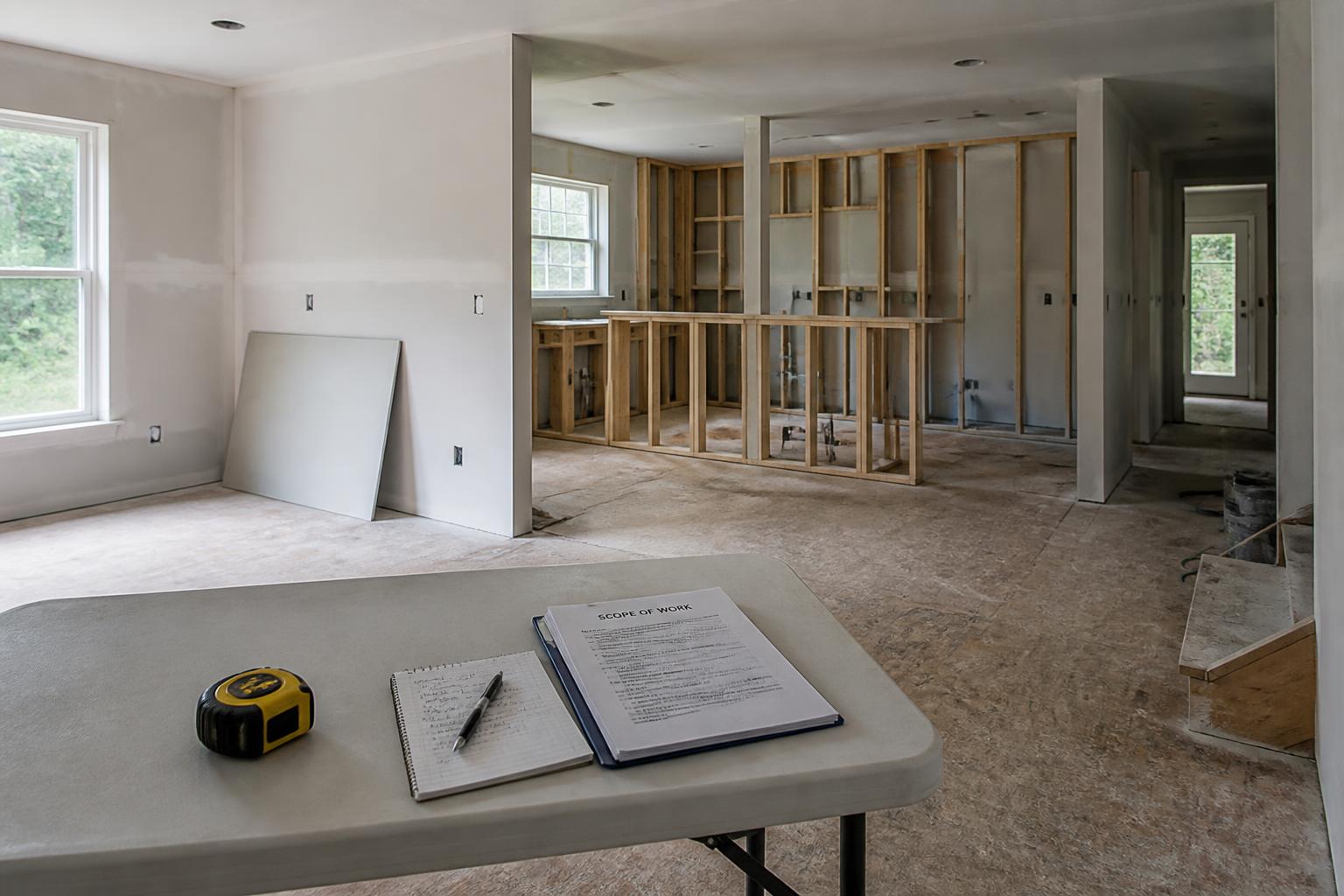
The Numbers Are Only as Good as the Assumptions Behind Them.
A spreadsheet will accept any input you give it. Resideum helps you pressure-test the property assumptions underneath the model—what the house actually needs, what the market will pay for it, and where the estimate is most likely to be wrong.
- Property condition and major systems
- Deferred maintenance
- Renovation scope and sequencing
- Likely repair exposure
- Rentability and tenant appeal
- Resale marketability
- Neighborhood context and ceiling
- Functional obsolescence
- Value-add potential
Resideum helps interpret the transaction significance and market impact of what a property shows. Detailed inspections, contractor bids, engineering opinions, and legal, tax, and financial advice should come from appropriate licensed professionals.
Rental investment
Cash Flow Starts With Realistic Inputs.
Most disappointing rentals were underwritten optimistically rather than purchased badly. Rent, vacancy, maintenance, and reserves each carry a range, and a deal that only works at the favorable end of every range carries more risk than it appears to.
No one can promise a rent or a return. The inputs can still be examined honestly.
- 01Achievable rent for the condition and location
- 02Property taxes and likely reassessment
- 03Insurance
- 04HOA obligations and restrictions
- 05Property management
- 06Maintenance and capital reserves
- 07Financing structure and terms
- 08Vacancy and turnover
- 09Marketability to the likely tenant pool
- 10Exit liquidity
Fix, flip, and value-add
Renovation Can Create Value—or Destroy It.
The same renovation can be profitable in one neighborhood and a loss in another. What determines the outcome is whether the scope matches the basis, the price band, and what buyers in that market actually expect.
Over-improvement is one of the most common and most expensive mistakes in value-add work. Disciplined scope—finishing what the market rewards and stopping where it stops paying—usually protects the margin better than a longer punch list.
The ceiling belongs to the neighborhood, not to the renovation.
- Acquisition basis
- Renovation scope
- Buyer expectations for the price band
- Neighborhood ceiling
- Holding cost and carry
- Contractor availability and execution
- Timeline
- Resale demand at completion
Institutional experience
Experience With Sophisticated Owners
Greg has represented institutional owners, corporate inventory, REO and foreclosure portfolios, and large-scale investors—clients who evaluate performance on results rather than presentation.
That work informs how individual investor clients are served today: disciplined process, clear reporting, and decisions grounded in evidence.
Explore Institutional ServicesPersonal access
Investor Experience Without the Assembly-Line Feel.
Greg remains directly involved in deal evaluation, negotiation, renovation strategy, and the material decisions that can affect the economics of the investment. Systems support execution so the important judgment remains personal.
Systems support the process. Experience guides the decision.
Investor FAQ
Questions Worth Answering Early.
Clear expectations make it easier to focus on the deal in front of you.
What types of investors do you work with?
Individual rental-property owners, small portfolio investors, fix-and-flip and BRRRR investors, buyers evaluating value-add opportunities, experienced investors entering a new submarket, and corporate or institutional clients where appropriate.
How do you help evaluate a rental property?
We work through achievable rent, condition, renovation exposure, taxes, insurance, HOA, management, reserves, financing, vacancy, and exit liquidity—so the assumptions behind the numbers get examined before capital is committed.
Can you help estimate renovation needs?
We can help you think through likely scope, sequencing, and where costs tend to concentrate, drawing on construction and renovation experience. Firm pricing should come from contractor bids, and technical conditions from licensed inspectors or engineers.
Do you help with fix-and-flip acquisitions?
Yes. The work centers on basis, scope discipline, the neighborhood ceiling, holding cost, timeline, and resale demand—so the renovation plan matches what the market at that price point is likely to pay for.
How do you evaluate cash flow?
By testing the inputs rather than accepting them. Rent, vacancy, maintenance, reserves, taxes, insurance, and financing each carry a range, and a deal that only works at the optimistic end of every range deserves a closer look.
Will you tell me if you think a deal is weak?
Yes. You should hear the concerns, tradeoffs, and alternatives clearly before you are committed. Greg will give a direct, experienced opinion even when it slows the transaction down.
Do you work with institutional investors?
Greg has represented institutional owners, corporate inventory, REO and foreclosure portfolios, and large-scale investors across thousands of transactions, alongside individual investor clients.
What areas do you serve?
Resideum serves investors across Metro Atlanta, with particular familiarity in Alpharetta, Johns Creek, Milton, Cumming, Suwanee, Duluth, Dunwoody, Sandy Springs, North Fulton, and North Metro Atlanta.
Start with the deal
Before You Commit Capital, Make Sure the Assumptions Hold Up.
A conversation can help clarify the basis, risks, renovation exposure, marketability, and exit considerations before you move forward.
37 years · Nearly 9,000 transactions · Experienced guidance applied to yours