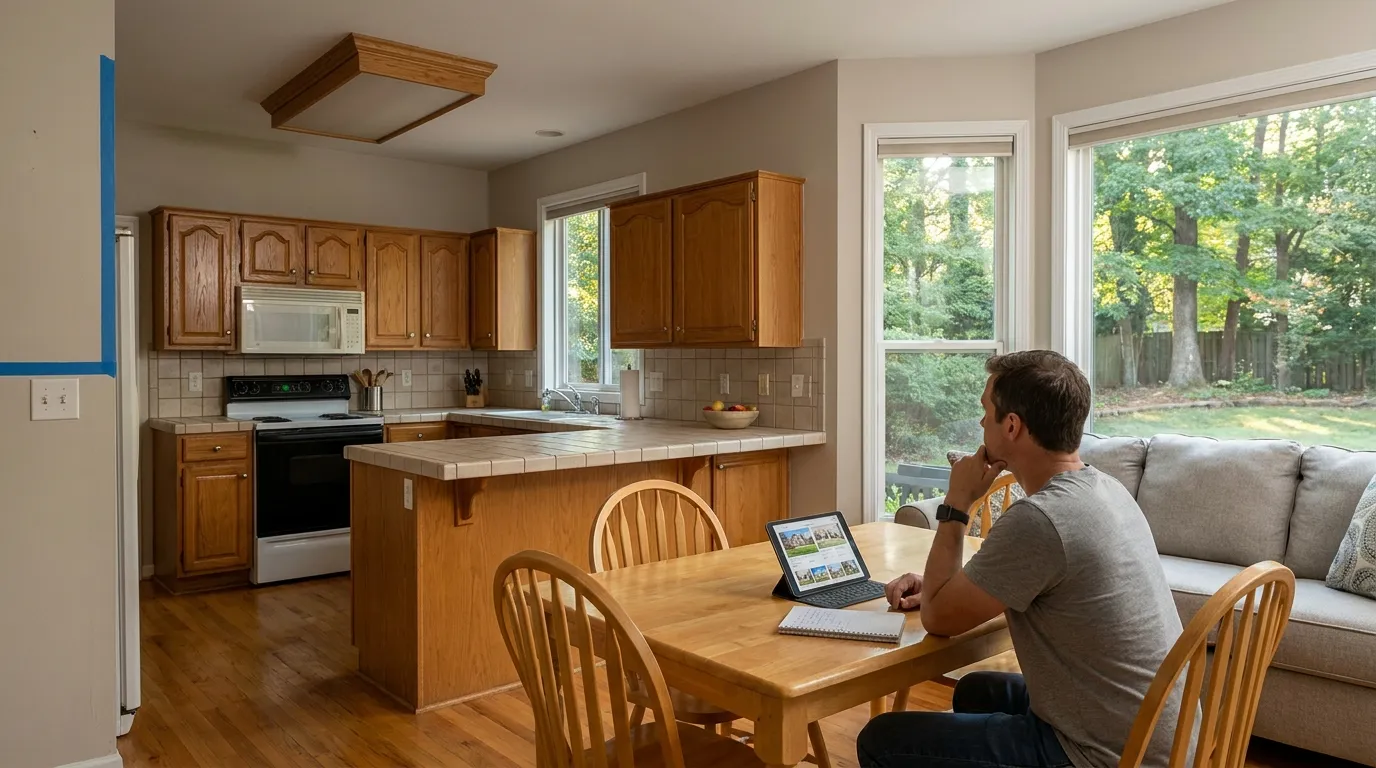
You own a solid home in Alpharetta, Milton, Johns Creek, or Roswell that is dated, only partly updated, or carrying repairs. The question is not whether buyers will notice. They often will. The decision is whether to price for the condition, renovate first, or do something in between.
Buyers rarely price that decision on renovation cost alone. They weigh time, disruption, risk, and the alternatives already on the market. A simple subtract-the-repairs formula can undersell the house or stall the listing.
What follows is a way to judge your home against the listings buyers will actually compare, see how different buyers think about unfinished work, and choose a preparation path—largely as-is, selective work, or a defined renovation—before you set a list price those buyers can take seriously.
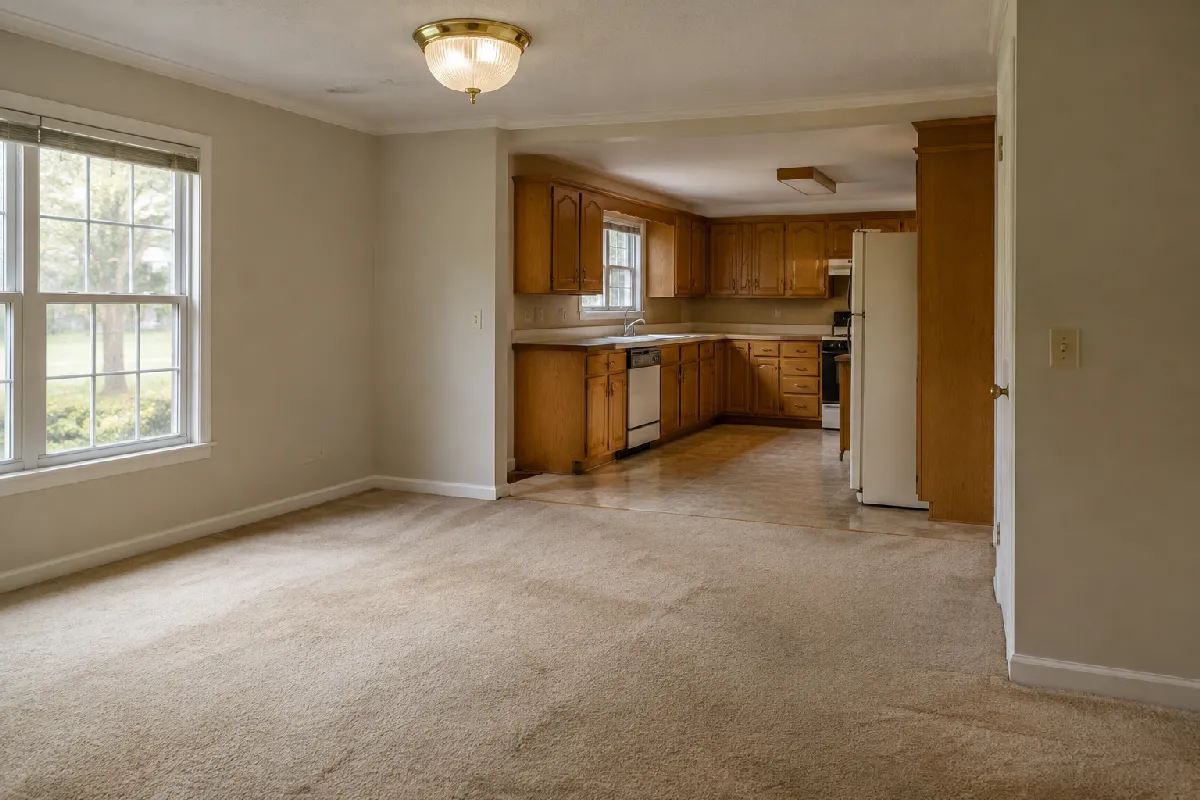
Replace the shortcut: it's not "updated value minus renovation cost"
Some sellers take an updated comparable, subtract an estimated renovation cost, and treat the result as the right price. That shortcut often fails for reasons that have little to do with the contractor's number.
Buyers are not buying an estimate. They are taking on planning, permits, coordination, design decisions, the risk of cost overruns, and the disruption of living through the work or moving twice. Many will price all of that into an offer, not only the hard costs.
Financing and cash on hand limit how much work a buyer can start after closing. A buyer using conventional financing may not have reserves for a major project right away. Renovation loan programs exist, but they add complexity and qualification hurdles that some buyers prefer to avoid. Cash and investor buyers have more room to take on work, and they usually expect the price to reflect that.
Uncertainty is priced in, sometimes beyond what is already visible. Buyers worry about hidden issues, scope that grows once work begins, and a project that becomes more complicated than it looked. In the other direction, a lot, layout, or location that is hard to recreate can keep the pricing gap smaller than raw cost, because the house offers something that cannot be added later.
The better question is practical: at what price is your home a credible choice against the real alternatives, for buyers willing and able to take on the work?
What "needs updating" really means: three condition buckets
Not every dated home presents the same problem. The category your property falls into should shape both preparation and price.
Cosmetic aging affects appeal, not livability. Finishes, fixtures, paint, flooring, lighting, and curb appeal sit here. The house functions. Taste is the issue. Buyers can often picture updating over time if the price reflects the condition and the fundamentals are sound.
Functional or deferred maintenance affects confidence and risk. Roof age or condition, HVAC concerns, plumbing or electrical issues, moisture or drainage clues, aging windows, failing appliances, and safety items belong in this group. These conditions can affect inspection outcomes, insurance, and sometimes financing. Buyers become more cautious, and a lender or insurer may require repairs before closing.
Major or uncertain work can narrow the buyer pool. Structural questions, significant water damage, foundation concerns, layout changes that require moving walls, or conditions that complicate conventional financing reduce the number of capable buyers and make price more sensitive to risk and timeline.
A dated but well-maintained home is a different pricing problem from a home with meaningful deferred maintenance or unknowns. The first competes for buyers who want a lower entry cost and are willing to update gradually. The second competes for buyers with renovation experience, contractor relationships, or an investor's approach—often a smaller, more price-sensitive group.
How buyers price time, uncertainty, and disruption
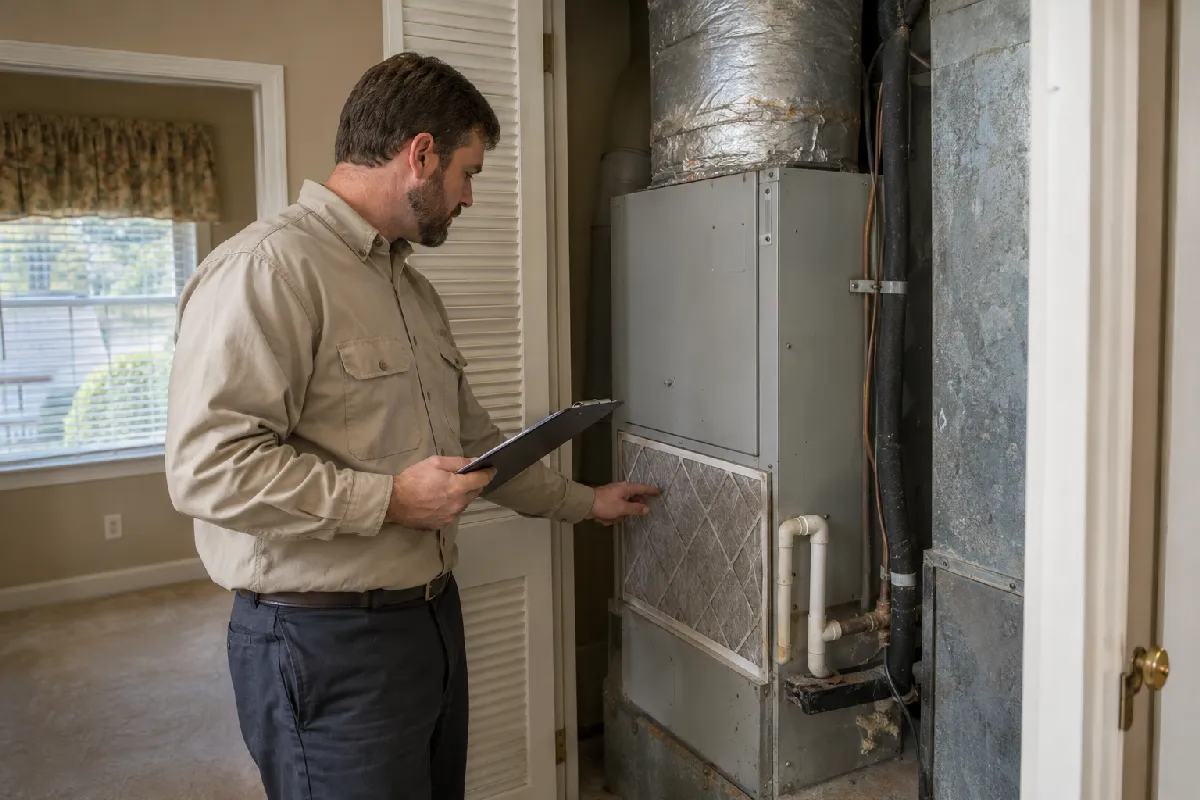
Buyers considering a home that needs work usually weigh more than direct cost:
- Time to plan, permit, and complete the work, and whether they will live through it or move twice
- Uncertainty and the chance of cost overruns once walls are opened
- Design decisions, and the risk of living with a result someone else controlled
- What they give up by passing on an updated or newer home they could use immediately
The same scope does not look the same to every buyer. A handy owner-occupant may price mostly the direct cost and a manageable amount of hassle. A busy household may add a wider margin for disruption and prefer a finished house they can settle into without coordinating contractors. An investor will usually start from a target return and then account for carrying time, resale friction, and project risk.
The gap between your home and updated alternatives can flex with scope, risk, and the buyer's capacity. It is not a fixed discount.
Competition sets the ceiling: judge condition against real alternatives
Your home does not compete with every listing in the area. It competes with the alternatives that appeal to the same buyer: updated resales nearby, newer construction, other dated but livable homes, stronger lots or floor plans, and listings already offering credits or concessions.
Condition often matters less when the house has something difficult to recreate. A private lot, a cul-de-sac setting, strong natural light, a primary bedroom on the main level, a usable yard, a three-car garage, or flexible bonus space can outweigh dated finishes. Buyers who want those features may accept older materials rather than compromise on what cannot be changed.
Condition often matters more when the site is ordinary, the layout is choppy, light is limited, and nearby renovated or newer homes already solve those problems while offering current finishes. In that case, the house may need sharper pricing to compete.
Property characteristics can outweigh finish level. A workable plan on a strong site can still compete if finishes lag. A dated home on a difficult site, near stronger updated options, may need more aggressive pricing to draw serious interest.

Choose your path: sell largely as-is, make selective repairs, or define a renovation
Path 1: Sell largely as-is when it fits
Selling as-is makes sense when the work is extensive or uncertain, you will not manage construction, the fundamentals—lot, layout, setting—are the reason someone would buy, or a partial remodel still would not match renovated competition.
Focus on making the home clean, safe, and clearly presented. Disclose known material conditions accurately, and price for the buyers who will actually take on the work.
Two missteps are worth avoiding. Treating "as-is" as a pricing strategy rather than a statement about condition. And ignoring basic safety or maintenance items that unsettle buyers and create friction in negotiation or under contract.
Path 2: Selective preparation to reduce uncertainty
Selective preparation fits when structure and systems are sound, the finishes are dated, and specific repairs improve confidence more than they add style.
Work that can reduce uncertainty includes addressing moisture or drainage clues, fixing obvious safety issues, servicing the HVAC, repairing known minor leaks, painting where it clarifies condition rather than decorates, brightening lighting, deep cleaning, and tidying the landscaping.
The common waste is a series of small style projects that still lose to renovated homes, or spending on taste-specific finishes a buyer is likely to replace.
Path 3: A defined renovation before listing
A renovation before listing can make sense when the location and layout can support the finished resale you would need, the scope is clear and executable, and you have time, reserves, and the appetite for project risk.
Be realistic about carrying time, change orders, and coordination. The finished house needs to compete with renovated inventory, not merely look improved. Over-improving for the setting is a frequent loss. So is finishing visible rooms while leaving a clear objection—an aging roof or failing HVAC—unsolved.
Pricing an outdated home credibly
Anchor pricing to the buyer pool that will act
Identify who is likely to buy, given the condition and the scope of work. An owner-occupant updating over time, a renovation-minded buyer, and—if the work is extensive—an investor or contractor do not share the same price threshold or the same tolerance for risk.
Price so the house is a real choice. Early interest often comes from buyers already watching the market. If the price ignores the work, many will not visit. Listing high and waiting for a negotiation can spend those early weeks and shift leverage toward the buyer.
Use comps with judgment, not autopilot
Compare your home with updated sales, similar dated sales, and the active and pending listings a buyer can choose today. Adjust for lot quality, layout, natural light, bedroom and bath count, and usable space—not only square footage and condition.
Look at where the house may win, where it may lose, and what a motivated buyer might pick instead. That comparison usually produces a clearer price than a mechanical adjustment.
Credits and concessions help—but can't replace a credible list price
A targeted repair credit or a rate-related concession can solve a cash or payment hurdle for a specific buyer. Those tools are useful once you have a serious offer.
They rarely rescue an overpriced listing. Buyers may skip it entirely. Concessions are secondary to getting the launch price right.
A dated but cared-for home versus true deferred maintenance
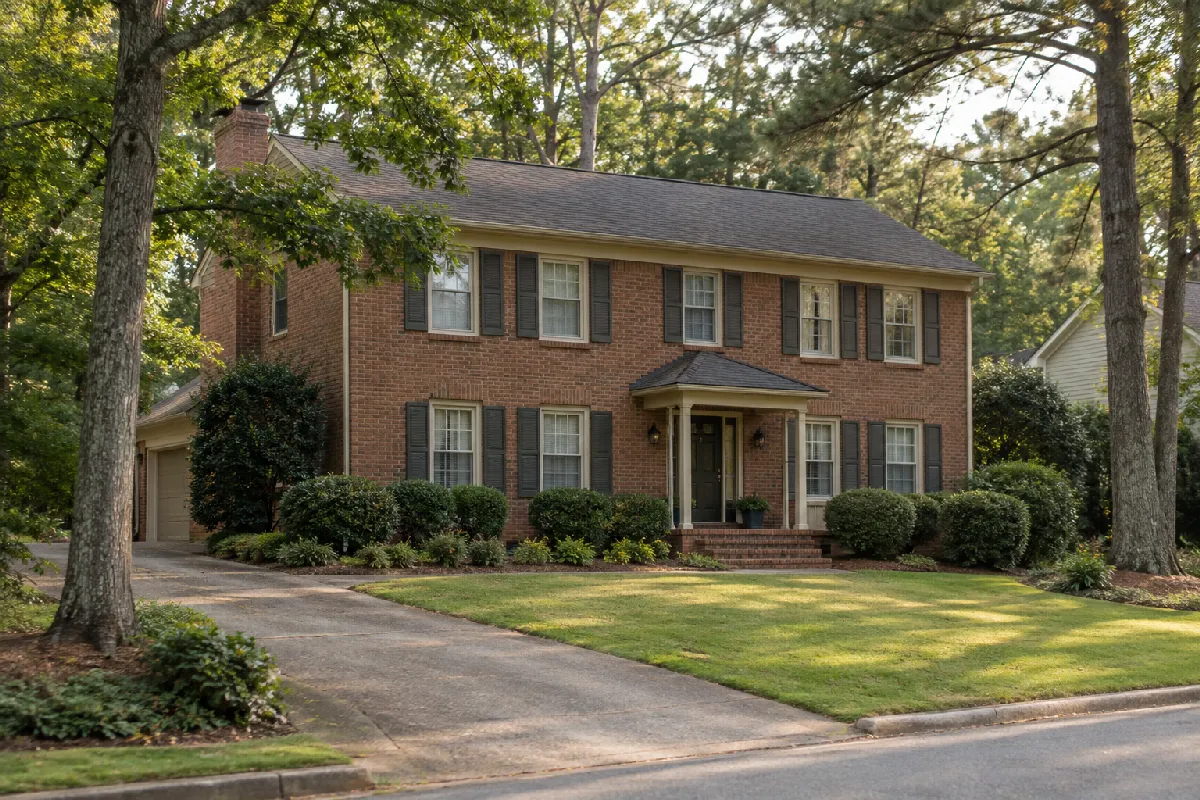
A dated but maintained home can show its care: records of roof and HVAC service, recent repairs, clear gutters and drains, a clean crawl space or basement, systems that function, and a tidy exterior. The message is preference, not neglect.
Deferred or layered issues—water evidence, patchwork fixes, an aging roof alongside older systems—can prompt a different question: what else is wrong? Stacked concerns can narrow financing and insurance options and shrink the buyer pool.
If the situation is complicated—an estate, difficult occupancy, limited access—plan for documentation and a realistic buyer type. A price adjustment alone is rarely enough.
Common pricing and preparation mistakes to avoid
The expensive version of patience is listing high and planning to negotiate later. Once a house sits, buyers often read that time as a reason to press, and the seller's position is weaker than it was in the first weeks.
Mixed messages create distrust. "As-is" language paired with premium pricing, or a partial project that suggests more is wrong, leaves buyers unsure what they are being asked to accept.
Spending where buyers may not pay—taste-specific finishes or materials that do not match the likely buyer—rarely improves the competitive position.
Hiding or softening known issues raises the risk of a failed contract. If inspection reveals what the listing minimized, trust is already damaged.
Pre-list decision checklist for North Fulton sellers
Before listing, work through these questions:
- Condition: Which bucket applies—cosmetic, functional or deferred maintenance, or major and uncertain work?
- Repair urgency: Are there safety, moisture, or system items to address now for confidence?
- Competitive set: Which updated, newer, and dated alternatives will your buyer compare?
- Buyer pool: Who is most likely to act, given the scope of work?
- Irreplaceable strengths: Does the lot, setting, light, layout, school access, or another feature offer something renovation cannot create?
- Preparation scope: What selective work reduces uncertainty or removes a clear objection?
- Timing and resources: Do you have the appetite for a defined renovation, or is as-is or selective preparation the better fit?
- Pricing strategy: Is the launch price credible to that buyer pool on day one?
- Contingencies and concessions: Which targeted credits could help a serious buyer, after the price is right?

Pricing a North Fulton home that needs updating is a judgment about the whole opportunity—condition, competition, buyer capacity, and what the property uniquely offers. It is not a simple subtraction of renovation cost.
Decide first how the home should meet the market: as-is, selective preparation, or a defined renovation. Then set a price that is believable to the buyers most likely to purchase it. That order tends to produce a cleaner launch and fewer surprises after you are under contract.
If you are weighing whether to sell as-is, prepare selectively, or take on a project before listing, it helps to look at condition, competition, and price together. Resideum represents sellers across North Fulton and can help you decide which path may best fit the result you want. For complicated property or condition situations, planning the buyer strategy and the documentation matters as much as the price. Learn more about our seller representation.