
When an established home in Alpharetta, Milton, Johns Creek, or Roswell is competing with newer construction for your attention, the year built tends to dominate the comparison. Treat it as a starting clue, not a verdict.
What will shape ownership is how the house was built, maintained, repaired, and altered; how water moves across the property; the condition of its major systems; whether the layout fits the way you live; and what the house is likely to ask of you after closing.
An older home can be an excellent purchase. A newer home can have problems. The goal is not to decide whether “old” or “new” is better. It is to understand the specific house well enough to decide whether its condition, location, potential, and likely ownership costs fit you.
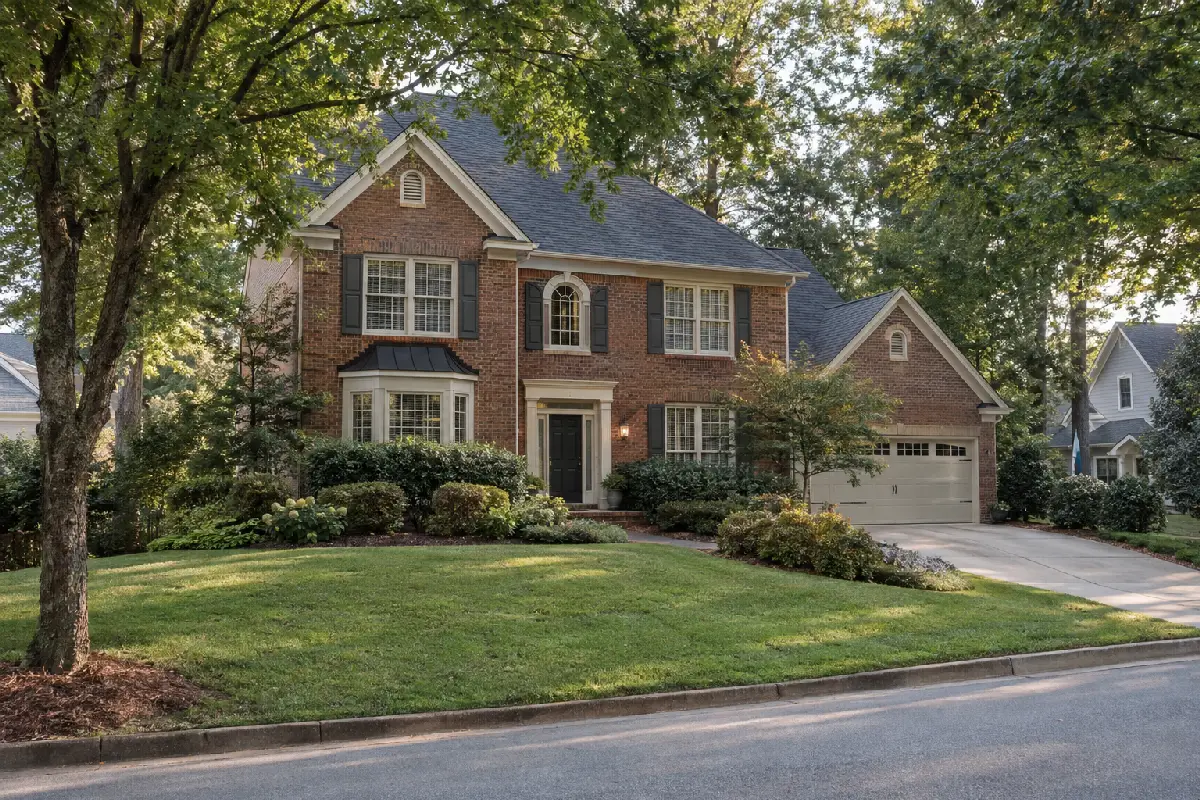
Start with the right question: what are you actually buying?
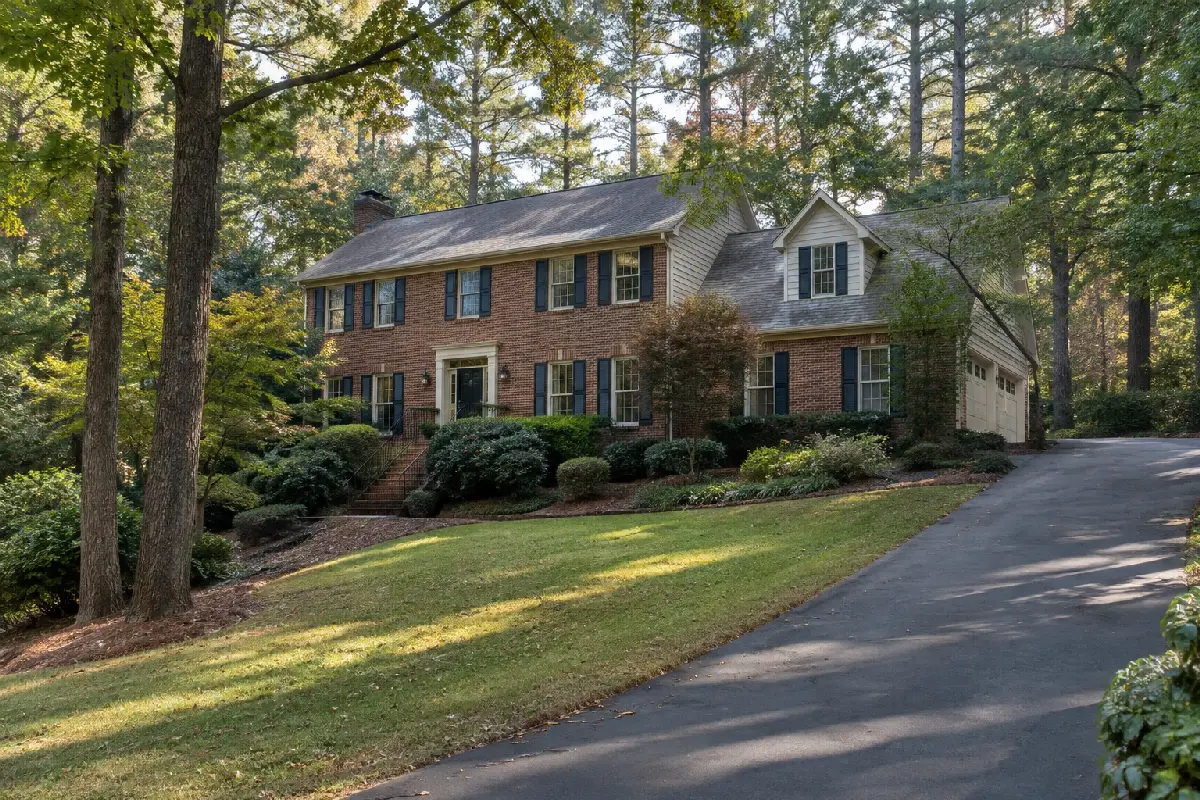
In North Fulton, “older” can describe very different properties: a mid-century ranch, a 1970s or 1980s home near an established town center, or a 1990s subdivision house with much of its original equipment and finishes still in place.
Those houses do not carry the same risks simply because none of them is new construction.
Before you get emotionally committed, look for four things:
- What appears to have been replaced or updated, and what still looks original?
- Did renovations address underlying systems, or mainly finishes?
- Are there signs of recurring water, movement, or repairs in the same location?
- Does the existing floor plan work for you, or does buying the house require a major renovation to make it functional?
Those observations do not replace inspections. They help determine whether the house deserves the next level of investigation.
Do the renovations go deeper than the finishes?
A remodeled kitchen, new flooring, fresh paint, and updated bathrooms can make an older home feel finished. They do not tell you the age or condition of the roof, HVAC, plumbing, electrical service, drainage, structure, windows, insulation, or waterproofing.
Sometimes cosmetic work follows years of thoughtful maintenance and system upgrades. Sometimes it sits on top of deferred maintenance.
Ask what was actually done:
- Which systems were replaced or altered?
- Who performed the work?
- When was it completed?
- Were permits required and obtained?
- Are invoices, warranties, plans, or inspection records available?
Then look at transitions between old and new work. Additions, finished basements, changed rooflines, relocated kitchens and baths, and removed walls deserve more attention than paint and countertops.
The question is not whether everything looks new. It is whether the changes appear to work as part of the original house.
Evaluate the house as a group of systems
Décor is among the easiest things to change. Structure, water management, mechanical systems, electrical capacity, plumbing, and the building envelope are where ownership costs can become significant.
You are not trying to perform your own inspection during a showing. You are identifying questions that deserve professional evaluation.
Structure
Notice visible cracking, uneven floors, doors that do not operate normally, alterations to framing that are visible without disturbing anything, and additions or removed walls that raise questions about how the loads were handled.
Do not try to diagnose structural movement from a showing. A crack can be minor or meaningful depending on its location, pattern, cause, and whether movement is continuing.
If a home inspector identifies a structural concern—or if your renovation plan involves removing walls, changing openings, modifying rooflines, or adding substantial loads—that is the time to involve an appropriately qualified structural professional.
Roof and exterior
Look beyond the apparent age of the shingles.
Pay attention to:
- Visible deterioration or missing materials.
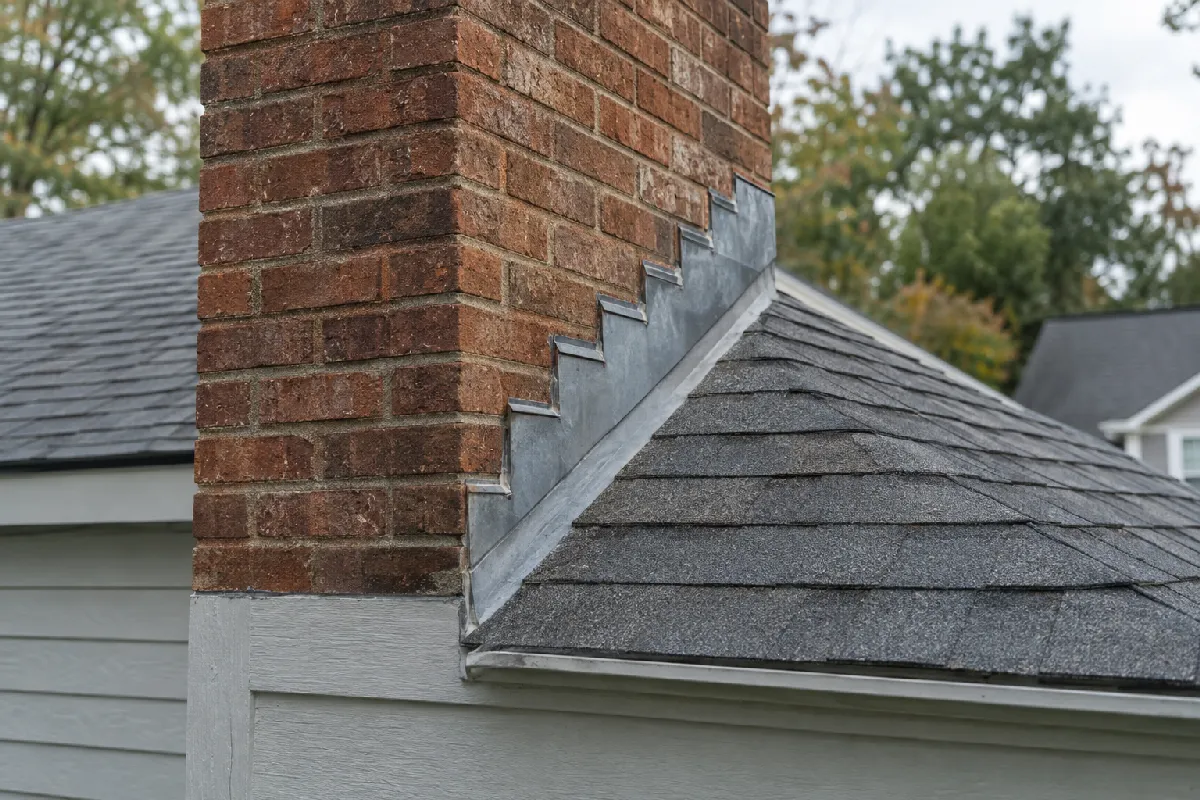
- Flashing around chimneys and wall intersections.
- Roof valleys.
- Gutters and where downspouts discharge.
- Siding and trim near roof or deck intersections.
- Transitions where an addition meets the original house.
- Water staining visible from accessible interior areas.
A roof that is simply older is a future capital item. A roof allowing active water intrusion is a present problem. Those should not be treated the same way.
HVAC
Ask for equipment age and service history, but also pay attention to how the house actually feels.
Walk spaces that may have been added or finished later—bonus rooms, enclosed porches, additions, and basements. Notice substantial temperature differences or areas that appear poorly served by the existing system.
Do not assume every room should have its own supply and return grille; HVAC designs vary. The useful question is whether conditioned spaces are being served adequately and whether later additions were incorporated into the heating and cooling plan.
If comfort, capacity, installation, or equipment condition is questionable, have an HVAC professional evaluate it rather than estimating the remedy from the equipment's age.
Plumbing
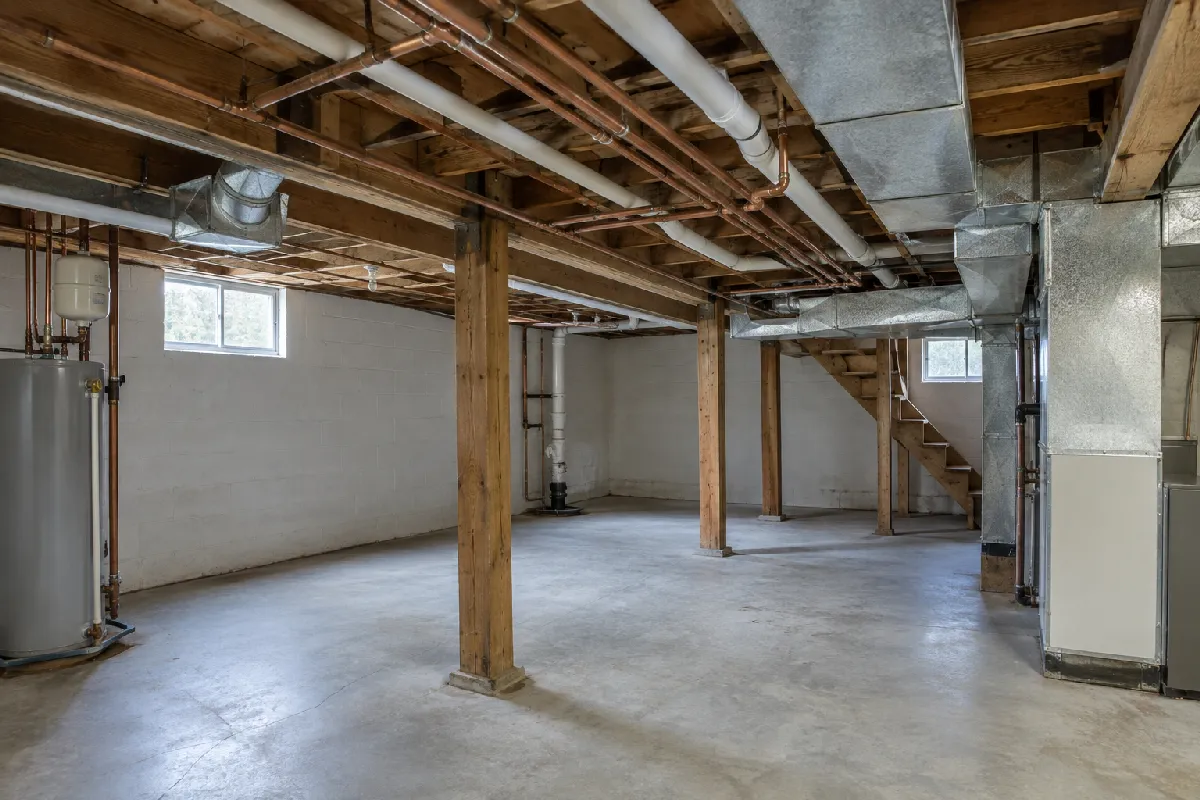
Notice visible supply and drain materials in accessible areas, signs of corrosion, staining below fixtures, prior repair sections, water pressure concerns, and the condition and apparent age of the water heater.
Repeated repairs in the same area can be more meaningful than one isolated repair.
A remodeled kitchen or bath also does not mean the plumbing behind the finishes was replaced. If the inspection raises questions—or substantial remodeling is part of your plan—bring in a plumber before assuming the visible renovation tells the whole story.
Electrical
If the electrical panel is normally accessible, note whether it appears orderly and labeled and whether there are obvious signs of alteration or damage. Do not remove covers or touch exposed electrical components during a showing.
Exposed wiring, scorch marks, damaged components, recurring tripped breakers, or questions about prior electrical alterations should be evaluated by a qualified electrician.
If your plans include an EV charger, major kitchen renovation, additional HVAC equipment, finished basement, workshop, pool, or other substantial new load, determine whether the existing electrical service can support the plan before treating that renovation budget as complete.
Windows, insulation, and the building envelope
Operate accessible windows where permitted. Look for failed seals, damaged frames, water staining, and windows that no longer function properly.
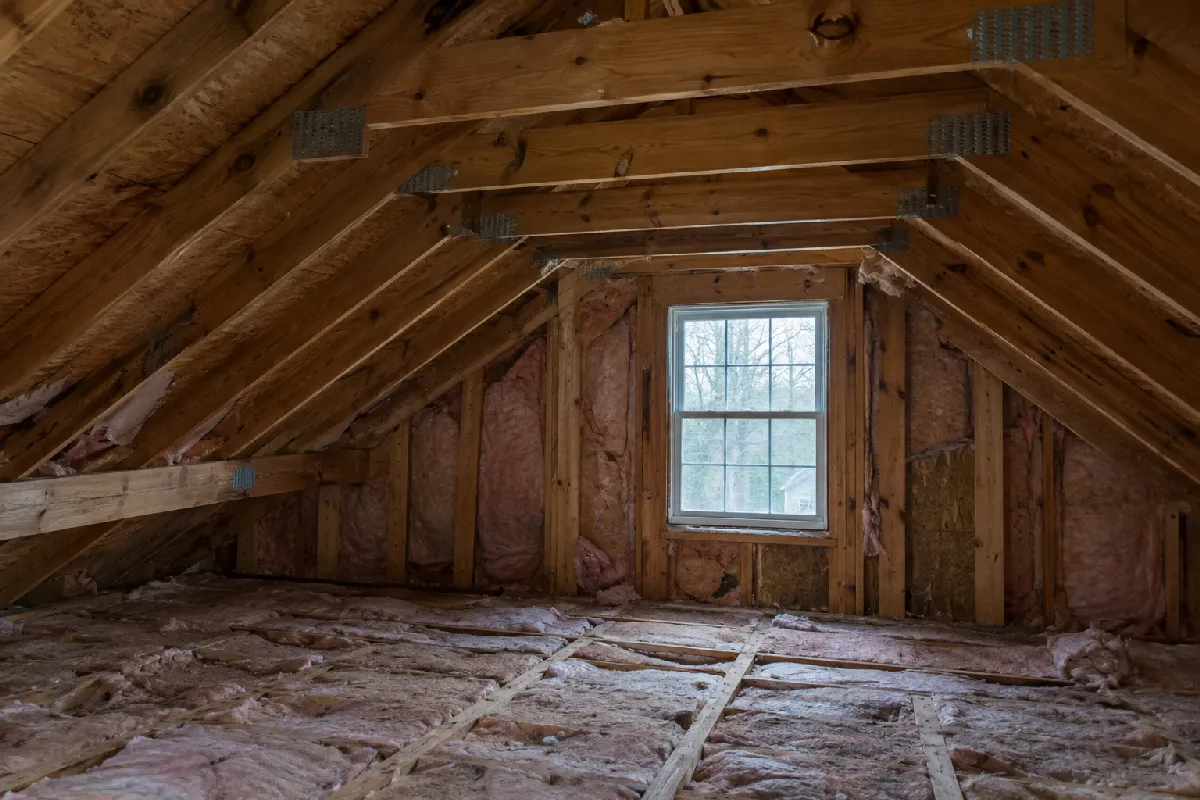
In an accessible attic, an inspector can evaluate insulation, ventilation, air leakage indicators, roof sheathing, and other conditions that affect comfort and efficiency.
Do not assume uncomfortable rooms mean the windows alone need replacement. Air leakage, insulation, ductwork, solar exposure, equipment sizing, and other factors can contribute.
Follow the water before you fall in love with the finishes
Water is one of the most important themes in evaluating an established home.
It can enter through the roof, flashing, walls, windows, foundation, plumbing, or drainage system. It can also move across the lot in ways that are difficult to understand on a dry afternoon.
Inside, pay attention to signs such as:
- Water staining.
- Paint that looks noticeably newer in an isolated area.
- Musty odors.
- Efflorescence or staining on masonry or foundation walls.
- Visible deterioration around windows or exterior doors.
- Evidence of repeated patching.
- Standing water or persistent moisture in a crawl space.
None of those observations automatically establishes an active problem. They establish a question.
Outside, read the site:
- Does the grade generally carry water away from the house?
- Where do downspouts discharge?
- How does the driveway move runoff?
- Where does water from uphill property go?
- Are there retaining walls?
- Are drainage systems visible?
- Does the topography make additions, pools, or contractor access more difficult?
Mature trees, rolling terrain, established landscaping, retaining walls, and wooded lots are part of the appeal of many North Fulton neighborhoods. They can also affect drainage, maintenance, renovation access, and future projects.
The important questions are: Is moisture active? What caused it? Was the cause corrected? And is there documentation showing what was actually done?
Should you test an older North Fulton home for radon?
Radon is worth considering in any home purchase, and the age of the house does not tell you whether a problem exists.
The EPA's Home Buyer's and Seller's Guide to Radon recommends that buyers know the indoor radon level of a home they are considering. EPA also notes that radon can occur in old or new homes, with or without basements.
Georgia provides similar guidance. The Georgia Consumer Protection Division's radon information states that radon cannot be seen, smelled, or tasted and that testing is the only way to know the level in a particular home.
If the seller has an existing test, review when and where it was performed and whether the home has changed since then. EPA specifically notes that substantial renovations, HVAC changes, or plans to occupy a lower level can justify retesting.
A neighbor's test is not a substitute for testing the house you are buying.
Ask for the home's maintenance and renovation history
A well-maintained older house often tells a story through its records.
Useful documentation can include:
- Roof installation and repair invoices.
- HVAC installation and service records.
- Water-heater records.
- Plumbing and electrical invoices.
- Drainage or waterproofing work.
- Foundation or structural reports.
- Termite treatment records or bonds.
- Renovation contracts.
- Plans, permits, and inspection sign-offs where applicable.
- Transferable warranties.
Read the records for patterns, not simply volume.
A documented repair that addressed a defined cause tells a different story from repeated work in the same location without a clear resolution.
Paperwork does not prove that every repair was perfect. But it can help you understand what happened, when it happened, and whether a recommendation was actually completed.
How should you handle permit questions?
Do not assume that a finished room, addition, deck, wall removal, basement conversion, electrical change, or plumbing alteration was permitted simply because the work looks professional.
Permit requirements depend on the work performed, when it was performed, and the jurisdiction governing the property.
For example, the City of Alpharetta publishes residential construction and permit resources, including building, electrical, and related permit information. Roswell likewise maintains residential building and renovation permit resources.
Milton, Johns Creek, and other jurisdictions administer their own processes as well.
If prior work matters to your purchase decision, determine which jurisdiction had authority when the work was performed and verify what records are available. Your inspector, contractor, agent, or attorney can help identify which questions deserve additional investigation.
Evaluate renovation potential as feasibility, not imagination
One of the biggest advantages of an established home can be the opportunity to improve it. One of the easiest mistakes is assuming that every improvement you can visualize is simple to build.
Separate the project into three levels.
Cosmetic potential
Examples include:
- Paint.
- Flooring.
- Lighting and fixtures.
- Cabinet refinishing or replacement.
- Countertops.
- Finish carpentry.
Functional potential
This can include storage improvements, better lighting, modest circulation changes, closet changes, or reworking spaces without major structural alteration.
Structural and systems potential
This includes projects such as:
- Removing or relocating walls.
- Relocating kitchens and bathrooms.
- Adding finished area.
- Changing the roofline.
- Building an addition.
- Substantially altering electrical, plumbing, or HVAC systems.
The budget and timeline can change dramatically as a project moves from cosmetic work into structure and systems.
Feasibility can depend on load-bearing walls, plumbing locations, electrical capacity, stairs, ceiling heights, roof geometry, foundation configuration, setbacks, easements, drainage, trees, retaining walls, and physical access to the work.
Before you make the renovation the reason to buy the property, ask a more useful question:
If the realistic version costs more, takes longer, or cannot be built exactly as imagined, do I still want this house?
For a deeper look at that decision, see Renovation & Property Potential.
Use the home inspection as a sorting tool
A general home inspection is not a simple pass-or-fail test.
Its value is helping you understand observable conditions at the time of inspection and identifying areas where additional evaluation may be warranted.
Attend the inspection when practical. Ask the inspector to show you significant findings and explain which items appear urgent, which need specialist evaluation, and which are normal maintenance or aging.
Then sort the findings:
- Safety or health concerns.
- Active water or moisture.
- Structural concerns.
- Failed or materially deficient systems.
- Deferred maintenance.
- Ordinary aging and wear.
- Optional improvements.
- Items requiring specialist evaluation.
Depending on the property and findings, additional professionals can include a roofer, HVAC technician, plumber, electrician, structural engineer, chimney professional, sewer specialist, radon tester, moisture or mold professional, arborist, or another qualified specialist.
The point is not to order every possible inspection on every house. It is to investigate the conditions that matter to this house and to your plans for it.
Do not treat every inspection item as equally important
An older house may generate a long inspection report simply because there is more history to document.
Length alone does not tell you whether the house is a poor purchase.
A worn door seal, an aging water heater, an active foundation leak, a failed HVAC system, and structural movement do not belong in the same category merely because they each occupy a line in the report.
Separate consequences:
- What needs prompt attention?
- What requires specialist evaluation before you are comfortable proceeding?
- What is normal maintenance?
- What is an expected future capital expense?
- What is simply something you would like to change?
That makes the inspection useful for decision-making rather than turning it into a scorecard.
Purchase price and ownership cost are different questions
After inspections and due diligence, put likely costs into separate categories.
Immediate or near-term needs
Examples might include active water intrusion, unsafe conditions, failed systems, structural repairs, or items that must be addressed for financing or insurance.
Planned ownership costs
These are items that may still function but are likely to require attention during your expected ownership: aging HVAC equipment, an older roof, exterior maintenance, water heater replacement, drainage improvements, or other significant systems.
Optional improvements
These are the things you want because they make the home work better for you: kitchen changes, flooring, baths, layout changes, outdoor living, or other renovations.
The purchase price is only one part of the economic comparison.
An established home can still be the better fit when it offers the street, lot, mature landscaping, school-area preference, location, architecture, or layout you want—and its likely ownership costs fit your budget.
A newer home may offer fewer immediate unknowns while providing a different lot, neighborhood pattern, floor plan, or ownership experience.
Neither choice is automatically better.
If new construction is the alternative, compare the two actual properties and the ownership path each one implies rather than relying on “new” versus “old” as the deciding factor.
The practical takeaway for North Fulton buyers
Once you have walked an established home, the year built is usually one of the least useful facts by itself.
What matters is the current condition of the structure and systems, how water behaves, what prior renovations actually included, what the documentation shows, how the site affects your plans, and whether the house can become what you need without requiring a project you did not intend to take on.
Use inspections and specialists to rank consequences. Do not treat every old component as a reason to walk away, and do not treat an active structural, moisture, electrical, or system problem as ordinary aging.
A good older home is not a home with nothing left to maintain. It is a home whose condition, future work, and tradeoffs you understand well enough to make the purchase deliberately.
If you want an experienced, construction-aware second look at a specific property, see Resideum Real Estate's Buyer Representation. If the bigger question is what the property can realistically become after closing, our Renovation & Property Potential work can help frame the possibilities before you commit. Contact Resideum Real Estate to discuss the property.