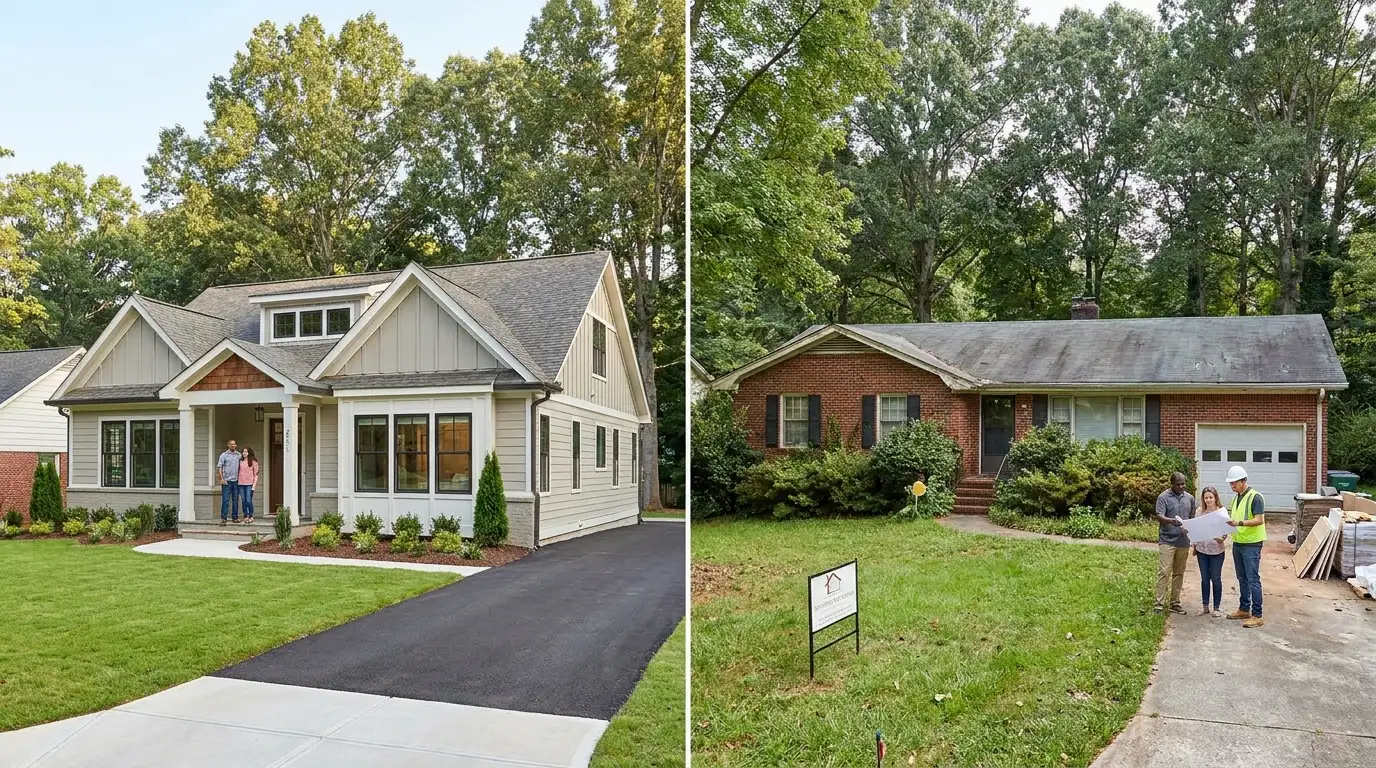
When you are choosing between homes in Alpharetta, Johns Creek, or Cumming, the listing usually forces a familiar split: pay more for a house that has been updated and is ready to occupy, or pay less for one that needs work and take the improvements on yourself. Price against sweat equity is the obvious comparison. It is rarely the complete one.
Purchase price is one variable. Total cost, the scope and uncertainty of the work, your timeline, how much disruption the household can absorb, and whether the location, lot, and floor plan justify the effort all change which house is actually the better buy. The sections below are a way to hold those pieces next to each other for North Fulton and nearby Cumming, without treating either path as automatically smarter.
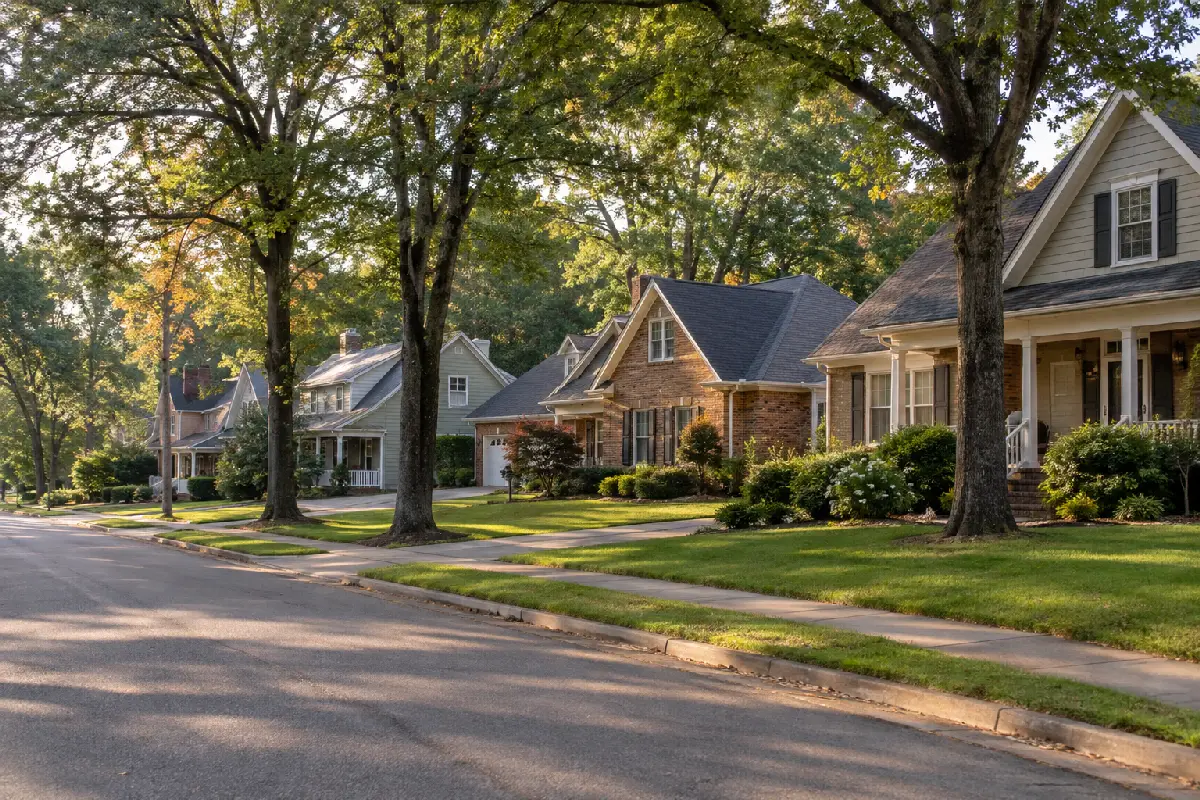
Start With What You're Actually Choosing: The Condition Spectrum
Not every fixer-upper is the same project, and not every updated home offers the same certainty. Condition runs from move-in-ready or recently renovated, through dated-but-functional houses where improvements are optional, to selective-update opportunities that need targeted finish work, and finally to properties that require significant work on systems, layout, or structure.
There is also a third path: new construction, when it is available where you want to live. That option brings its own tradeoffs around timing, customization, lot, and warranty coverage, and it is not simply a cleaner version of a renovation.
Listing language is not a scope of work. What the house actually needs, and what you intend to do with it, defines the category. An “investor special” may mean paint and flooring, or it may mean systems, structure, and a long period when the house is not fully usable. A “beautifully updated” listing can still sit on an aging roof or original plumbing behind new cabinets. Read the label as a description, then verify what was done, when it was done, and whether it was permitted.
Why List Price Alone Misleads: Compare Your All-In Exposure
To compare two homes fairly, set the same items beside each other for each property:
- Purchase price and cash required to close
- Immediate versus optional work—what must happen for safety, weatherproofing, or basic function, versus what is preference
- Design, permit, and professional costs if you need an architect, engineer, or specialized drawings, plus permit fees and required inspections
- Financing structure and carrying costs during the work—interest, insurance, and taxes while you own the home but cannot fully use it
- Temporary housing, storage, and move logistics if kitchens, baths, or whole floors will be offline
- A reserve for unknowns and for code-triggered changes that appear once walls are open
This is a planning comparison, not a bid. The point is to avoid two common misreads: treating a lower list price as better value by default, or treating a premium price as proof that the systems, permits, and workmanship are settled.
Scope Drives Difficulty: Cosmetic, Moderate, and Major Work
Cosmetic and Selective Updates
Paint, flooring, fixtures, and minor finish swaps are usually easier to define than structural work, and you can often phase them while living in the house. They are still disruptive. Floors and paint take rooms out of use, prior poor workmanship can surface under the finishes, and the materials you want may have long lead times. A cosmetic project is manageable. It is not free of decisions or delay.
Moderate Renovations
Kitchen or bath updates, some systems replacements, and limited reconfiguration usually involve more vendors, more selections, and often permits. Critical rooms may be offline for weeks rather than days. Hidden plumbing or electrical conditions are a real risk, and one uncovered issue can push the next phase. The difficulty is less the idea of the project than the number of dependencies.
Major Renovations
Structural changes, additions, comprehensive systems replacement, and drainage or foundation work often require permits and inspections, though the exact requirements depend on the jurisdiction and the scope. You may need to leave the house. Timelines lengthen, and uncertainty usually rises with them. Unpermitted prior work may have to be corrected before new work can proceed. Code upgrades can expand the job. Setbacks, slope, easements, or drainage can limit what the site will allow. Change orders are common once the building is opened.
A related check belongs here: “updated” does not mean the systems were replaced, that permits were pulled, or that the workmanship will hold. Ask for documentation, and have the remaining life of the roof, HVAC, plumbing, and electrical reviewed rather than inferred from the finishes.
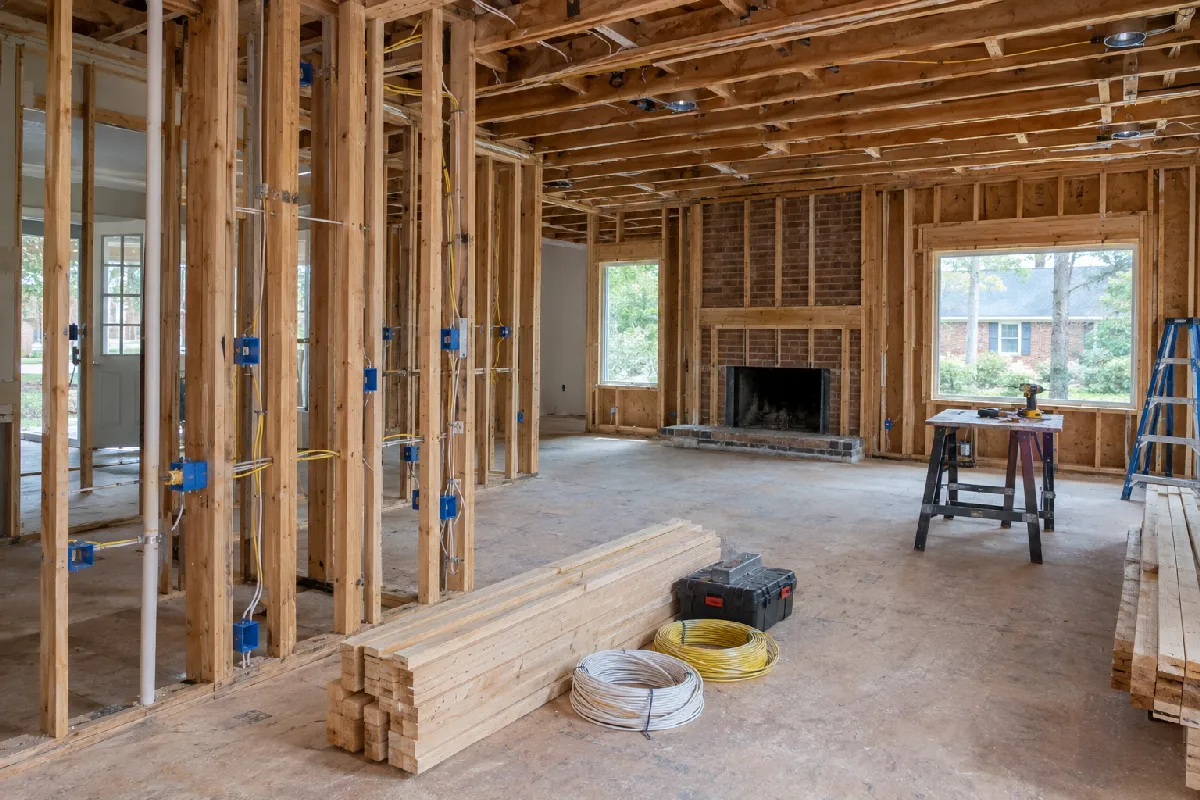
Reduce Uncertainty Before You Commit: A Practical Due-Diligence Sequence
Work From Records Outward
Start with seller disclosures, permit history, warranties, and receipts, and with the age of the roof, HVAC, and water heater. Note any prior mention of water intrusion, drainage, or structural concern. These records will not price the work. They do tell you which questions are already on the table.
Inspection and Targeted Specialists
A general home inspection is a standard early step. It is not a renovation budget. It identifies conditions and raises questions; it generally does not price the fixes. Depending on what it finds, bring in the relevant specialist: roofing, HVAC, electrical, plumbing, a structural engineer, a drainage or moisture consultant, or a septic inspector if the house is not on public sewer. Match the specialist to the risk, rather than collecting reports for their own sake.
Separate Required Work From Desired Work
Safety, systems, and weatherproofing are not the same list as the kitchen you would prefer. Write them separately. If the required list stays unclear, or keeps growing as you learn more, that is information about the house, not a reason to negotiate harder and hope. Revisit whether the property is still viable on your timeline and cash.
Confirm Permits With the Jurisdiction That Actually Governs the Address
Alpharetta, Johns Creek, Roswell, and Milton are in Fulton County. Cumming is in Forsyth County. Permitting is not one shared system across those places, and city and county authority can differ by address and by project type. Confirm which building department governs the specific property. Do not rely on listing language, or on the assumption that “minor” work will not need a permit. What counts as minor in one jurisdiction may not in another.
Use a Go/No-Go Point
If structure, drainage, or unpermitted prior work is still unresolved after a reasonable investigation, the lower-priced house may be the riskier buy. A property-potential review before and during the diligence period is a way to test feasibility and scope before you are committed to a plan the site or the code will not support.
Location, Lot, and Floor Plan Usually Outweigh Finishes
When a Dated House in a Stronger Location Can Make Sense
Buying the dated house can be rational when the structure and major systems appear fundamentally sound, the changes you want look feasible within the site and the code, the price reflects the work, and the household can carry the timeline and the risk. In that case you are paying for position and bones, then adding the finishes you actually want.
When the Discount Does Not Cover the Exposure
The same strategy weakens when the plan depends on an uncertain variance or approval, when setbacks, easements, slope, or drainage block the layout you need, or when the floor plan only works if you make structural moves you cannot yet confirm. It also weakens if you need to occupy immediately or if cash after closing is thin. A discount that looks large on the listing sheet may not cover carrying costs, temporary housing, or a scope that expands once the house is opened.
Floor Plan Is Harder to Change Than Finishes
Bedroom and bath count, circulation, and ceiling height are usually harder to revise later than countertops or paint. If the layout works and the lot supports what you need, cosmetic condition matters less. If the layout does not work, strong finishes will not repair it. For area context while you compare properties, see the North Fulton overview and the Alpharetta pages.

Time, Inconvenience, and Who Runs the Project Are Part of the Price
Occupancy and Daily Life
Can you live in the house during the work? Will the kitchen or the bathrooms be offline, and for how long? Where do meals, showers, and laundry happen in the meantime? Those are cost questions as well as comfort questions. Eating out, storage, or a short-term place to stay can erase part of the purchase-price gap.
Coordination and Decision Load
Someone has to choose finishes, schedule trades, and answer the question that appears when a wall is opened. If that person is you, the project consumes evenings and decisions, not only money. If the schedule slips—and renovation schedules often do—the consequence lands on a lease end date, a school calendar, or months of overlap carrying costs. Name who is running the job before you treat the lower price as savings.
Phasing as a Middle Path, Not a Shortcut
Doing the required work first and the preferred work later can spread cost and disruption. It does not replace diligence. You still need a thorough inspection, a written split between required and optional work, and a reserve for what the first phase uncovers. Phasing is a way to live with a defined scope. It is not a way to buy an undefined one.
Financing Shapes What Is Feasible—Questions for Your Lender
Ask the lender early. Do not assume that cash plus later equity, a standard mortgage, or a renovation loan will cover the plan until you understand how that product actually works.
Clarify whether the improvements can be financed, and how draws and appraisals work while the work is underway. Ask what the lender requires of the contractor, the documentation, and completion. Understand whether the house must appraise as-is or as-completed, and how that timing lines up with your construction schedule. A plan that depends on funds arriving after a milestone you cannot yet document is not yet a plan.
Renovation loans exist. Fannie Mae HomeStyle Renovation is one program that has been offered for this kind of financing, but program rules change, and your lender is the current source of terms and eligibility. Seller credits or a price reduction can help. Their effect still depends on the contract, lender rules, and the full scope of work. They do not replace a reserve.
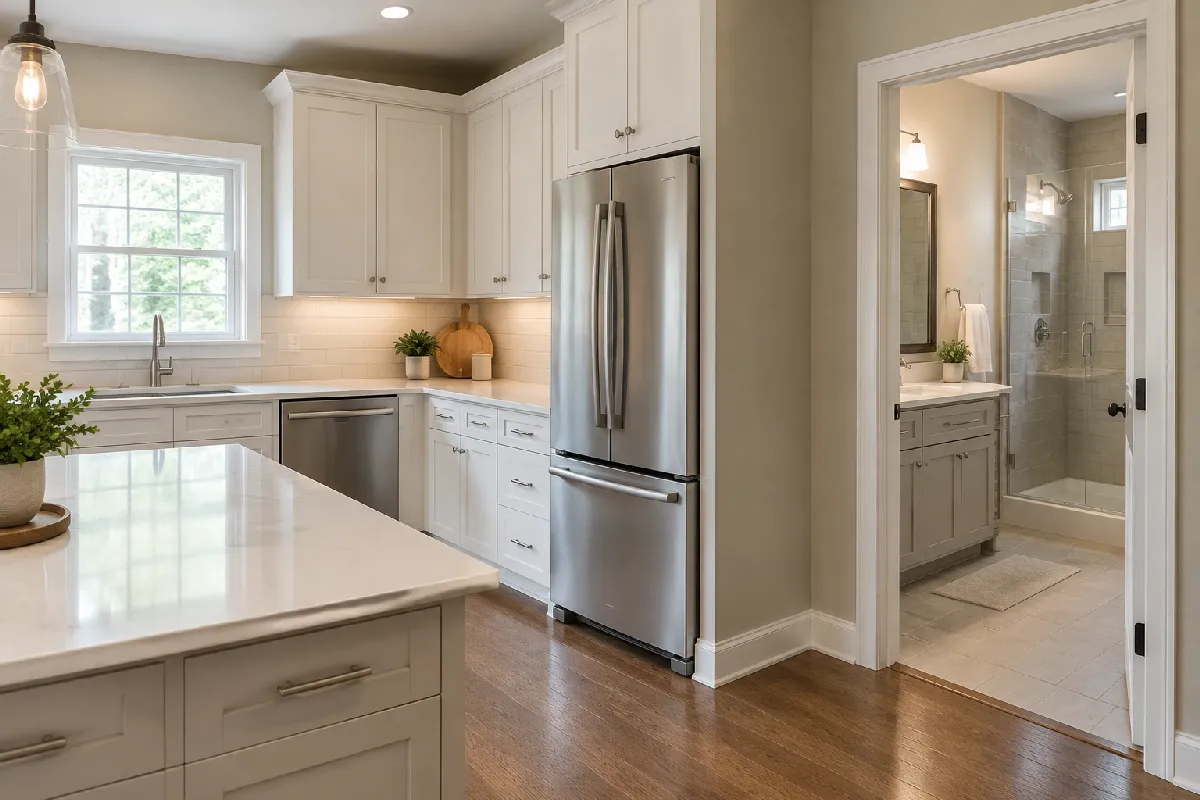
Resale Is a Constraint, Not a Payoff Assumption
A later buyer will usually weigh location, lot, function, workmanship, documentation, and the remaining life of major systems. Spending past what the house and the street can support, or designing only for your own taste, can narrow that buyer pool. A cosmetic refresh that leaves the roof, HVAC, plumbing, or electrical untouched may simply defer the problem—to the next owner, or back to you if your timeline changes.
Use the same lens on a house that is already updated. Look at the quality of the work, whether permits were pulled, and how much useful life remains in the roof, HVAC, plumbing, and electrical systems. The sounder test is whether you would still be satisfied with the house if costs run higher than expected or if you stay longer than you planned. Resale can inform the scope. It should not be the reason the numbers are made to work.
Quick Comparison Checklist: Updated Home vs. Fixer-Upper
- Condition certainty: How well defined is the work? Are moisture, structure, or unpermitted prior work still open questions?
- Scope category: Cosmetic, moderate, or major—and can this household actually manage that category?
- All-in exposure: Purchase price plus immediate work, professional and permit costs, carrying costs, temporary housing or storage, and a reserve.
- Cash left after closing: Is there a real buffer, or does the plan assume nothing unexpected?
- Timeline and disruption: What is the occupancy plan, what happens if the schedule slips, and who coordinates the work?
- Location, lot, and floor plan: Which strengths are hard to change later, and which site or code limits could block the plan?
- Maintenance still ahead: What remaining life is left in the roof, HVAC, plumbing, electrical, windows, and drainage?
- Financing fit: Has the lender confirmed that the intended structure, appraisal, and draw timing work?
- Resale fit: Does the plan avoid over-improvement, and will the workmanship and paperwork support a later sale?
- Household tolerance: Can you live with the risk, the dust, the decisions, and a delay?

The better buy is the one that balances total cost, a defined scope, a timeline you can live with, and the right location, lot, and layout. It is not automatically the lower list price, and it is not automatically the house with the newest finishes. Use the sequence above to narrow what you do not yet know, confirm feasibility with the jurisdiction that governs the address, and keep required work separate from optional work.
If location, lot, and floor plan are right and the scope is defined, a dated house can be the clearer choice. If time, disruption, or unresolved conditions dominate, paying more for a house whose condition you can actually verify is a rational trade, not a failure of nerve.
If you want a construction-aware second look at specific homes, our buyer representation approach is built around this kind of comparison.