
If you are preparing to sell an older home in Alpharetta, Milton, Johns Creek, Roswell, or nearby, separate price from closability. The decision that should shape the listing is which condition items to repair before you go to market, and which to document, disclose, and price around, so a financed buyer can obtain homeowners insurance a lender will accept in time to close.
Repair before listing when there is active leaking, unrepaired storm or fire damage, an obvious safety hazard, or a credible concern that acceptable coverage cannot be bound without the work—and you can finish that work with permits and a paper trail. An older but serviceable roof, or aging equipment that is not tied to active damage or a safety issue, can often stay if you disclose it clearly and give buyers the records an insurer and a lender are likely to ask for. Georgia publishes no universal underwriting checklist. One carrier's decline, exclusion, or repair demand is not a rule for the next carrier.
Financed buyers typically need evidence of acceptable homeowners insurance before closing. Roof condition, prior water losses, electrical and plumbing concerns, and the underwriting appetite of the particular carrier can all affect whether coverage binds cleanly, binds with conditions, or does not bind. Sort that before you publish a price. It is a poor problem to meet for the first time after you are under contract.
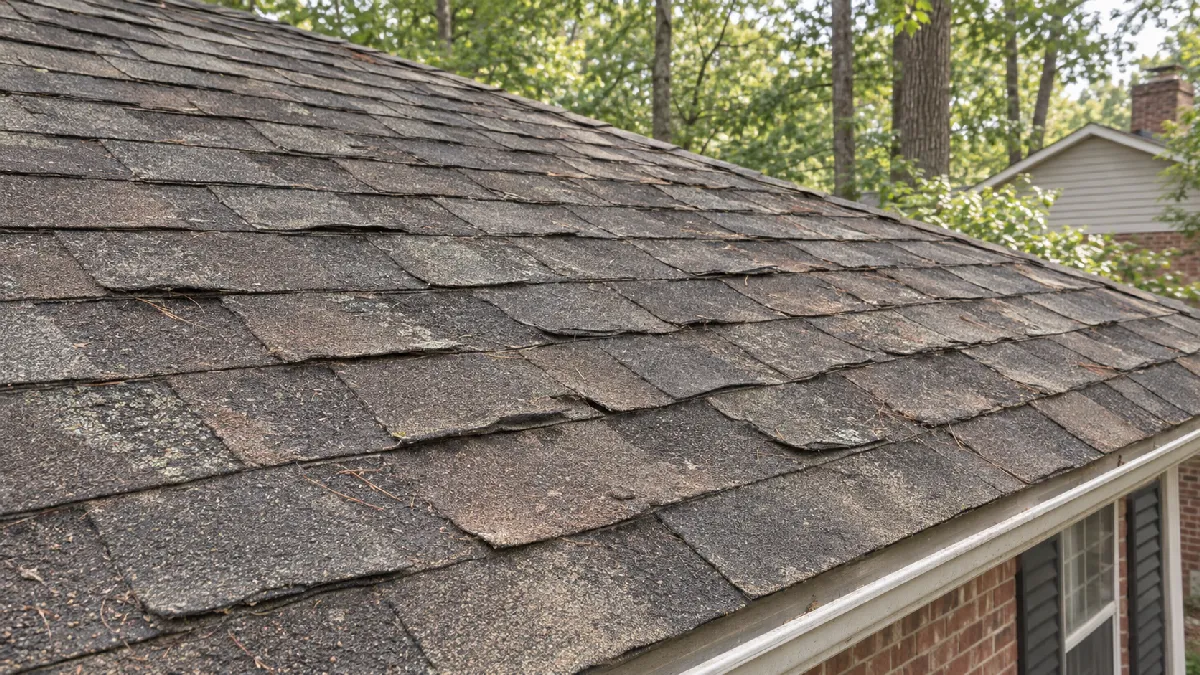
Where does insurance enter the sale, and why can it move the closing?
A lender typically requires proof of homeowners insurance before funding and may set coverage expectations that vary by loan. Buyers can often compare insurers rather than use a company the lender suggests. The policy still has to meet the lender's requirements. The policy you currently carry does not answer the question for the buyer. Carriers, forms, deductibles, and exclusions differ, which is one reason the Georgia Office of Commissioner of Insurance encourages consumers to shop and compare rather than treat one quote as the market.
Insurance review usually begins after the home is under contract. Some carriers ask for photos, repair invoices, or other documentation before they will bind, or shortly after they do. A buyer can finish a home inspection and still be waiting on an underwriter. If that review produces a repair demand, a financing deadline built without that step in mind may not hold.
Sellers often hear "we have insurance" when the buyer has only started the process. Keep the stages distinct:
- Quote: an estimate, not a commitment to insure.
- Binder: temporary proof of coverage, often subject to conditions.
- Issued policy: active coverage that may still be subject to a post-bind inspection.
- Post-bind inspection: can trigger repair requests or policy changes. Not every carrier inspects, and those that do are not using one shared standard.
A preliminary quote can still become a roof exclusion, a water-damage limitation, a required repair, or a decline. Any of those can delay closing. In some cases they jeopardize it, especially if the buyer cannot replace the coverage quickly with another carrier whose terms the lender will accept.
What on an older home tends to draw insurer attention?
Carrier standards differ, and age alone is a weak predictor. The conditions that more often affect whether coverage is available, and how long binding takes, are visible problems and loss history.
- Roof condition, including active leaking or unrepaired storm damage, not merely the year the shingles went on.
- Active water intrusion, recurring plumbing leaks, or a prior water-loss history.
- Electrical safety issues: deteriorated components, amateur or unsafe wiring, exposed conductors, or missing cover plates. Condition and documentation often matter more than the age of the system.
- Unrepaired storm or fire damage and other obvious safety hazards.
Older HVAC equipment and older appliances are often negotiation items between buyer and seller. They are not automatic insurance barriers unless they connect to a safety concern or to active damage. A dated furnace that is operating is a different problem from a supply line that has already leaked, or from a panel a licensed electrician considers unsafe.
Georgia does not publish a universal underwriting checklist. Thresholds for roof age, electrical panels, and plumbing materials vary by insurer. A decline from one company is information about that company, not a statement of Georgia law. As the Georgia Office of Commissioner of Insurance notes, coverage and options vary, and consumers should compare them. The first "no" is a reason to understand the objection, not a reason to assume every carrier will reach the same conclusion.
Do not "improve" electrical or plumbing conditions with informal repairs meant to photograph well. Amateur work is itself one of the items that can draw attention. If something looks unsafe, the useful step is a licensed contractor, a written finding, and a permit record when the repair requires one.

Should you replace an aging roof before listing?
Sometimes. The decision turns on active condition, whether you can document what remains, and whether the work can be finished before a buyer's carrier is on a closing clock. It does not turn on a single age cutoff.
Replacing or repairing first is the more prudent way to reduce transaction risk when:
- There are active leaks, widespread shingle failure, soft decking, or known unrepaired storm damage.
- You have a credible concern that a buyer may not be able to bind acceptable coverage without roof work, and you can complete and document that work properly before listing.
In those cases the roof is not a pricing nuance. It is a condition that can keep a lender from receiving evidence of insurance it will accept. Doing the work on your timeline, with invoices that name the property and describe what was replaced or repaired, is usually cleaner than negotiating the same repair after a binder comes back conditional.
An older but serviceable roof may be reasonable to document and price around when:
- It is aging but not leaking, targeted repairs can reasonably extend service life, or permit timing and contractor availability make a full replacement before listing impractical.
- You can provide recent repair invoices, inspection findings, or contractor estimates, and you disclose the condition clearly enough that the buyer and the buyer's insurer are not discovering it in a post-bind photo set.
Do not treat a number you heard from one neighbor, one agent, or one carrier as a roof-age rule. Carriers differ. There is no promise that replacement will raise the sale price or lower the buyer's premium. If you spend the money, spend it to manage sale risk: fewer conditional binders, fewer mid-contract repair demands, and a file that can answer what underwriters ask. A contractor's written distinction between active leaking or failed decking and ordinary wear is more useful than a general impression that the roof is old.
When can insurance delay closing or complicate the loan?
The mortgage is exposed when the buyer cannot show acceptable homeowners insurance by the lender's deadline, or when the coverage offered is not coverage the lender will take. Plan for four patterns:
- The buyer cannot produce evidence of acceptable homeowners insurance in time.
- A carrier adds exclusions or conditions—roof-related or water-related, for example—that the lender will not accept.
- A post-bind inspection requires repairs before the policy remains in force, and that repair work does not fit the closing calendar.
- Coverage amounts are often tied to rebuild cost, not the sale price, which can change the policy structure on an older or customized home even when the contract price itself is not in dispute.
Borrowers can often choose their own insurer rather than a lender-suggested company. Acceptable terms still depend on the loan and on what that carrier will write. Shopping can solve a decline from one company. Shopping cannot repair a condition that the carriers a buyer can actually use are treating the same way, and a quote is not yet a binder.
A seller credit for roof work or an electrical update does not stand in for a carrier that wants the repair finished, permitted, and available to photograph before it will bind. If the plan is to offer a credit instead of doing the work, be clear about which problem the credit solves. A credit can address price and remaining life. It does not, by itself, satisfy an underwriting demand or a lender condition.
Does a standard homeowners policy cover flood?
Generally, no. Standard homeowners policies do not cover flood. Flood coverage is a separate policy and may be obtained through the National Flood Insurance Program when eligibility rules are met, according to Georgia OCI home insurance guidance and the office's safety tips on flooding.
If a lender requires flood coverage because of property-specific factors, the buyer must secure that second policy. The ordinary delay is a simple mix-up: the homeowners quote arrives, the file is treated as complete, and a flood condition is still open. If this property has carried a flood-insurance requirement, or a buyer raises one, keep the two policies separate in every conversation about whether insurance is done. A long-standing homeowners renewal does not establish that flood is included, and it does not establish what the next owner will be offered.

What should you gather before listing, and how do you decide what to fix?
A pre-listing review will not tell you the premium a future buyer will pay. It will tell you whether you are about to market a house whose insurability depends on documents you do not have. For an older home in North Fulton, build the file first, then walk the conditions a carrier or inspector is likely to photograph.
Gather what you can support:
- Roof age, if you know it, along with repair invoices, permits, and warranties.
- Records of electrical or plumbing updates, including any city or county permits.
- Documentation of prior water damage and of the professional repairs that followed.
- Insurance claim history you can state accurately. If you cannot document a claim, do not invent a clean history and do not guess at dates or amounts in writing.
Then walk the items that most often create friction:
- Active leaks, ceiling staining, soft spots, missing shingles, or tarped areas.
- Signs of ongoing plumbing leaks or corrosion, and any recent plumber's report.
- Apparent electrical safety issues, including exposed wiring, missing cover plates, or a visibly deteriorated panel. Leave cosmetic do-it-yourself corrections alone. A replaced cover plate is not a licensed evaluation of the equipment behind it.
A conversation with a licensed insurance professional can give you a non-binding sense of which features are likely to draw underwriting attention. Treat that feedback as directional. Another carrier may weigh the same roof or the same loss history differently, and no one can commit the buyer's future insurer to today's impression.
Decide item by item. A whole-house instinct to renovate, or to disclose everything and hope, is less useful than four questions:
- Is it a safety issue or active damage?
- Is it likely to become a coverage or financing obstacle, rather than a preference a buyer can price?
- Can permitted work and documentation be completed before listing?
- Will the repair likely reduce transaction risk by more than it costs?
A yes on the first question usually means repair, or at least a licensed contractor's written plan, before financed buyers are relying on your closing timeline. A yes on the second means the item can threaten the loan, so either complete the work or assemble a disclosure file an underwriter can read without discovering the issue in a late photo. If the work cannot be permitted and finished before you need to list, incomplete work is a weak substitute for a clear disclosure. Do not describe a patch or an unfinished project as resolved.
The fourth question is a judgment, not a payback formula. Nothing in a pre-list repair promises that the cost will return in price. The comparison that matters is transaction risk: a sale that can reach a lender's insurance requirement, versus a sale that depends on a carrier exception you do not control. For property-specific advice, consult licensed insurance, lending, inspection, and contracting professionals. This filter is a way to organize the decision. It is not legal, insurance, or financial advice, and an early review does not guarantee a premium, a coverage form, or a closing.
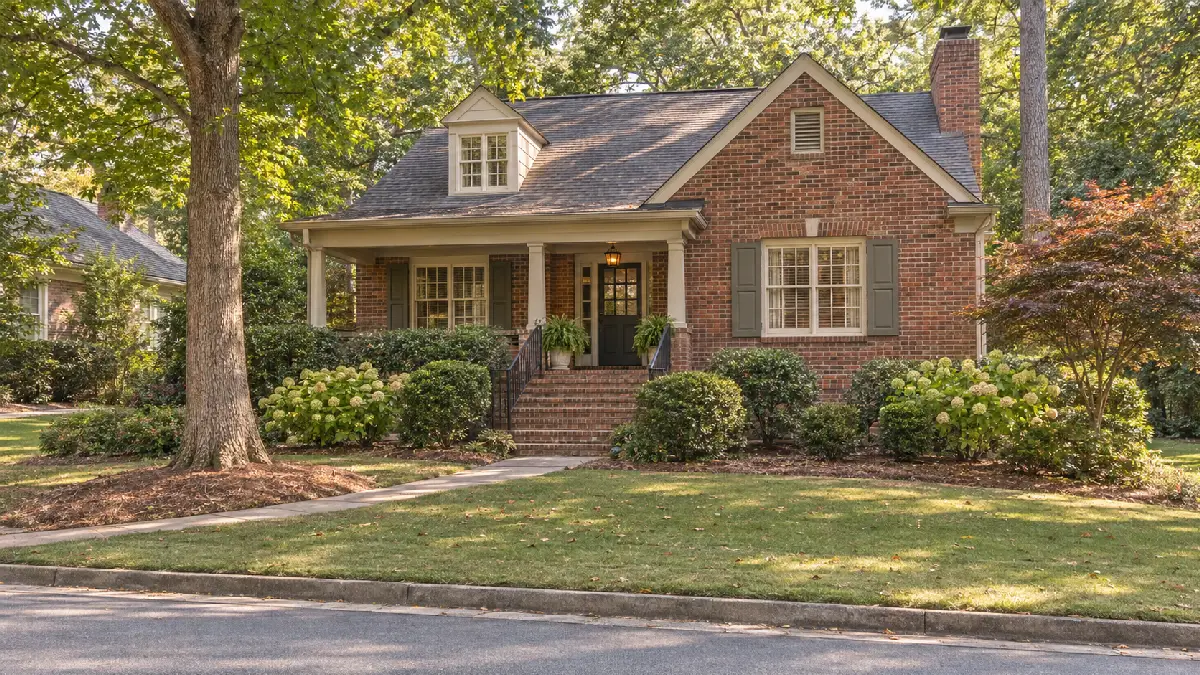
If you do not repair, how do you disclose and price around the condition?
Leaving a serviceable roof or an older system in place is a reasonable listing choice when you can document it. The same choice derails financing when the buyer, the carrier, or the lender meets the issue late and without a file.
Provide recent contractor evaluations, photographs, estimates, and permits for prior work with the disclosure, not after a decline. Describe known leaks, prior water intrusion, and unrepaired damage in plain language. Avoid a summary that says a problem was addressed when the invoice shows a temporary patch. Buyers and underwriters can read the paperwork. A mismatch between your description and the invoices is harder to repair than a clear statement of remaining life.
A closing credit can be a better alternative than rushed, incomplete work before closing. Understand the limit. A credit changes the money between buyer and seller. It does not require a carrier to bind, and it does not require a lender to accept an exclusion or a repair condition. Use a credit when the issue is price and remaining useful life. Do not rely on a credit to cure active damage or a safety defect a carrier has already said must be repaired.
Keep utilities on, and keep attics, crawl spaces, panels, and mechanical areas safely accessible for the buyer's inspector, for insurer photos, and for any recheck. Lack of access consumes the same calendar days as an underwriting question, and it gives a cautious carrier less reason to make an exception.
A few assumptions are worth dropping before you accept a contract. The policy you hold now is not evidence the buyer can obtain the same coverage and terms. A phone quote or an online estimate is not proof of insurability, because it has not cleared a binder or any post-bind inspection. An age threshold repeated locally is not a Georgia standard. Flood is not part of a standard homeowners policy. Each of those mix-ups tends to surface after the contract is signed, which is the expensive moment to learn that the obstacle was knowable.
Before you publish a price or fund a major repair, sort each condition item into one of three groups: a safety problem or active damage you should fix if the work can be done properly; a likely coverage or financing obstacle that needs either a completed repair or a file an underwriter can read; and an ordinary aging item that belongs in the disclosure and in the price. That sort is the listing decision. Doing it early reduces surprise and delay. It does not promise a premium, a policy form, or that a particular buyer will close.
If the repair cost is large, test the "insurers always require this" version of the story against a licensed contractor's findings and a non-binding conversation with a licensed insurance professional before you spend the money. If you want a second opinion on how a specific North Fulton property is likely to show to buyers, contact Resideum.