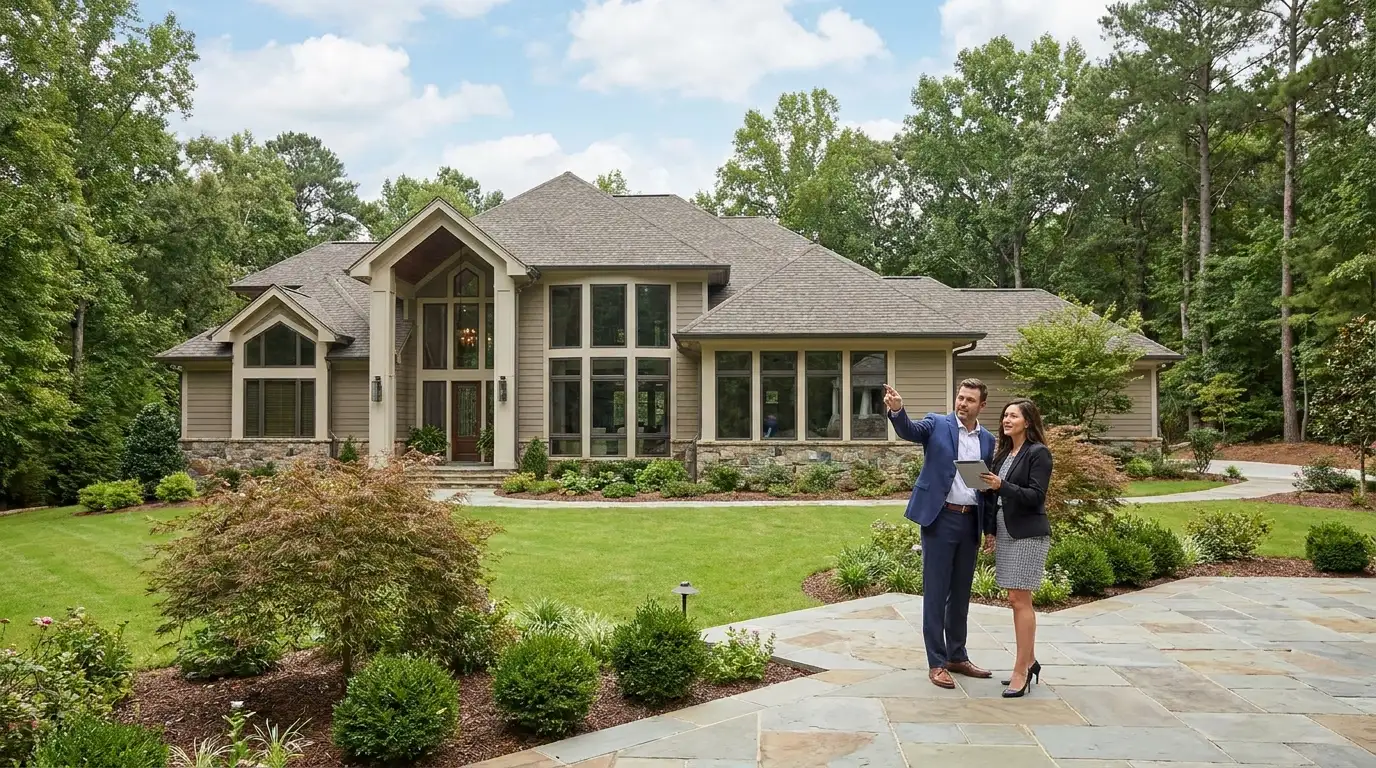
Some homes in Alpharetta, Milton, Johns Creek, and Roswell do not price cleanly against what has sold nearby. The house may be larger than the neighborhood is used to, sit on a lot that looks ample on paper and awkward in person, follow a custom plan, or show a renovation with no close parallel within a quarter mile. Neighborhood averages and price-per-square-foot multipliers tend to weaken as a property becomes less typical. The list price still has to attract the buyers who will actually consider the home, and it still has to hold up against the alternatives those buyers can tour now.
The practical work is to read sales that only partly apply, judge which differences are likely to change buyer behavior, and set a price that still looks credible beside the homes a buyer can tour this week. That number should be one you can explain, and one you are willing to revisit when feedback arrives.
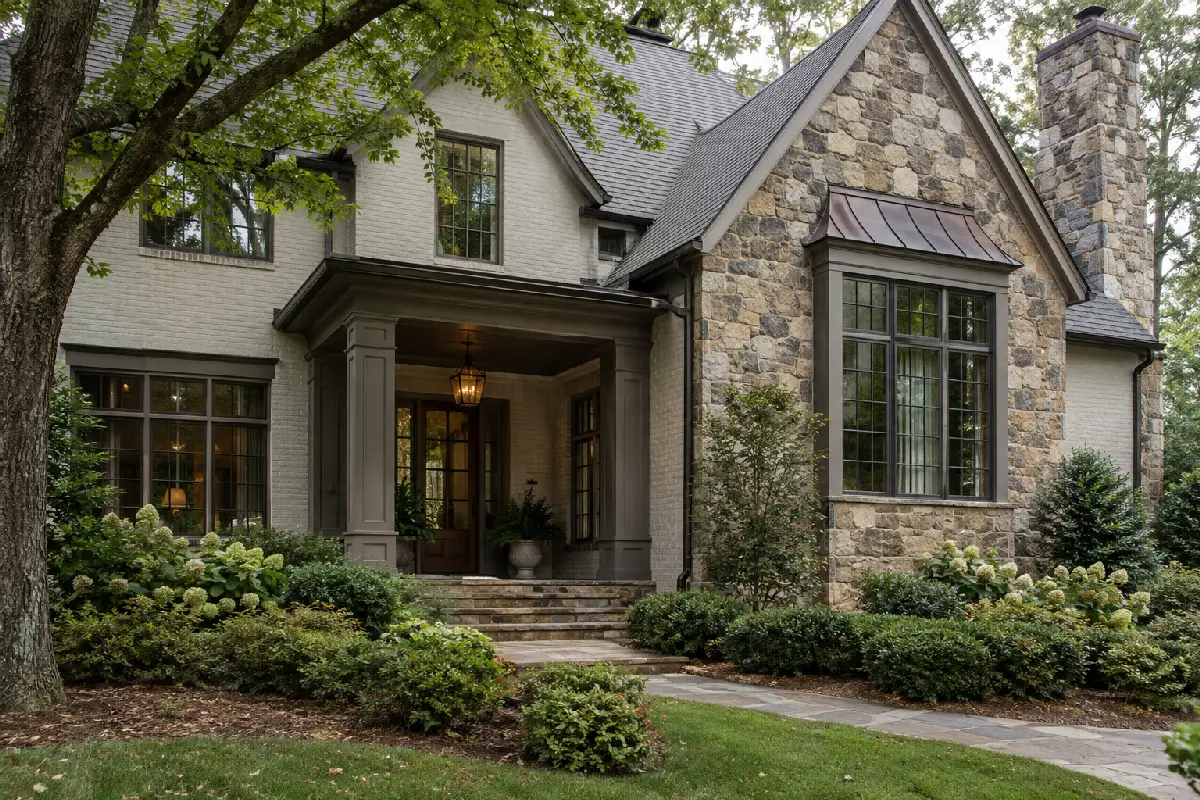
What "hard to compare" really means in North Fulton homes
A property becomes hard to compare when the usual shortcuts stop describing the choice a buyer is making. Nearby sales, a similar bedroom count, or a shared subdivision name may all be true and still miss what the buyer is comparing. The combinations that most often do that include:
- Size outlier for the area—substantially larger or smaller than neighboring homes
- Custom or awkward floor plan versus familiar subdivision layouts
- Lot that is large but not equally usable due to topography, trees, easements, or floodplain
- Heavy renovation versus deferred maintenance
- Older home competing with newer stock, or the reverse
- Finished basement or guest suite that changes how the home lives
- Pool or specialized outdoor features
- Micro-location differences: street position, traffic, privacy, access, or school assignment context
Square footage can look aligned and still describe two different houses. One may have a kitchen and living area that read as a single space, and a yard level enough to use. The other may have original finishes and a steep lot that is mostly seen from the deck. Same size, different appeal. A custom plan on acreage and a similar-size home in a swim-and-tennis subdivision can share a footage number while drawing different buyers and sitting in different comparison sets.
Why price per square foot won't settle it
Use price per square foot as a diagnostic, not a pricing method. On a less typical home, it can miss:
- Above-grade versus basement square footage, and how finished the lower level is
- Plan efficiency, and whether rooms are usable and well connected
- Condition, renovation cohesion, and whether the design still feels relevant
- Lot usability, privacy, and outdoor living
- The diminishing contribution of extra square footage as homes get larger
Notice the outliers, then explain why they sit apart. Do not anchor the list price to the figure.

Reading imperfect evidence: a practical comp strategy
Closed sales show what buyers paid. They can also lag the market. When sales are imperfect, favor the ones that match appeal and function over the ones that are merely closest. A slightly older or farther sale that lines up on lot, renovation, or layout is often more informative than the nearest address of a similar size.
Pendings can show more current buyer behavior, with the limit that the price is not final. Terms and concessions belong in the reading when they are known. Without them, a pending is a sign of interest, not a concluded comparable.
Active listings are the competition a buyer sees now. They do not prove value. They do shape whether a price feels disciplined or hopeful, because they are the homes that will appear in the same search.
Expired and withdrawn listings can suggest a problem with price, condition, or presentation. They are easy to misread. The lesson is useful only once the actual reason is clear, and that reason is not always the asking price.
Judge differences the way buyers do
Adjust the way a buyer would, not the way an improvement felt at the time it was paid for. Buyers look at the homes in front of them and ask whether a difference solves a problem, creates one, or mainly reflects the last owner's taste.
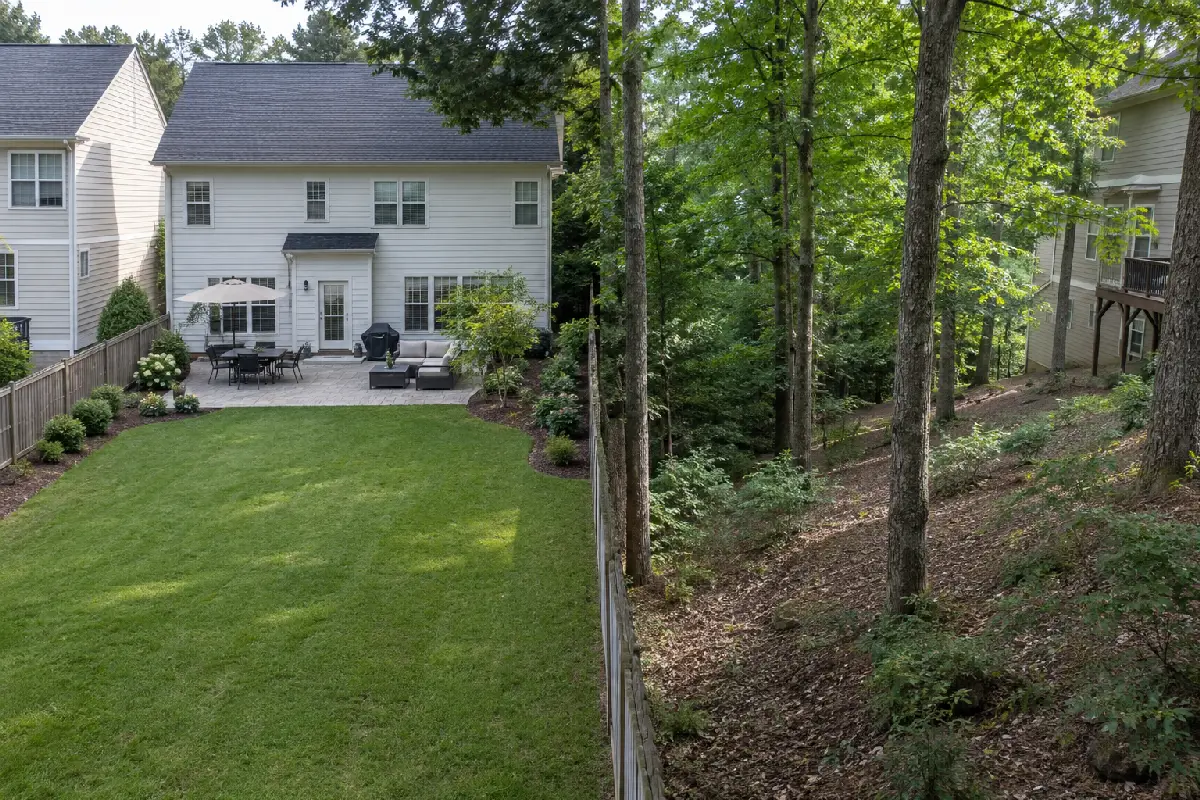
Lot and setting usually matter more than the acreage figure. Usable yard, privacy, noise, slope, maintenance, and constraints such as easements or floodplain change daily use. A large lot that is difficult to use is not automatically an advantage.
Condition and renovation are often judged as inconvenience, uncertainty, and taste. Cohesive updates that a wide range of buyers can live with tend to help. Work tailored tightly to the previous owner may not, however much it cost. Year built matters less, in most cases, than whether the house feels sound and current.
Floor plan can move the decision more than an extra counted room. Kitchen-to-living connection, bedroom placement, storage, a main-level suite or office that functions as described, and whether finished space is actually pleasant to use all show up in what buyers are willing to pursue.
A basement is generally treated as closer to above-grade space only after it feels like living area: light, ceiling height, no moisture history, and access that is not a detour. Short of that, finished lower-level footage is usually discounted. Pools and other specialty features can raise appeal for buyers who want them and narrow the field for buyers who do not. Maintenance, safety, insurance, and seasonality are the usual reasons.
Micro-location can move a home into another comparison set. Street position, the commute, trail or park access, privacy from a busy road, and school assignment context can matter more than a small difference in distance.
A few patterns show up often enough across North Fulton to be useful context. None of them is a rule for a particular street:
- Milton: Acreage and custom homes often shift the comparison set beyond the immediate street.
- Alpharetta: Mixed housing stock means renovation quality and plan cohesion can drive large differences within short distances.
- Johns Creek: Subdivision amenities and plan familiarity can shape buyer tradeoffs more than raw size alone.
- Roswell: An age mix and varied renovation styles mean updated versus original often matters more than year built.
Price, value, and what you spent are different
Price is the ask or the offer. For listing decisions, market value is better treated as a supported range typical buyers may pay under ordinary conditions—not a single figure calculated to the dollar. Cost is what was spent to buy, build, renovate, or maintain. On an unusual home, the three numbers diverge more often than owners expect.
Buyers compare alternatives and ask whether a feature solves their problem. A specialized or personal improvement needs enough buyers who want that specific thing before it supports a premium, and it may return less than it cost. The relevant question is not what the work was worth to the household that paid for it. It is what the next buyer will give up, in price or in another house, to have it.
Positioning against today's alternatives
Map the competitive set the way a buyer will meet it in a search, not as a set of architectural twins. Filters for price, bedrooms, and location will bring up homes that are only loosely alike. Those are still the alternatives.
When a lower-priced option can cap what buyers will consider, a premium needs a difference they can see and that they care about. Condition, a usable lot, or a plan that lives better can justify the step. A feature visible only in the seller's notes usually cannot. When a higher-priced home is doing part of the positioning, condition, presentation, and features have to make the step-up believable in photos and in person.
Compare price, condition, lot, plan, renovation level, outdoor features, and how the house will feel to live in. One metric that favors your home is not a strategy.
After you launch: read feedback without overreacting
Look for patterns rather than one-off comments. Showing volume set against online interest, repeat visits, time spent on tour, questions that suggest intent, and the quality and terms of any offer all matter more than a single harsh note. The same objection from unrelated buyers—price, layout, condition, or location—is the one to take seriously.
Strong traffic and no offers often signal a mismatch of value, condition, or layout. The home is findable, and buyers are declining it. Thin activity from the outset can mean the audience at that ask is smaller than the price assumes, or that photos and remarks are not giving the right buyers a reason to come. Those problems ask for different responses.
Overpricing carries extra risk when the buyer pool is already narrow. Buyers who might have been a fit can move on. The listing can fall outside common search cutoffs. Time builds, and a later reduction often reads as a correction, not as a new listing. Room to negotiate is seldom persuasive by itself. Buyers do not reliably price in a discount the listing has not offered.
Testing a premium is different from assuming that unusual means more valuable. A higher ask can be reasonable when the evidence supports it and you accept that activity may be thinner. It is a weak plan when the premium is really unrecovered cost, personal taste, or hope that the right buyer will ignore closer options.

What to expect from an experienced pricing analysis
The analysis should show its reasoning. On a hard-to-compare home, expect to see:
- A walk-through that treats function, flow, and condition as pricing facts
- Closed sales, pendings, actives, and relevant expired or withdrawn listings in the same discussion
- A direct account of which differences are likely to change buyer behavior, and which are not
- A supported range, rather than a single precise number
- A clear statement of where the evidence is thin, and what that does to confidence
- Decision points after launch: what feedback would justify holding, changing presentation, or changing price
Sellers make that work more accurate by bringing what a careful buyer will ask for anyway:
- Renovation records, permits, warranties, and service history
- Notes on access, noise, trails, and privacy that are specific, not promotional
- Known constraints or issues; a disclosure that matches the house keeps the pricing credible
Unusual homes are where judgment has to interpret imperfect evidence. A finer spreadsheet will not replace that. For further context on complex property situations, or a broader look at the North Fulton market, those pages are useful background, not a substitute for looking at this house.
A quick pre-list checklist
- Do buyers easily see what is distinctive from the photos and the headline?
- If there is a premium over nearby alternatives, is the reason visible and clearly better?
- Are the most relevant pendings and actives accounted for in the ask, not only the closed sales?
- Is there a defined point at which feedback would change price or presentation?
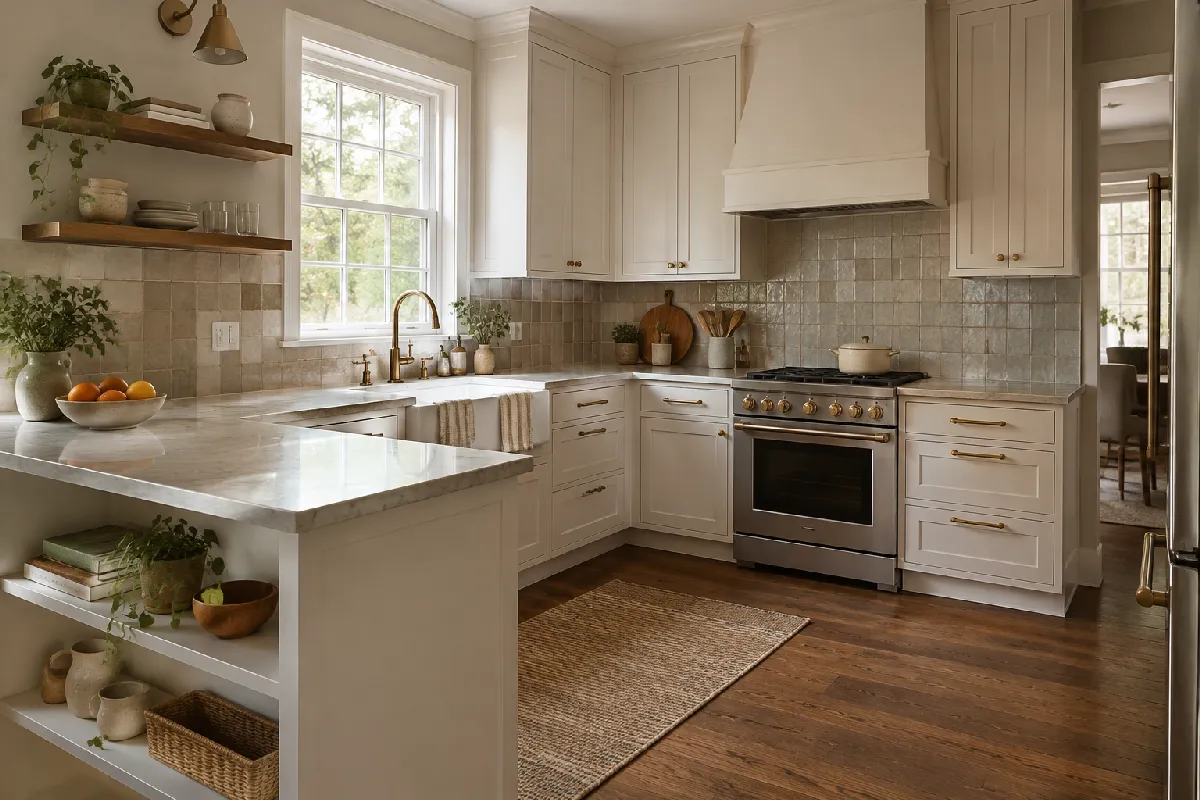
Pricing a North Fulton home that sits outside the neighborhood pattern is a matter of reading incomplete sales, judging which differences buyers are likely to pay for, and placing the house against what is available now. Choose a number you can explain. Decide in advance what feedback would make you change it.
If the home does not fit the surrounding stock, a grounded conversation will be more useful than a formula. Sellers who want that analysis in context can learn more about Resideum's seller representation.