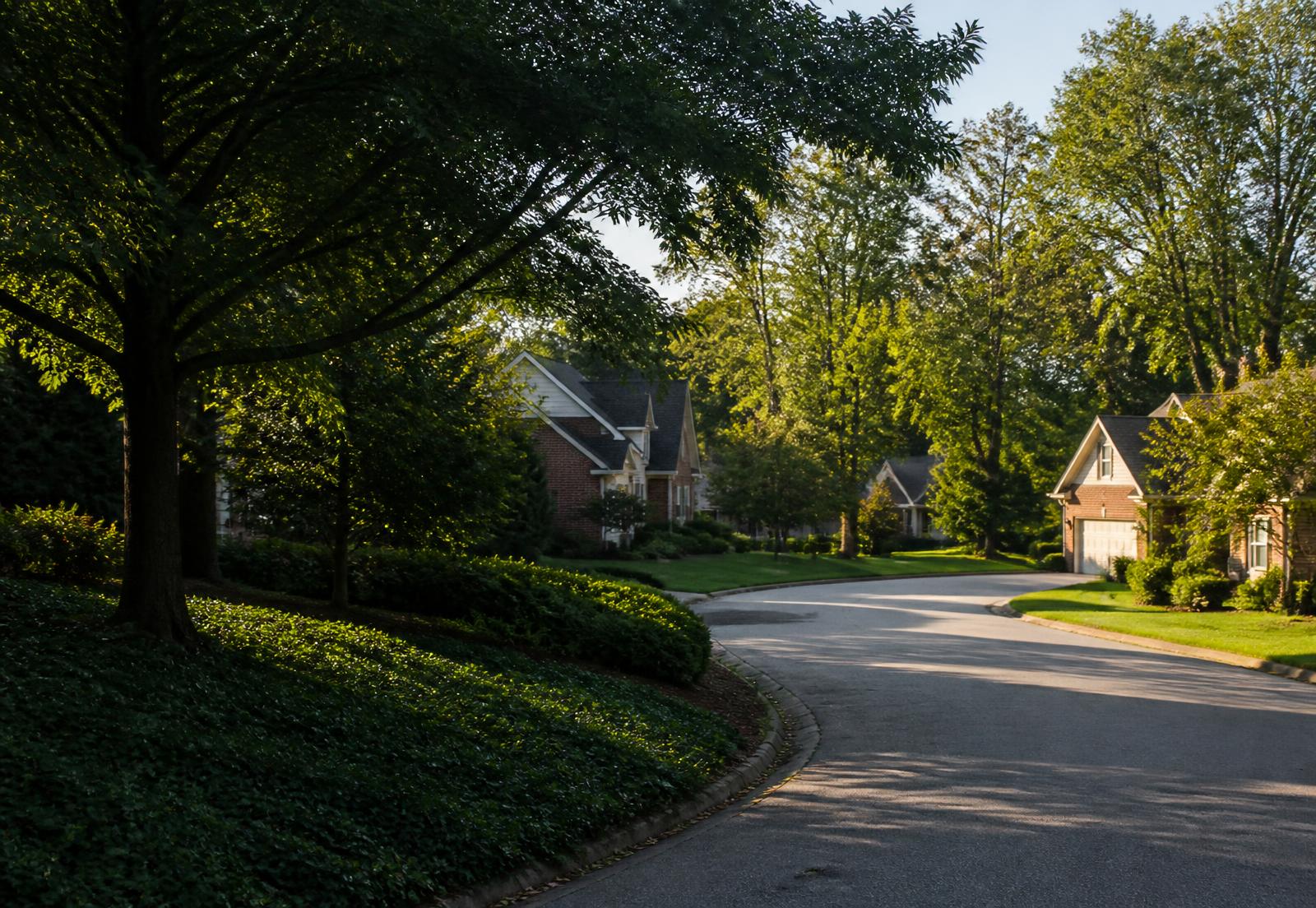
Mature landscaped Duluth subdivision with varied brick and traditional detached homes

    Duluth Real Estate

    Duluth Real Estate Varies More Than the Listing Details Suggest.

    Homes in Duluth can differ substantially by property type, neighborhood, age, condition, renovation quality, lot characteristics, and long-term marketability. Resideum helps buyers and sellers understand which differences matter most before making a major decision.

    Duluth in Context

    Understanding Duluth Real Estate

    Duluth sits within Gwinnett County, but the city name does not describe a single residential pattern. Established subdivisions, updated resales, newer homes, townhomes, and other attached properties create different questions about ownership, upkeep, privacy, community structure, and future competition.

    The City’s comprehensive planning and planning-and-development materials address land use, transportation, community facilities, housing, and the relationship among established areas and places experiencing reinvestment. Official downtown development work focuses on the central business district, while corridor studies address targeted areas. Those efforts are useful context, not a prediction for an individual address.

    City limits, services, applicable regulations, association obligations, permits, and development feasibility must be confirmed for the specific property. A Duluth mailing address and the City of Duluth are not interchangeable in every decision, so buyers and sellers should verify jurisdiction and property-level facts.

    Local context is grounded in official City of Duluth comprehensive planning, plans and studies, development regulations, and downtown development materials, with relevant Gwinnett County resources used where appropriate.
    Local Decision Insight

    Why Property Type and Neighborhood Context Matter in Duluth

    Price, square footage, and bedroom count can place properties in the same search results without making them equivalent. The useful comparison begins with how each property is owned, maintained, used, and likely to compete later.

    01

    Property type defines the ownership framework

    A detached home and an attached residence may share a bedroom count while differing in exterior responsibility, land, privacy, parking, common elements, association obligations, and the buyers likely to consider them later.

    02

    The neighborhood changes the reference point

    Subdivision pattern, surrounding homes, community upkeep, internal location, nearby uses, and access to the wider Duluth area help determine which alternatives are genuinely comparable.

    03

    Age is only the beginning of the condition story

    Maintenance history, major systems, exterior care, additions, and deferred work can separate properties built in the same period. A newer construction date does not replace careful inspection.

    04

    Renovation quality affects more than appearance

    Materials, workmanship, layout decisions, design continuity, permits where required, and the condition of items left untouched determine whether an update improves function or simply photographs well.

    05

    Site and position shape everyday use

    Usable outdoor area, slope, drainage observations, driveway approach, road exposure, privacy, orientation, and neighboring properties can create very different experiences behind similar listing statistics.

    06

    Future marketability depends on the complete fit

    Buyer expectations, floor-plan usefulness, maintenance burden, parking, association context, neighborhood setting, condition, and likely competition all matter when the property returns to the market.

    Properties with similar price, size, or bedroom count may offer very different ownership experiences and resale characteristics when type, setting, responsibility, and condition are considered together.

    For Buyers

    Buying a Home in Duluth

    Resideum helps buyers compare property types and neighborhood settings, coordinate the right diligence, and connect condition, terms, appraisal exposure, negotiation, and future marketability.

    • Identify the ownership, maintenance, parking, and association implications of each property type
    • Compare subdivisions and neighborhood settings rather than relying on a citywide label
    • Separate finishes from workmanship, major systems, deferred maintenance, and renovation exposure
    • Evaluate floor-plan function, lot use, road position, privacy, and surrounding properties
    • Use documents, inspections, appraisal context, and property-specific findings to shape offer terms
    • Balance present-day fit with likely maintenance demands and future marketability

    A detached home, townhome, and renovated resale can each look appealing for different reasons. Experienced guidance helps identify the tradeoffs that may affect maintenance, value, and future resale.

    Learn About Buyer Representation

    For Sellers

    Selling a Home in Duluth

    A strong sale strategy positions the home within the comparison buyers will actually make. That requires preparation, pricing, photography, property-type context, offer judgment, appraisal planning, inspection response, and reliable execution.

    • Define competition by property type, neighborhood, condition, layout, and buyer profile
    • Choose repairs and updates according to likely objections, not a universal preparation list
    • Present the home’s function, setting, improvements, parking, and ownership context clearly
    • Set pricing strategy against the choices buyers can make now, including renovated alternatives
    • Judge offers through financing, appraisal, inspection, timing, contingencies, and execution risk

    Before choosing a price or making improvements, understand which homes buyers are really comparing yours against—and which differences are likely to matter most.

    Explore Seller Representation

    Ownership Choices

    Different Property Types Create Different Decisions.

    Duluth offers more than one ownership format. The goal is not to rank detached and attached homes, but to understand the responsibilities, tradeoffs, and marketability of the specific property.

    Detached homes

    Lot function, exterior maintenance, privacy, driveway and parking, renovation flexibility, major systems, and neighborhood setting belong in the review. Greater individual control can also mean broader individual responsibility.

    Townhomes and attached homes

    Buyers should clarify shared elements, exterior obligations, insurance boundaries, parking, private outdoor areas, community rules, fees, amenities, and how unit position may influence use and resale.

    Association diligence

    Where an association applies, review available declarations, bylaws, budgets, reserves, assessments, meeting records, insurance information, restrictions, leasing provisions, and maintenance boundaries with appropriate advisors.

    A property-specific choice

    Neither ownership form is inherently better. The sound decision connects responsibility, space, privacy, convenience, cost, community structure, and likely future demand to the buyer’s actual priorities.

    Improvement Potential

    Sometimes the Opportunity Is in the Improvement.

    Existing homes may benefit from maintenance, focused updating, or broader work, but the investment case depends on the property, neighborhood, buyer, budget, schedule, and risk. No improvement guarantees a return.

    1. 01

      Cosmetic clarity

      Cleaning, paint, flooring, lighting, and editing may help buyers understand the home when condition and function are otherwise competitive.

    2. 02

      Maintenance first

      Exterior deterioration, drainage observations, mechanical concerns, damaged finishes, and known defects may deserve attention before optional design work.

    3. 03

      Kitchen and bath decisions

      Repair, refresh, and full renovation carry different costs and schedules. The appropriate scope depends on the existing space and the property’s realistic competition.

    4. 04

      Larger remodeling

      Reconfiguration or expansion should be tested against construction feasibility, approvals, budget, timing, neighborhood context, carrying exposure, and the credible finished position.

    5. 05

      Selective value-add

      Some properties support a disciplined improvement plan, but a dated appearance alone does not create an investment case. Acquisition basis, scope, contingencies, demand, and exit strategy remain essential.

    Seller Preparation

    Improve What Buyers Will Notice. Skip What They Won’t.

    The decision should respond to property type, condition, neighborhood, likely buyer, competition, schedule, and budget—not to the assumption that every seller should renovate.

    1. 01

      Create a coherent first impression

      Paint, lighting, flooring, cleaning, landscaping, and visible exterior care should work together to reduce distraction and communicate stewardship.

    2. 02

      Address the confidence issues

      Known maintenance and repair concerns deserve early review so the seller can make deliberate choices about work, disclosure, pricing, and negotiation.

    3. 03

      Match kitchens and baths to the strategy

      A focused repair, selective refresh, or larger project should respond to actual competition, likely buyer expectations, timing, and budget.

    4. 04

      Respect property-type expectations

      Preparation for a detached home may emphasize exterior condition and lot presentation; attached housing may require clear communication about responsibilities, parking, and association context.

    5. 05

      Skip work that does not strengthen the position

      Greg’s brokerage, investment, construction, and renovation experience helps test scope against likely buyer response without assuming every project will be rewarded.

    Duluth Housing Context

    One Search Area, Several Different Comparison Sets.

    Duluth’s housing choices should be evaluated within the right ownership, neighborhood, condition, and buyer context rather than blended into one suburban category.

    1. 01

      Established single-family subdivisions

      Mature settings can contain wide differences in maintenance, renovation, systems, layout, lot usability, road position, and how each home relates to nearby properties.

    2. 02

      Newer and recently built homes

      Contemporary layouts and finishes may appeal, while construction execution, site placement, drainage, warranties where offered, community obligations, and future competition still need review.

    3. 03

      Updated resale homes

      Useful analysis distinguishes a coordinated improvement from a surface update by examining workmanship, function, systems, consistency, and what remains unchanged.

    4. 04

      Townhomes

      Shared structures, stairs, exterior responsibility, parking, fees, rules, amenities, unit position, and competing homes establish a distinct ownership and resale comparison.

    5. 05

      Other attached housing

      The relevant questions turn on the legal ownership structure, common elements, maintenance boundaries, insurance, financing context, association information, access, and buyer fit.

    6. 06

      Upscale residential properties

      Architecture, finish continuity, systems, privacy, site quality, outdoor spaces, neighborhood position, and presentation may require more precise comparison than size alone supplies.

    7. 07

      Renovation opportunities

      Potential depends on current condition, layout, professional findings, restrictions, project complexity, cost, timing, and whether the finished home would have a defensible market position.

    8. 08

      Selective investor and value-add situations

      A viable plan connects purchase basis, improvement scope, contingencies, holding assumptions, demand, property type, and exit strategy. Not every improvement-needed home qualifies.

    Duluth Property Search

    Homes for Sale in Duluth

    Search current Duluth listings, then connect with Resideum for experienced guidance on property type, value, condition, neighborhood context, negotiation, inspections, and risk.

    Search All Duluth Homes

    Seller Strategy

    Thinking About Selling in Duluth?

    Before choosing a price or deciding what to improve, understand which properties buyers will compare with yours and how condition, property type, and neighborhood context may influence their decision.

    Experience Changes the Outcome

    Experience Brings the Real Comparison Into Focus.

    Across 37 years, nearly 9,000 transactions, and more than $1 billion in career transaction volume, Greg Kurzner has developed pattern recognition around property-type comparison, pricing, preparation, renovation strategy, negotiation, inspections, risk, and problem solving. That experience helps clients recognize which differences may change the outcome.

    A useful strategy does not force unlike properties into one comparison. It identifies the ownership, condition, and context that buyers will actually evaluate.

    Duluth Real Estate FAQ

    Questions About Property Type, Condition, and Context

    Useful answers begin with the specific ownership structure, neighborhood, property, current condition, competition, and client objective.

    Duluth Real Estate

    The Right Decision Starts With Understanding What You’re Really Comparing.

    Whether you’re buying or selling, property type, condition, neighborhood context, and future marketability can matter just as much as the basic listing details.