
Buying a rental is a different decision from buying a home. You are not buying a house with rent attached. You are buying an operating asset—income, expenses, capital needs, and risk. List price and a rough rent estimate rarely decide long-term performance on their own. Property taxes, insurance, major systems, the true scope of renovation, and tenant demand usually matter more.
This guide is for building an offer from realistic rent, full operating costs, verified condition and renovation exposure, financing realities, neighborhood competition, and a clear exit—so the deal still works if the optimistic case does not.

Start with your strategy and risk tolerance
Before you tour, define the plan. A long-term hold for stable cash flow, a light value-add with cosmetic work and repositioning, a full renovate-and-hold, and a resale to an owner-occupant after stabilization are different operations. They call for different reserves, different tolerance for vacancy, and different assumptions about how long capital stays tied up.
Match the property to how you actually operate. Consider construction capacity, management bandwidth, willingness to carry a vacancy during work, and comfort with cash reserves. Without renovation experience or a contractor you already trust, a house that needs substantial structural or systems work may expose you to overruns and delays you cannot absorb.
Decide upfront which risks you will not take. Unknown sewer-line condition, a roof that cannot be insured, unclear permits, or HOA uncertainty should be deal-breakers unless you can price that exposure and contain it. Walking away early is usually far less costly than walking away late—or closing on a problem you did not underwrite.
Build a supportable rent range—don't assume it
Assemble a competitive set from the market this property will actually face. Stay in the same submarket, and watch school and commute patterns. Match property type, bedroom and bathroom count, square footage, condition and finish, parking, outdoor space, and laundry. Where nearby apartments or professionally managed communities compete for the same renter, include them.
Weight leased and achieved rents over asking rents. A listing is what an owner hopes to collect. An executed lease is what a tenant agreed to pay. Note concessions and time-to-lease when you can find them. A property that needed incentives and a long vacancy to lease is not the same comparable as one that leased promptly near the asking rent.
Separate as-is rent from post-renovation rent, and tie any projected increase to a defined scope, cost, and timeline. Underwrite a conservative case and a base case. Keep upside as potential, not as the basis for the offer. If the price only works at top-of-market rent after a flawless renovation, there is little margin for delay, cost overrun, or a finish level the market will not pay for.
Use recent leased comps from the MLS where available, public listing portals, property manager input, and your own field checks. Drive the area, and walk competing properties if you can. The useful question is what a renter sees when choosing between this house and the alternatives.
The cost of keeping it rented: build a property-specific expense picture
The seller's numbers are not yours. Verify the inputs that will actually hit your operating statement.
Property taxes: Check county records and any applicable city records. Do not assume the seller's bill, or any homestead treatment, will be your bill. Ask the relevant tax offices how a change in ownership, assessed value, exemptions, and millage may affect taxes. The post-purchase bill is not always knowable in advance, and an investor-owned property may be taxed differently from an owner-occupied home.
Insurance: Obtain a quote on this specific property before due diligence ends. Roof age, systems condition, prior claims, flood exposure, and vacancy or renovation status can change premiums and terms. A property that cannot be insured on acceptable terms may not be a viable investment.
HOA or COA fees: Confirm current dues, assessments, rental restrictions, caps, and leasing rules. Review the documents and recent meeting minutes, not only a summary. An HOA with a rental cap that is already met may prevent you from leasing, depending on the rules and how they are enforced. A pending special assessment can reduce or eliminate projected cash flow.
Management and leasing: Include fees even if you plan to self-manage. Your time has a cost. If you will not manage the property yourself, budget what a manager in this market would actually charge, including leasing fees on turnover.
Vacancy and turnover: Account for lost rent and make-ready costs—cleaning, paint, locks, utilities during vacancy, and leasing fees. A property that turns over every year can carry a materially higher effective expense than one with a stable, longer-term tenant. Renovation vacancy at the start is a separate carrying cost, not a routine vacancy allowance.
Owner-paid utilities and services: Water and sewer, trash, landscaping, pest control, and any municipal fees that stay with the owner. Verify what the tenant pays and what you pay. Small assumptions here compound over a hold.
Keep operating expenses separate from capital replacements. Do not bury a roof, HVAC system, sewer line, electrical panel, or drainage repair in a general repairs line. Operating expenses recur. Capital replacements are episodic and can exceed a single year's cash flow. Both belong in the underwriting, and they require different reserves.
Condition and systems: where investment risk actually lives
Cosmetic condition is visible and relatively easy to price. Systems condition is where most of the investment risk sits, because it affects insurability, habitability, safety, lender requirements, and near-term cash.
Roof: Age, remaining life, evidence of leaks, decking condition, and insurability. A roof nearing the end of its life may trigger non-renewal or force a replacement you had not planned to fund right away.
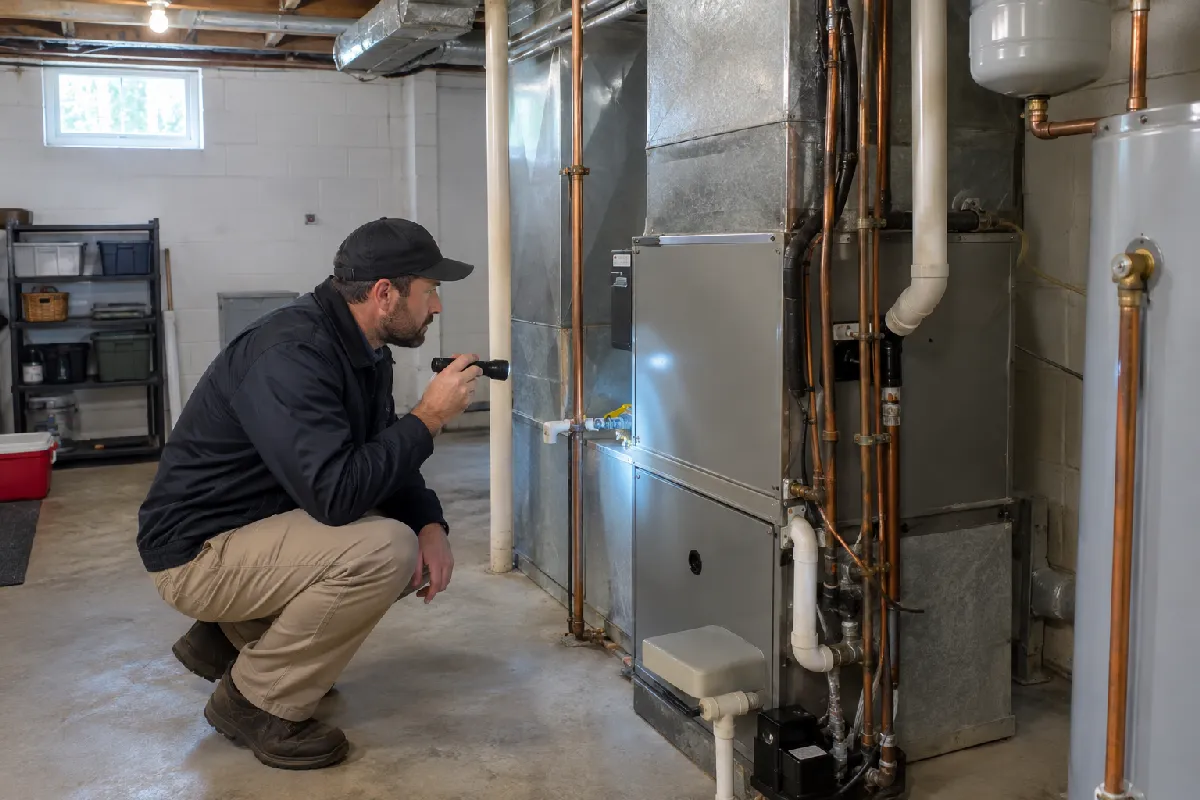
HVAC: Age, performance, refrigerant type, distribution, and safety. An aging system that still uses R-22 can be costly to service, and replacement may be more practical than repeated repair. Undersized or neglected equipment tends to fail during peak demand, which is also when complaints and turnover are hardest to manage.
Plumbing and sewer: Supply lines, shutoffs, water pressure, visible corrosion, and sewer-line material and condition. Scope the line where there is uncertainty. A collapsed or root-damaged sewer can be a major repair, and a walkthrough will rarely show it.
Electrical: Panel brand and capacity, aluminum wiring, GFCI and AFCI protection, grounding, and obvious DIY work. Unsafe or inadequate electrical systems can create liability, insurance problems, and code-compliance exposure.
Water management: Grading, gutters and downspouts, crawl space or basement moisture, erosion, and retaining walls. Chronic moisture can contribute to mold, structural damage, and tenant turnover, and it is easy to underestimate on a dry showing day.
Exterior envelope: Siding, windows, flashing, and wood rot. Water that gets through the envelope can damage finishes and the systems behind them.
New finishes do not compensate for failing systems. Tenants often care more about heat, cooling, hot water, and dry floors than about finish details.
Scope the renovation before you offer
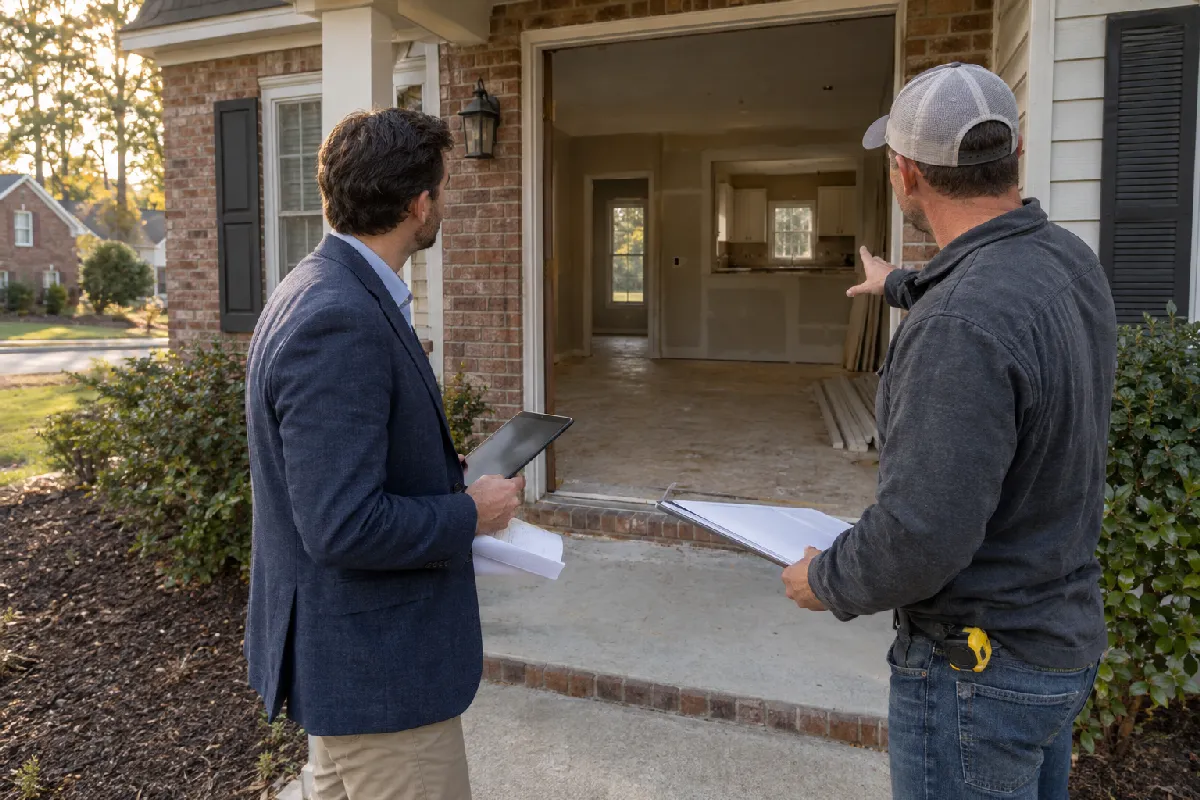
Sort the work into four categories before you price it: required for habitability and safety; rent-ready items that shorten time-to-lease; market-positioning upgrades tied to a specific rent target; and deferred capital you are likely to face during the hold.
Price more than materials. Include labor, permits, inspections, dumpsters, temporary utilities, carrying costs while the house is vacant, and a contingency for concealed conditions. If you have not managed a renovation, budget conservatively and leave margin for mistakes.
Unknown sewer condition, roof damage, moisture intrusion, or unclear permit status should lower the price, strengthen contingencies, or end the deal. For a closer look at how renovation scope affects what a property can support, see how to evaluate renovation and property potential.
Rentability now and resale later: lot, layout, and submarket competition
Some features affect both leasing speed and later resale. Parking and access, a usable yard, noise, storage and closets, laundry location, bedroom separation, natural light, and a workable place to work from home matter to tenants and to future buyers.
Verify additions, basement bedrooms, and conversions against permits and local bedroom and egress requirements. An unpermitted bedroom may not legally count as a bedroom. That can change the comp set, and it may narrow the buyer pool on exit.
Competing supply can change the set you are underwriting against. Apartments, build-to-rent communities, and professionally managed single-family rentals can compress rent growth and make retention harder. Commute patterns, employment access, and nearby services shape the likely tenant. A harder commute, or thin everyday services, may mean a lower rent or a longer time to lease.
For submarket context across Metro Atlanta, explore areas and neighborhoods. Review HOA rental caps and leasing rules before the plan depends on them. A well-located property with a restriction that blocks leasing may not function as a rental at all.
Price the offer to the plan: frameworks that survive the downside
Model three cases, and be clear about which one may set the offer. The conservative case uses lower rent, longer vacancy, higher taxes and insurance, and work that costs more or takes longer. The base case uses supportable rent, verified expenses, and a defined scope. The upside case should reflect only improvements tied to a project you have priced and scheduled. Do not use the upside case as the basis for the offer. If the base case is thin and the conservative case does not hold, the price may be too high for the plan—or the plan may be wrong for the property.
Keep the definitions consistent, so you are not comparing unlike figures. Effective Gross Income is supportable rent after vacancy and credit loss, plus any other income you can document. Operating Expenses are the property-specific costs you have verified, excluding principal and interest. Net Operating Income is Effective Gross Income minus Operating Expenses. Total Project Cost is purchase price plus closing and loan costs, due diligence, renovation, carry, and initial reserves. Cash flow after financing is Net Operating Income minus debt service.
These are decision frameworks, not valuations and not guarantees. The figures are only as reliable as the inputs behind them. A model built on a seller's rent estimate, last year's tax bill, and a verbal renovation range can look precise and still be misleading.
Test financing early. Understand rate, points, fees, required reserves, repair escrows, appraisal conditions, and insurance requirements. Then test a hold in which a refinance does not arrive on favorable terms. If the deal works only with a refinance at a specific rate and loan-to-value, you are depending on future credit conditions, not on cash flow you can underwrite today.
Name the exit now. An indefinite hold, a refinance with continued ownership, a sale to another investor, and a sale to an owner-occupant are not the same plan. A narrower future buyer pool calls for a more conservative price. If the exit is an owner-occupant, the property has to appeal to that buyer when you sell—not only to a renter today.
Due diligence: replace assumptions with evidence before the deadline
Order a general home inspection, and retain specialists where indicated: roofing, HVAC, sewer scope, electrical, structural, or moisture and waterproofing. Do not rely on the seller's representations, or on a walkthrough, to assess systems you cannot see.
Review tax history with the county and, if applicable, the city. Obtain an insurance quote on this property, not a generic estimate. Request HOA or COA documents, rental restrictions, meeting minutes, budgets, and any special assessments. Check permit history, open violations, and survey or title issues. Confirm flood status and any known water-intrusion history.
If the property is occupied, review the lease, payment history, security deposits, and written addenda. Confirm compliance with local landlord-tenant requirements rather than assuming the existing arrangement simply transfers. Obtain contractor pricing tied to a written scope, and verify lender conditions and the timelines those conditions require.
For properties built before 1978, confirm the lead-based-paint disclosure obligations that apply to the transaction rather than assuming a general rule covers it. Landlord-tenant requirements vary by jurisdiction. Consult Georgia Department of Community Affairs materials, and qualified counsel or property managers, as appropriate.
Use the due diligence period to renegotiate, request a credit or repairs, seek more time, revise the scope, or terminate where the contract allows. If the evidence contradicts the assumptions in the offer, adjust the price, adjust the plan, or walk.
Conclusion
Treat each potential rental as an operating asset. Confirm income you can support, the operating costs that will be yours, near-term capital needs, financing constraints, tenant appeal, and a realistic exit. Make an offer that still works if the optimistic case does not materialize. Walk when the evidence says the risk and the plan do not fit.

If you want help underwriting a specific property, scoping renovation exposure, or pressure-testing rentability and exit, Resideum Investor Services can support that process.