
You can generally sell a rental while a tenant is still living there. The harder question is which path fits the lease, the property, and what you need from the sale: list it occupied, sell to an investor, or wait for a lawful vacancy.
Occupancy changes the buyer pool, the showing plan, the file you should have ready, and how price and timing should be read. An occupied rental is not marketed the same way as a vacant house. Treating it as one is where these sales usually get messy—offers that assume the keys at closing, showings the lease does not support, and a headline price that does not survive the terms.
For a Metro Atlanta landlord, the useful comparison is net result: time, disruption, certainty, and proceeds. Before you agree to possession or access you cannot easily unwind, it helps to see what each path actually requires.
Important note: This is general information for owners, not legal advice. Questions about your specific lease belong with a qualified Georgia attorney.
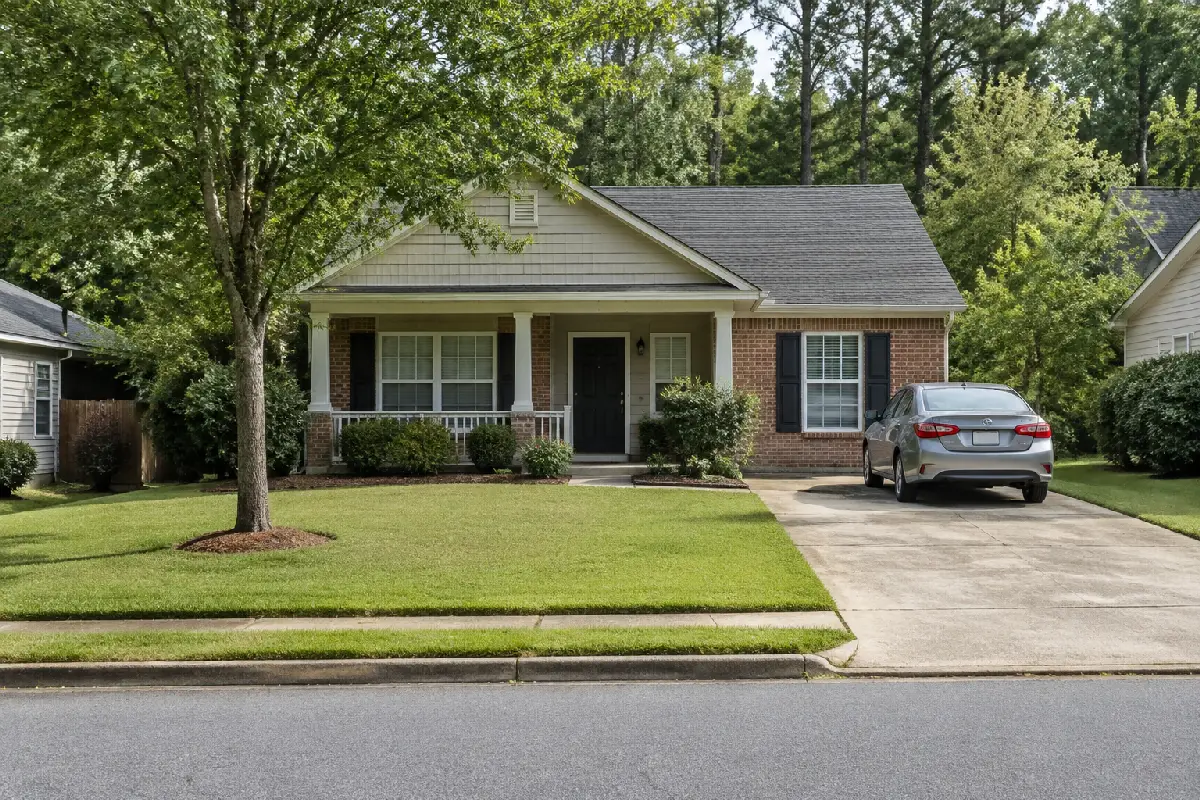
What a Sale Does—and Doesn't—Change When There's a Tenant in Place
In many occupied sales, the remaining lease continues with the property, and the buyer takes on the rest of the term and the obligations that go with it. That is a common way these transactions are structured. It is not a guarantee that every lease works the same way. Read the documents before you describe the transfer as settled.
A sale does not, by itself, produce vacant possession, authorize a rent increase, or rewrite the lease. A buyer who expects to move in while months remain on the term has a problem—and that problem becomes yours if the marketing suggested otherwise.
Do not promise vacancy, a notice period, or specific access rights in a listing or a contract unless those promises are realistic and supportable. Security deposit handling, entry rules, and similar mechanics should come from the lease, not from assumption. Guessing in the listing is how a clean file turns into a renegotiation.
Who Will Buy, and How That Should Shape the Sale
Buyer fit should drive price, listing language, photos, showing instructions, and whether you go to the open market or to investors directly.
Local landlords often want income already in place and a lease they can read. Small portfolio buyers and out-of-state investors tend to assume property management and underwrite cash flow and condition. Value-add buyers may care less about today's rent than about what they can do after the term, provided the lease does not block that plan.
Owner-occupants are realistic mainly when the remaining term and a workable move-in date line up. Marketing an occupied house as if it were vacant invites offers that assume immediate possession. The friction shows up later, usually after you have spent time with a buyer who cannot perform on the terms you can deliver.
A property with solid in-place income and limited access is often a better fit for a quiet investor sale. A house near the end of the lease, in sound condition, with flexible access, can justify broader exposure. Match the channel to that reality rather than to the way you would sell an empty home.

The Lease File Investors Actually Underwrite
Investors underwrite an occupied rental as an operating asset, not as a house that happens to have a tenant. The file they expect is specific: the signed lease and every amendment, including term, expiration, and any renewal or option language; current rent, a payment ledger, late or NSF history, and any balance due; security deposit and prepaid rent records, plus pet fees, concessions, or side letters; a clear statement of who pays utilities, lawn care, pest control, and routine maintenance; and notices, open disputes, and repair history that would change how a buyer prices risk.
Rent level changes the story, and not always in the direction owners expect. Near-market rent with on-time payment under a clear lease usually supports confidence. Below-market rent lowers current income and may imply later upside—but only if a lawful increase is actually available when the term allows it. Above-market rent can look strong on a spreadsheet and still worry a buyer who has to renew the tenant. Month-to-month can read as flexibility or as income that can leave on short notice, depending on who is buying.
Thin or informal records tend to produce more conditions, a wider discount, or both. If you want the property packaged for that kind of review, see Investor Services.
Showings and Access While the Tenant Is in Place
A listing does not override the lease. Many leases address reasonable access and notice; some are vague or silent. Know which you have before you promise showings, an inspection, or an appraisal window to anyone.
Then set a plan you can keep. Define the notice you will actually give, and the windows when showings happen. Decide how weekends and evenings are handled before the first request comes in. One person should talk to the tenant—multiple agents calling the same household is how a cooperative tenancy turns difficult. Spell out lockbox and alarm instructions, pet and child considerations, and where visitors park. Schedule photography, inspections, and the appraisal the same way you schedule showings, and decide in advance how personal belongings will be treated in photos and during walkthroughs.
Marketing should match that plan. Say the home is tenant-occupied. State whether the lease is fixed-term or month-to-month, and when it ends. Describe rent and payment history without dressing it up. Make clear that possession may not transfer at closing.
An early move-out, or access beyond what the lease already allows, is a separate agreement. It should be voluntary and reviewed before anyone relies on it. It should not be assumed in the listing, and it should not be pressed out of the tenant to make a showing calendar work.

Condition, Pricing, and What Is Worth Doing While Occupied
Price the property as both a building and a going lease. Before you list, look at what will affect price and disclosure: roof and exterior, HVAC, plumbing, electrical, drainage and moisture, and obvious safety items. Separate ordinary wear, tenant damage, and true deferred maintenance. Buyers will try to sort those categories whether you do or not, and the distinction shows up in both the offer and the repair request.
What you can reasonably do while someone is living there is limited. Safety items and clear deferred problems are often worth addressing if access allows. A large project in an occupied house rarely is. If you wait for vacancy, cleanliness, paint, light repairs, and photographs that show the rooms tend to matter more than a full remodel. Weigh any likely price difference against construction cost, lost rent, delay, and the chance the work does not pay for itself.
Selling as-is, with the file in order, is often the cleaner choice when major work would not change the net result. Renovation is worth exploring only when it would. For a structured way to think about that, see Renovation Property Potential.
Three Paths in Metro Atlanta, and When Each Tends to Fit
Path 1: List Publicly While Occupied
A public listing while occupied keeps rent coming in and can reach investors plus the occasional owner-occupant who can wait. The buyer pool is usually narrower than for a vacant house. Photos and showings are harder. Tenant privacy and schedule limit how often the door can open. Some offers will still assume vacancy or a heavy repair credit—read those terms before you treat the price as real.
This path tends to fit when the tenant is reliable, access is workable, meaningful time remains on the lease, condition is defensible, and you want market exposure without pretending the house is empty. For a conventional listing, see Selling Services.
Path 2: Sell to Another Investor
An investor sale, quiet or off-market, usually means fewer showings and underwriting built around income and condition. Day-to-day disruption for the tenant is lower, and both sides generally expect the lease to be honored. You give up breadth. There is less of an auction effect, price discovery is narrower, and some buyers will price in conservative assumptions about condition or rent.
This path tends to fit when the lease and payment history are strong, access is limited, the property needs work, or you care more about speed, privacy, and a close you can plan around than about maximum exposure. For targeted outreach and packaging, see investor buyer outreach. Files with more moving parts are covered under Complex Property Situations.
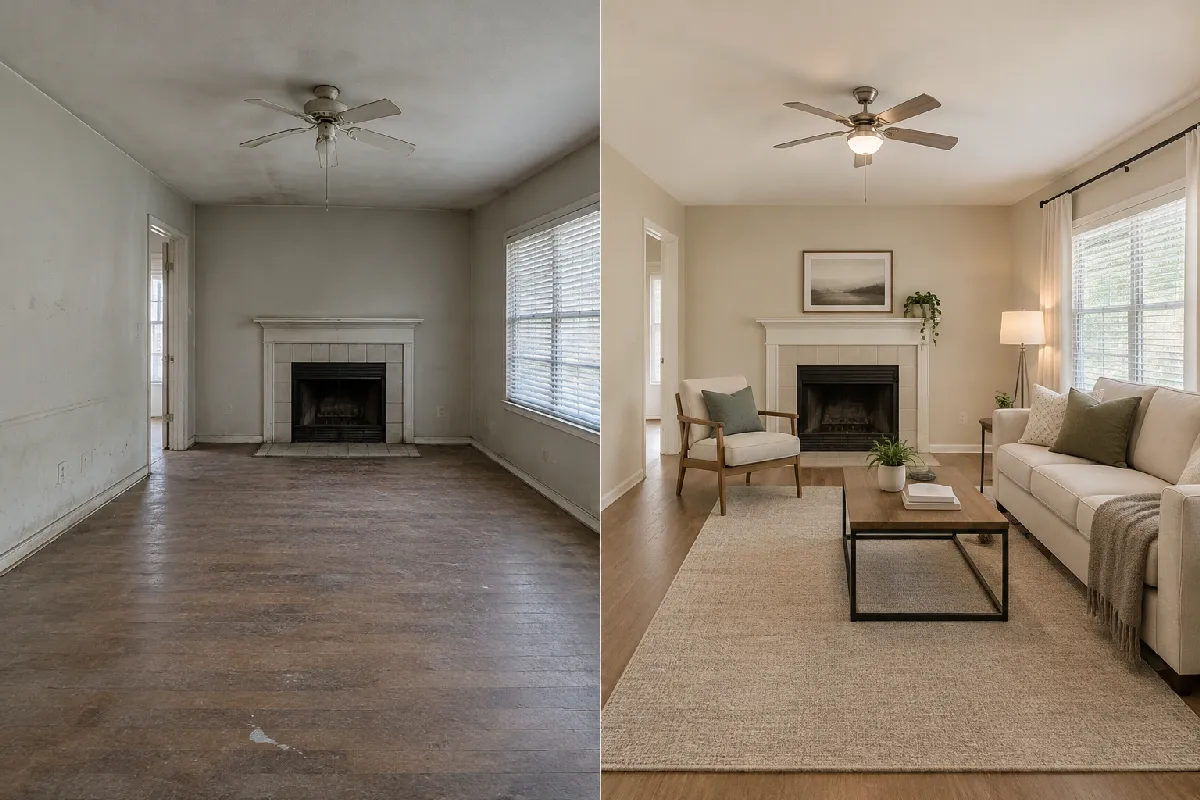
Path 3: Wait for a Lawful Vacancy, Then List
Waiting for a lawful vacancy can widen the buyer pool, including people who need to move in. Showings and photos improve. Repairs and a light refresh become practical, and possession at closing is easier to offer because you can deliver it. You pay for that with lost rent, carrying costs, and time risk if work, inspections, or financing run longer than expected.
This path tends to fit when the term is near its natural end, access is poor, the cosmetic upside is real, and you can carry the house long enough to court retail buyers.
Holding or refinancing is a fourth option if a sale is not required. That is a conversation with your adviser, not a default.
How to Compare Offers Without Chasing the Headline Price
The top-line price is the least reliable line on these offers. Read what the number assumes. Does the buyer need vacancy or immediate possession? What financing is in play, and how likely is it to close? On a cash offer, ask for proof of funds. Separate requested repairs from an as-is sale, and credits from work that would have to happen while the tenant is still there. Look at access expectations for inspections and the appraisal. Understand how the deposit, prepaid rent, and possession will be handled at closing. Note the timeline, any extension rights, rent proration, and obligations that would survive the close.
Then compare paths, not isolated prices. Lost rent, carrying costs, renovation time, showing friction, and the chance of a re-list all belong in the math. A lower investor offer can net more if it avoids a vacancy and a reconditioning period. A higher retail offer can net less if timing and cost eat the spread. Those are patterns to test against your file, not promises about a particular sale.

A Decision Checklist for Metro Atlanta Landlords
Start with the priority you will not compromise: net price, speed, the least disruption, or certainty of close. Most owners want all four. The useful step is naming which one gives way if they conflict.
Assemble the file before you invite offers: lease, amendments, rent ledger, deposit records, maintenance history, notices, and any side agreements. Inspect what will be priced—roof, HVAC, plumbing, electrical, moisture, and safety—and separate wear from deferred maintenance.
Test buyer fit with your broker. Ask who is likely to show up, how an occupied price compares with a vacant one, and what marketing and showing plan the lease will actually support. Map the calendar: remaining term, renewal windows, what can be done while occupied, and how long a turnover would take if you wait.
Set the three paths side by side on net result, not on asking price. Have counsel review lease and contract language before you commit to access, assignment, renewal or option terms, deposit handling, possession, or any early move-out. Depreciation recapture and a possible 1031 exchange belong with a tax adviser; do not treat a tax result as certain because a buyer mentioned it.
Then choose the path that fits the constraints you actually have, and market only what you can deliver.
Before You Commit
An occupied rental in Metro Atlanta can be sold. Whether you should list it that way, sell it to an investor, or wait depends on the lease, how the tenant will handle access, the condition, the buyers who will actually show up, and whether you are optimizing for price, speed, certainty, or a quiet process.
Keep the file straight, describe the occupancy accurately, and judge the options by what you are likely to net after time and cost. Before you spend money or lock in possession terms, it is worth knowing which of those factors will actually change the outcome. Talk with Greg about your situation.