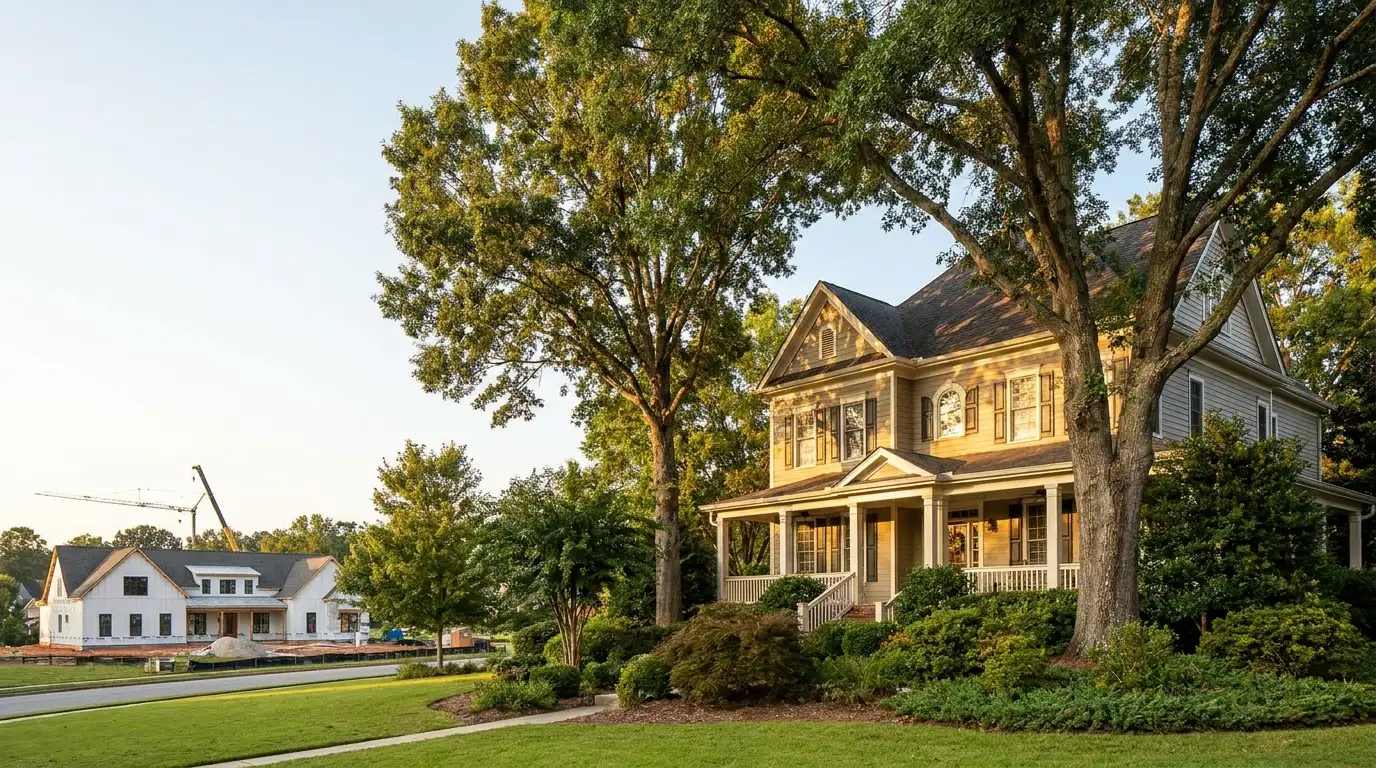
If you own a well-kept or partially updated home in Cumming or elsewhere in Forsyth County, you are often listed beside builder inventory and homes only a few years old. That is a pricing and presentation problem, not a reason to rebuild the house into a model. The useful work is narrower: name the homes a buyer can actually choose, make your real advantages visible, resolve the issues that undermine confidence, and price against that full set—not against new construction alone.
The decisions below are what to fix, what to leave alone, how to describe the house, and how to set a price when the same buyer is also walking new construction and newer resales.
Which homes is your buyer actually comparing?
Buyers rarely weigh “old” against “new” as categories. They compare specific houses they can buy, at prices and timelines that fit their situation. A pricing story that only answers a builder’s base price is answering the wrong question.
The three options that usually sit in the same search
For an established home in Forsyth, the competitive set typically includes:
- Builder inventory or homes nearing completion in nearby communities
- Recently built resales with newer systems and a move-in date that is already certain
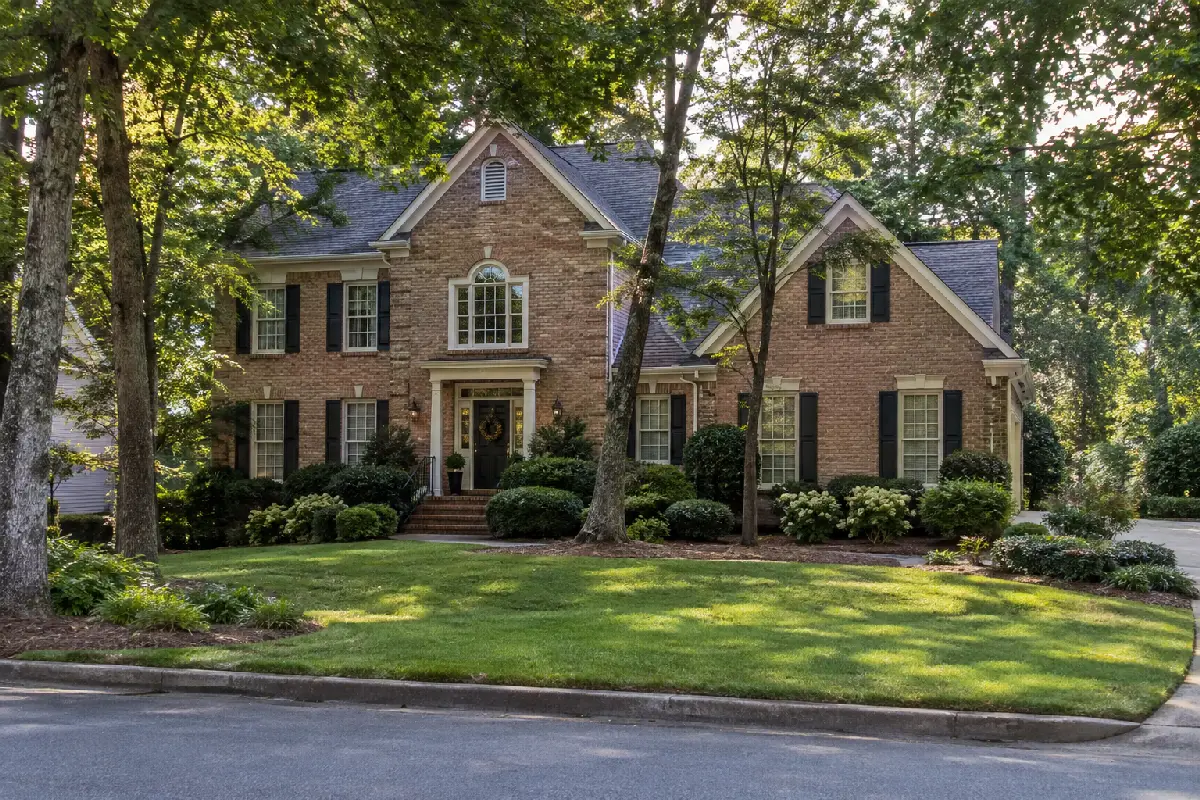
- Established-subdivision resales with mature lots and finished streets
All three can appear in one search. All three can shape how your house is read, and what a buyer expects to pay for it.
How to assemble that set before you price
Start with what builders actually have available now: which homes are released, what the base price includes, what is an upgrade, and when delivery is projected. Price, incentives, and availability change often. An outdated flyer is not a comparable.
Then pull active and recently closed resales that match your size, layout, and the school or commute context a buyer is using. Note the items that change the monthly picture: HOA dues, whether appliances and window treatments stay, whether the yard is finished, and what near-term maintenance a buyer is likely to inherit.
Why a home built a few years ago may be the harder comparison
A recent resale can offer current finishes and newer systems together with immediate occupancy and a completed yard. For many buyers, that package is easier to choose than a builder base price, a wait of several months, and a lot that still needs landscaping. Benchmarking only against new construction leaves out the rival that often sits closest to your listing.
What can an established home offer that a newer one cannot copy quickly?
Competing is not imitating. It is being precise about what this house gives a buyer that a builder package or a newer resale does not.
Advantages worth stating only if they are real
Depending on the property, those may include:
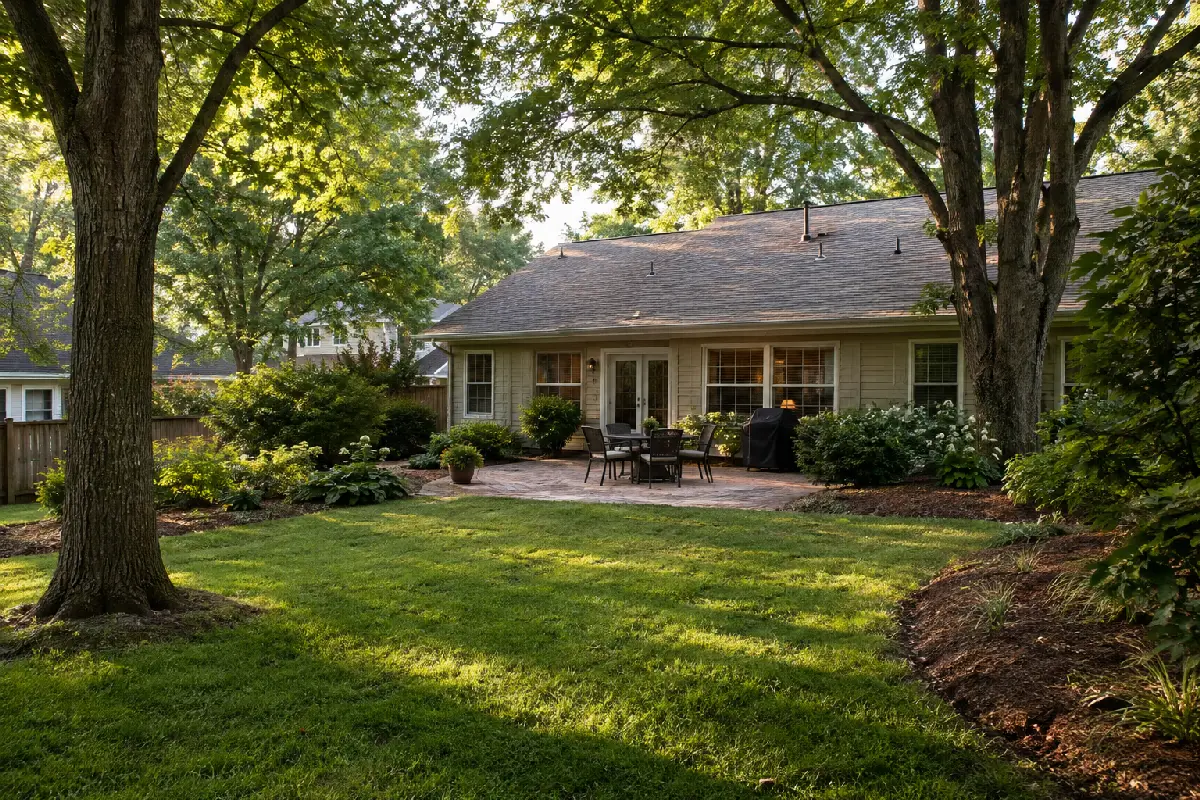
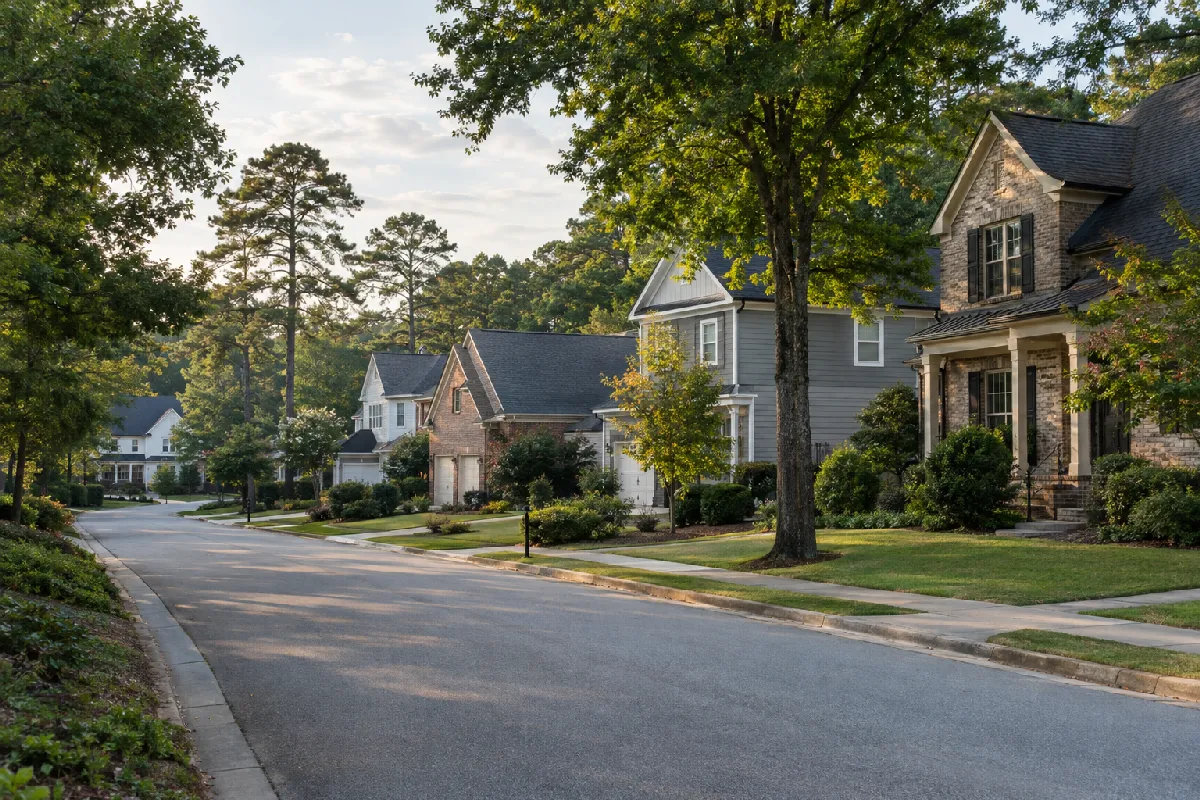
- Mature trees, privacy, and a yard that is already usable
- A settled street and surroundings a buyer can see, not imagine
- A floor plan that functions well even if it is not the current trend
- Improvements already done, so the buyer is not planning a second project
- A move-in date that does not depend on construction
- A location advantage, if this particular setting has one
None of these help if they are vague, or if the listing never shows them.
Make the difference visible
Photos and remarks should show the yard’s maturity, privacy, and how the outdoor space is actually used. Describe the daily benefit—shade, a finished lawn, a street that is already built out—rather than claiming the house is “like new.” A buyer who has just walked a graded lot will notice a finished backyard. The listing should not make them hunt for that difference.
Which objections threaten confidence, and which only affect price?
Not every dated finish is a deal problem. Some conditions make a buyer, a lender, or an insurer hesitate. Others are taste. Treating them the same way either wastes money or leaves a real risk unaddressed.
Conditions that deserve repair or a clear record
These tend to undermine confidence:
- A roof or HVAC system near the end of its service life
- Active leaks, rot, moisture, or drainage problems
- Electrical, plumbing, or safety defects
- Deteriorated decking, windows, or siding
- Work done without permits, or without paperwork a buyer can review
Left unexplained, these issues can stall financing or insurance, reopen the price after inspection, or simply make the house feel like a risk. Age alone is not the problem. Uncertainty is.
Preferences that presentation or price can carry
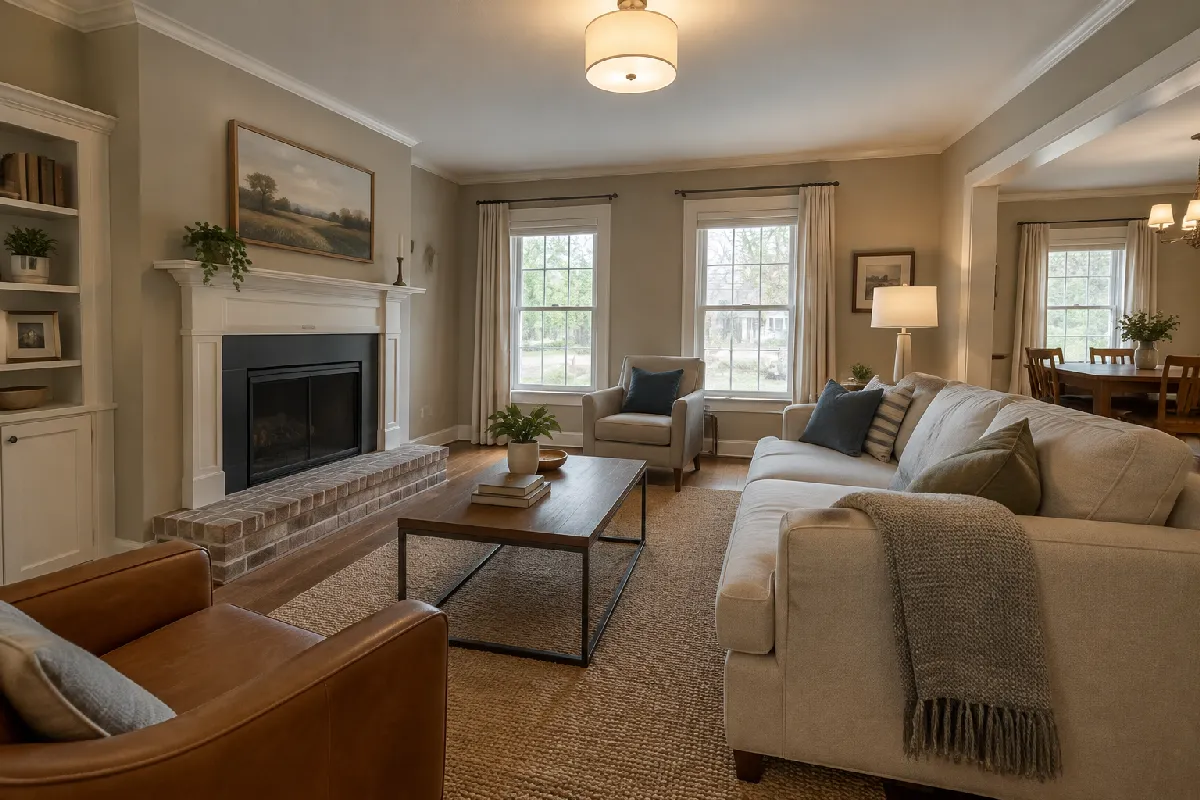
Paint colors, mixed finishes, and older counters or tile that are intact usually do not stop a sale. They change what a buyer expects to pay, and sometimes what they expect to live with for a while. A dated but coherent house is easier to price than a house that looks unfinished.
Four responses, and when each fits
For each objection, the practical choices are limited:
- Repair or replace when the item creates a credibility or safety gap a buyer should not have to absorb.
- Document with service records, permits, warranties, and invoices when the work is sound but not obvious.
- Present the house plainly—clean, lit, free of odor, and described without overstatement.
- Price or offer a credit when a repair is not practical before listing and the condition is disclosed.
Which tool fits depends on the objection, your timeline, and whether leaving it unresolved would make a reasonable buyer walk rather than negotiate.
What preparation helps without turning the house into a model?
Preparation here means removing obstacles and making existing strengths readable. It does not mean matching a design center.
Items worth handling before the first showing
Address safety issues, active leaks, and obvious deferred maintenance. Remove odors. Clean thoroughly. Replace dead bulbs, repair outlets that do not work, and fix sticky doors and similar small failures. Buyers use those details as evidence of how the rest of the house has been kept.
A short file that reduces friction later
Gather ages and service history for the roof, HVAC, and water heater. Add permits, warranties, and maintenance logs if you have them. You may not need every page at listing, but inspection and appraisal move more cleanly when the record is already assembled.
Small changes that can improve how the house reads
A limited scope is usually enough:
- Unify paint where it is patchy or clashes from room to room
- Replace a few worn or mismatched fixtures so the finishes feel intentional
- Tidy landscaping so the outdoor space reads as usable, not neglected
Keep the standard consistent. One renovated bathroom beside three tired ones can read as incomplete. A house with older finishes that are clean and consistent is often easier to trust.
Work that usually does not earn its cost here
A full kitchen or bath renovation undertaken only to imitate a builder package is a poor use of time and money in most of these situations. Islands, quartz, and smart-home packages can also overshoot the house, delay the listing, and leave finish levels uneven. Price from what comparable buyers are paying, not from what you spent. Renovation cost and market value are not the same number.
Should you improve selectively, or sell in current condition?
Some houses benefit from a short list of corrections. Others sell more cleanly if you stop at safety and disclosure and let price carry the rest. The decision turns on how visible the weaknesses are, whether they drag down the whole presentation, and whether you can fix them without missing the window that matters.
When a few targeted improvements are worth it
Consider the work if one or two visible problems pull the entire house down, and if you can correct confidence issues and bring the presentation to one standard without a material delay. The goal is a clearer house, not a different one.
When current condition is the more honest path
Selling as the house stands can be reasonable when it is functional but dated, when the lot or location is the stronger asset, or when time and construction complexity argue against remodeling. “Current condition” is a pricing and positioning choice. It is not a claim that the house is turnkey.
What current condition still requires
Even an as-is sale should deal with safety hazards and active problems that can stop inspection, insurance, or financing. Disclosures should be accurate, and documentation should be ready. Ignoring a known defect and hoping price will cover it is not the same as pricing and disclosing it.
How should you price against every option the buyer has?
A useful price starts from what a buyer can purchase today at a similar outlay, including homes that are newer than yours.
Closed sales set the range; current listings test it
Use established resales, recently built resales, and verified builder offerings. Do not build the number from what you have spent, from a desired net, or from a builder base price that leaves out upgrades, lot premiums, and wait time.
Check concessions and inclusions before you treat them as fact
Incentives, HOA structure, included appliances, and lot premiums change the comparison, and they differ by community. Verify them for the communities actually competing with this house. A general impression that builders are offering concessions is not a pricing input.
Price and presentation have to agree
The asking price should explain why this house, at this age and finish level, is a credible choice next to newer alternatives. If a buyer cannot see that on a tour, the gap is in the price, the presentation, or both.

How will inspection and appraisal treat an established home?
Older houses often draw closer attention to components that age, even when the house has been kept well. Planning for that scrutiny is part of pricing, not a separate crisis.
Where reviewers tend to look
Roof, HVAC, plumbing, electrical, windows, decks, drainage, and the quality of prior work are the usual points of pressure. The older the component, the more likely it is to be discussed. That is not a reason to replace everything. It is a reason to know the condition and have a response.
Whether a pre-listing inspection is worth it
A pre-listing inspection can surface problems while you still control the timeline, support cleaner disclosures, and let you scope repairs instead of negotiating them blind. It also creates a record you will need to handle carefully, including in what you disclose. It is most useful when condition is genuinely uncertain, and less useful when you already know the material issues and have decided how to price them.
How to lower the chance of a second negotiation
Give access, share service records, and price for the condition you are selling. Appraised value generally follows market evidence and condition, not what a renovation cost. A price set ahead of that evidence is what can produce an appraisal gap and a renewed negotiation.
A positioning checklist before you list
Work through these before the house goes live. The point is not a perfect score. It is to see where the story is thin.
- Competing inventory a buyer can purchase now, not last season
- Nearby new construction: availability, timing, and what the price includes
- Condition of systems, structure, and finishes
- Maintenance history: records, warranties, permits
- Lot and landscaping: maturity, privacy, and whether the yard is usable
- Floor plan: how it functions, not whether it is current
- Updates: whether finishes read as consistent
- Neighborhood: what the street and surroundings actually show
- Objections sorted into confidence problems and preference problems
- Preparation choice: must-fix, selective work, or current condition
- Price tested against closed sales and current alternatives, including verified builder terms
- Inspection and appraisal exposure anticipated, and documented where you can
- One clear, accurate reason to choose this house at this price
Working through the list will not set a sale date. It will show which gaps are still yours to close.
The test that matters
You do not have to out-new new construction to compete in Forsyth County. You do have to name the alternatives a buyer is weighing, show the advantages this house actually has, fix what undermines confidence, leave alone the projects that only imitate a builder finish, price against the full set, and expect inspection and appraisal to look at age.
The test is plain: can a reasonable buyer see one clear, honest reason to choose this house at this price today? If not, the gap is in preparation, positioning, or price. Adjust the one that is actually wrong.
If you are weighing preparation and price in Cumming or elsewhere in Forsyth County, seller representation can help you evaluate the house and the price in context.