
Selecting a broker for investment property is a different decision from choosing someone to open a door. You are asking for help framing judgments that involve real capital and real risk: rent assumptions, expense visibility, property condition, tenant situations, financing constraints, and eventual exit options. Access to listings matters. The quality of that judgment, and the discipline behind it, matter at least as much.
This guide covers what experienced investor-focused representation can include in Metro Atlanta, how it differs from ordinary residential buyer services, what sits inside and outside a broker's role, how compensation is typically handled under a written agreement, and the questions worth asking before you commit.
How Investor Representation Differs from Ordinary Buyer Agency
The questions change when you are buying for income rather than occupancy. School zones, commute times, and finishes that match personal taste give way to income potential, operating expenses, capital needs, vacancy risk, tenant quality, and how readily you can exit.
An investment-focused broker should screen against those questions, support underwriting with assumptions you can see and test, recognize risks that do not show up in listing photos, and negotiate terms that allocate risk—not simply chase the lowest price.
A strong residential agent can be excellent at helping a household find a home and still lack a working framework for a small duplex in a given submarket, or for a value-add single-family renovation. Cash flow after realistic expenses, contractor availability, permit timelines, and neighborhood resale demand are different problems from taste and livability.
The boundary of the role matters. The broker coordinates and frames decisions. Inspectors, contractors, lenders, property managers, appraisers, attorneys, accountants, and insurers each advise within their own responsibility. Representation organizes context and presses the right questions. It does not replace those specialists.

Strategy First: Clarify Goals and Build an Investment Filter
Before you look at a single property, decide what you are trying to accomplish. Steady cash flow, long-term appreciation, a renovation intended to support higher rents, and a BRRRR-style sequence—renovate, stabilize, refinance, and potentially extract capital—are different projects. So are a short hold and a long one, and self-management versus a property manager.
Treat the criteria as a filter, not a wish list. Start with property type: single-family, small multifamily, or mixed-use only where your lender confirms it may qualify for the financing you plan to use. Set a price range that fits your down payment and financing capacity. Be specific about renovation appetite—months of contractor coordination, or something closer to turnkey. Hold period, management approach, and financing constraints belong in the same filter.
Metro Atlanta submarkets differ by product type, tenant base, rent levels, property taxes, insurance costs, and rental restrictions. A neighborhood that fits single-family rentals may not fit small multifamily, and the reverse can also be true. Treat any such pattern as something to verify with current local information, not as a fixed fact. Some HOAs impose rental caps or minimum lease terms. The filter should follow where the strategy actually fits, not where listings happen to appear.
Finding, Screening, and Underwriting the Shortlist
Sourcing Channels an Investor-Focused Broker May Work
An investor-focused broker may work more than one channel. On-market options can include MLS-listed investment properties, small multifamily, and mixed-use buildings a lender confirms may fit residential financing. Off-market channels can include the broker's network, direct owner contact, and wholesalers.
Off-market is not automatically better, or better disclosed. Some opportunities are legitimate and well structured. Others come with incomplete disclosures, title complications, or pricing that does not justify the lack of competitive bidding. Ask which channels the brokerage actually covers, and how opportunities are vetted before they are presented. If you are comparing service models, you can review how investor services are structured to see the scope.
First-Pass Screening You Should See
Before detailed underwriting, the property should be run against your filter. Does the rent range fit? Do rough cap rate or cash-on-cash figures, built on assumptions you can see, suggest the deal deserves more time?
Red flags belong in that first pass: zoning or rental restrictions that block the intended use, HOA rental caps, flood-zone or insurance exposure the listing does not mention, tenant complications such as non-paying occupants or lease disputes, and title issues that could delay or prevent closing.
Make Assumptions Visible Before You're Committed
Rent, expenses, vacancy, and capital needs are assumptions. They should be written down, and testable, before you are emotionally or contractually committed.
Separate asking rent from achieved rent. What are comparable units actually leasing for, and on what terms? Are concessions common? Is demand seasonal? On a multifamily property, does the unit mix and condition support the rents in the model?
Expenses should cover property taxes, insurance, HOA fees, owner-paid utilities, management, routine maintenance, and reserves for capital work. Amounts vary across Metro Atlanta submarkets, and undercounting them can produce cash flow that is not really there. Verify local figures rather than borrowing a general range.
Vacancy and downtime often matter more than a small price difference. The time to re-lease a unit, or to finish a renovation, can affect return as much as a modest price adjustment, depending on carrying costs and the rest of the deal. Be specific about how long the property might sit empty, and what that period costs to carry.
The broker organizes this context and surfaces the questions. A property manager can test rent and expense assumptions against portfolio experience. An appraiser can provide formal rent comps and market analysis. An accountant can model tax treatment and cash-flow scenarios. Coordination is not a substitute for those opinions.
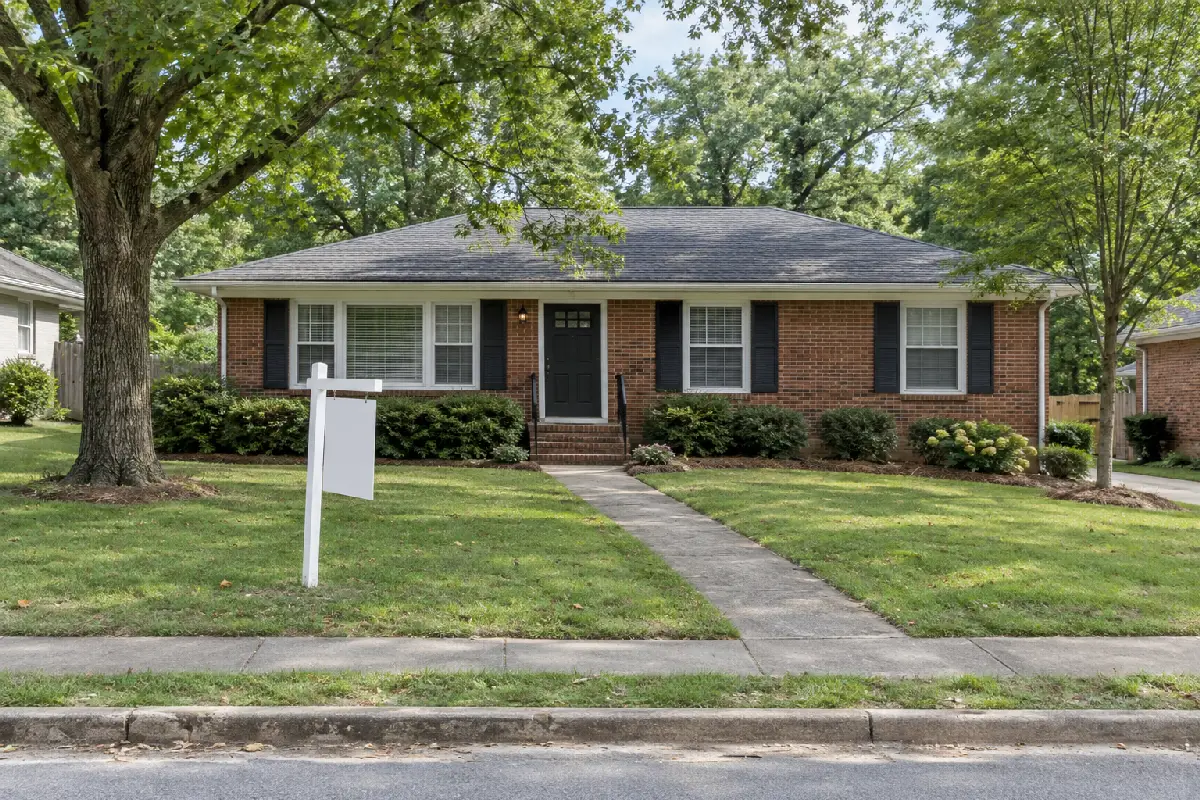
Condition, Renovation, and Exit Planning for Metro Atlanta Properties
Walkthroughs and Renovation Feasibility
On a walkthrough, a broker experienced with investment property can flag visible condition issues: roof age and condition, HVAC function, plumbing or electrical concerns, layout constraints, functional obsolescence, and likely contact with local permitting. That is a screen, not a scope of work.
Scope, budget, code compliance, and feasibility belong to licensed contractors and inspectors. If renovation is part of the thesis, get that input before the offer or the budget is treated as final.
Coordinating Contractor Access and Bids
Contractor access during due diligence reduces the chance of a re-trade, a scope surprise, or a budget that was never grounded. The broker can schedule walkthroughs, share photos and measurements, and help align a preliminary scope so bids describe the same work.
If renovation potential is central to the decision, it belongs in the underwriting before capital is committed. For more on how renovation potential affects property value and strategy, use that context alongside the numbers, not in place of them.
Exit and Resale Thinking
Even on a long hold, know which exits you could actually use. Paths investors often consider include stabilizing and holding for cash flow, renovating with the aim of supporting higher rent and continuing to hold, renovating with the aim of a higher resale price, or refinancing in an effort to extract equity after stabilization. None of these outcomes is assured.
Test that flexibility against the submarket. Does resale demand for this property type come from investors, owner-occupants, or both? How does tenant occupancy at sale affect marketability and buyer financing? What preparation would be required to list the property competitively?
No one can guarantee appreciation, resale price, or market timing. Financing conditions, interest rates, and local supply all influence the exit. Plan for flexibility rather than a single expected outcome.
Offer Strategy and Negotiation: Allocating Risk, Not Just Chasing a Price
Terms That Often Matter More Than a Small Price Delta
Many experienced investors treat contract terms as more consequential than a modest price difference. Diligence length, and access for inspectors and contractors, determine how much you can learn before you are committed. Delivery of leases, rent rolls, tenant estoppels, utility histories, permits, and repair records determines whether the assumptions can be checked at all.
Appraisal and financing provisions, closing timeline, and termination rights allocate risk. A lower price with a short diligence period and limited access may be riskier than a slightly higher price with time to validate condition, rents, and expenses.
Tenant and Lease Considerations
If the property is occupied, request lease copies, security deposit records, rent ledgers, and documentation of any notice requirements or ongoing disputes. Coordinate tenant access where the lease and local law permit it, and schedule inspections to limit disruption.
Legal questions about lease interpretation, notice compliance, and tenant rights belong with your attorney, not your broker.
Concessions vs. Price Changes
Seller-paid closing costs, repair credits, or included personal property can ease cash at closing. They are not the same as a lower purchase price. Lender rules and appraisal treatment of concessions vary. Your lender determines what is eligible. An appraiser may interpret comparables and may adjust for terms under the standards that apply to that assignment. Understand the financing effect before you trade price for a concession.

Due Diligence, Specialist Coordination, Financing, and Transaction Management
Organizing Due Diligence
Investment due diligence is partly a calendar: access scheduling, document requests, inspection sequence, and sometimes an environmental screen or another specialized assessment. The broker should keep that sequence organized so deadlines are met and specialists have what they need.
If you are out of state, photos, video walkthroughs, and summary notes are how decisions keep moving when you cannot be on site for every step.
Coordinating Professionals (Without Replacing Them)
A transaction may involve inspectors, surveyors, contractors, property managers, lenders, appraisers, title and closing attorneys, and insurers. Each is responsible for their own work. The broker coordinates and communicates. That is not a substitute for their advice.
Each party should know the assignment, have the information required, and understand the timeline.
Financing Communication
Align offer timing with the lender's readiness. Appraisal scheduling, condition tracking, and the documents the lender will need from you and from the seller should be clear before you are under contract pressure. Loan approval, rates, reserves, and underwriting belong to the lender. The broker helps coordinate. The lender decides.
Complex Property Situations
Some properties arrive with complications already attached: partial occupancy, inherited property, estate or title issues, code violations, permit gaps, or unusual HOA rules. Those files usually need more time, a wider professional team, and tighter contract terms.
If the issue is structural, legal, or situational, understanding how to approach complex property situations can help you decide whether to proceed and which safeguards belong in the contract.

Compensation and Agreements: How Investor Representation Is Typically Paid and Structured
The notes below describe common agreement topics in general terms for investors working in Georgia. They are not a statement of Georgia law, a mandated statewide fee structure, or an interpretation of license rules.
Get the Relationship in Writing
The agreement should define services, scope, duties, potential conflicts, and compensation. Compensation alone does not create the relationship or set its boundaries. Read it, and ask what is unclear, before you sign.
How Compensation Can Be Structured
Amount and method vary by agreement and by transaction. Do not assume another party will pay all, some, or any of the broker's compensation. Clarify when compensation is earned and payable, and what happens if a third party—such as a listing broker or a seller—offers to pay some or all of it.
Scope and Variability
A broader scope—off-market sourcing, heavy renovation coordination, or complicated diligence—may carry different compensation terms than a straightforward MLS purchase. If a deal does not close, agreements may treat compensation differently. Discuss those cases before work starts.
This is not legal advice. Consult your attorney for contract interpretation and negotiation.
What to Ask Before You Choose a Broker
Use these questions to compare how a broker actually works, not how the conversation sounds:
- Experience: Which Metro Atlanta submarkets and property types do you work with most for investors like me?
- Process: How do you build the initial underwriting and make assumptions visible before I'm committed?
- Rents and expenses: How do you develop rent comps and expense ranges, and who validates them?
- Condition: How do you handle contractor walkthroughs, scopes, and bids? What is excluded from your role?
- Negotiation: How do you negotiate risk in the terms, not just the price?
- Due diligence: Which professionals do you coordinate, and how do you manage the calendar and documents?
- Financing: How do you align offer terms with lender timelines and appraisal requirements?
- Conflicts: How do you handle multiple buyers interested in the same property, or potential conflicts such as dual agency or similar arrangements if they arise?
- Compensation: How are you compensated, by whom, when is it earned and payable, and what happens if the other side offers compensation?
- Judgment: Tell me about a time you advised an investor to pass on a property—and why.
If you want the fuller scope of what investor-focused representation can include, you can review investor services in detail. If you are also considering an owner-occupant purchase, general buyer representation services are structured differently.

Judge investor representation by the quality of the strategy, the screening, the visibility of assumptions, the way risk is negotiated, and the execution that follows—not by how easily a door opens or an offer is written. Match the scope to your strategy and to the property's complexity. Keep professional roles clear, and put services and compensation in writing. The questions above are there so you can choose before you are committed.
If you are refining an investment strategy or comparing representation in Metro Atlanta, review our Investor Services to see how the process lines up with the decisions you actually need to make.