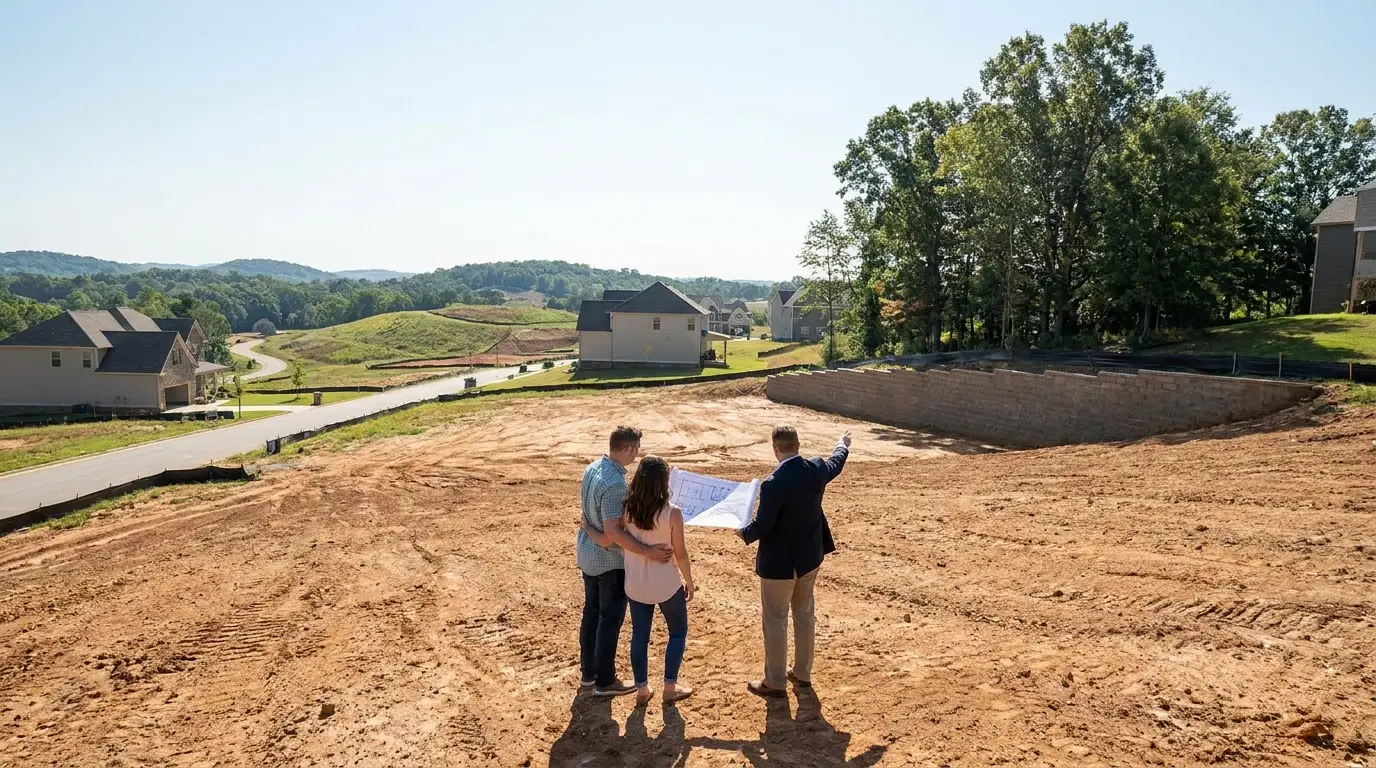
You can change cabinets and flooring later. You generally cannot relocate a drainage swale, lower a retaining wall, or leave a busy corner. In new construction, the homesite belongs in the same decision as the floor plan. Slope, usable yard, water flow, privacy, sunlight, road exposure, easements, and what gets built nearby will shape daily life, and they are what a future buyer will see.
Give the lot the same attention you give the plan and the finishes. Decide which tradeoffs you are willing to live with, which documents you need before you reserve, and whether a lot premium buys something your household will still want once you are living with it. This is practical guidance, not engineering. When site conditions are complex, involve an independent inspector and, if needed, a qualified engineer before you commit.
The Homesite Is Permanent—Why Lot Selection Deserves Floor‑Plan Attention
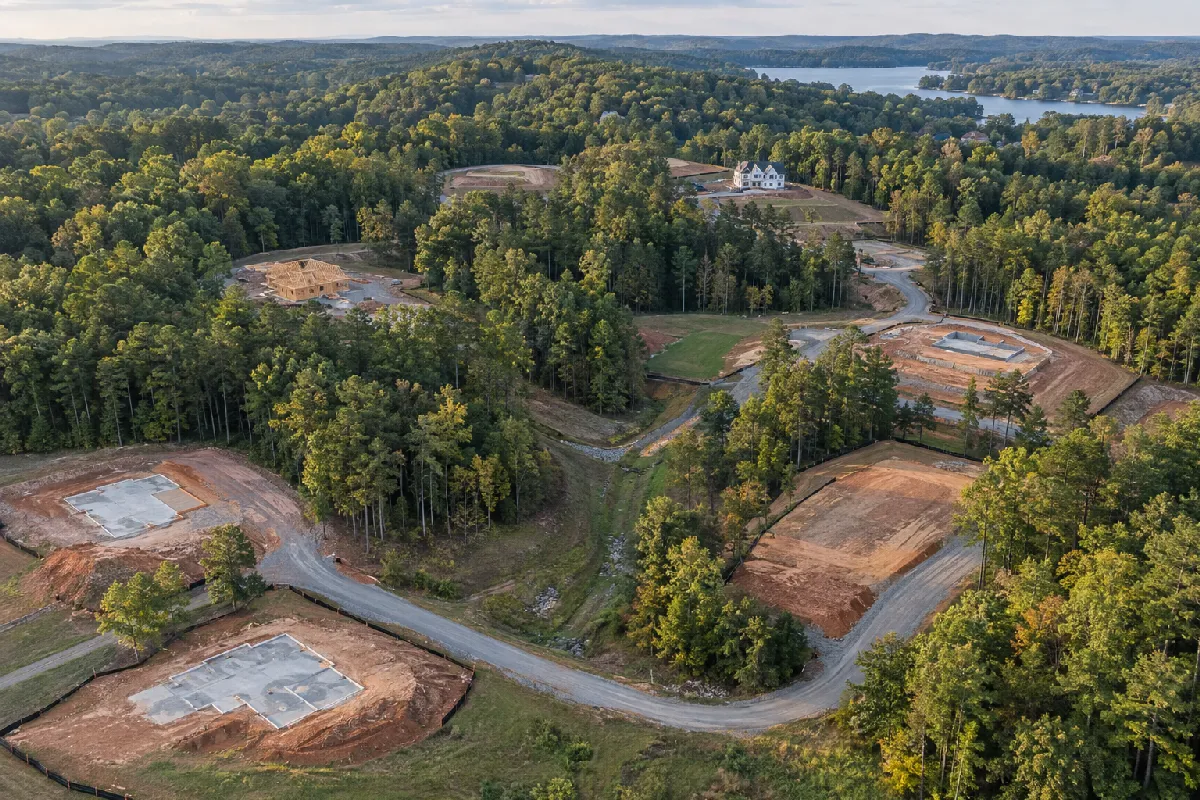
A sales map shows lines and prices. It does not show where a patio can actually sit, whether there is a usable run for children or a dog, how much afternoon heat reaches the main rooms, how close traffic comes, or how drainage will limit fencing and planting. Those are the choices the homesite is making, along with the explanation you will eventually give at resale.
Interior finishes are reversible. Most homesite facts are not. A sloped lot typically remains sloped. A retaining wall generally stays where it was built. A corner does not become an interior lot, and exposure to a collector road stays fixed unless a larger road project changes it. Treat the lot as a place to live and, later, a place to sell—not as a prize for the largest outline or the lowest figure on the price sheet.
Start With Plans, Not Just the Sales Map: What to Request and How to Walk the Lot
Before you reserve a homesite, read these documents as one set, not as separate handouts:
- Plat or preliminary plat
- Site plan showing the house footprint on the lot
- Setbacks and recorded easements
- Any grading or drainage information available
- Retaining wall locations
- Utility layout, including transformers, hydrants, and meters
- Tree-save, buffers, or conservation notes
- Amenity, mailbox, and guest-parking locations
- Future phases or adjacent tracts shown on plans
Then walk the lot, when you are permitted to and the site is safe. Stand where the main rooms and the patio are drawn. If you can, return at another hour, and after rain, to see how water moves and how traffic actually behaves. One visit will not prove performance. It will tell you whether the plans describe the ground you are standing on.
Renderings and sales maps are illustrations. Recorded plats, easements, and site plans are what govern. If those documents and the ground do not agree, or if you cannot tell what the grade, walls, or drainage notes are saying, pause before the reservation does the deciding for you.

Topography, Driveways, and Retaining Walls: Judge Usable Yard, Not Just Lot Size
Lot size on paper and usable yard are different measures. After the house, driveway, walks, setbacks, swales, and any walls, how much relatively level ground is left for play, pets, and a patio? Can you reach and mow the rear or side yard safely? Is the driveway slope comfortable on an ordinary day, including when the pavement is wet?
A level rear yard and a walkout are preferences, not rankings. Level ground is easier to use, easier to maintain, and easier for a later buyer to understand. A walkout, a daylight basement, or an elevated rear yard can offer separation and a view, at the cost of stairs, terraces, or walls. Match the grade to how your household uses the outdoors, not to which rendering looks stronger.
Retaining walls function as permanent structure in ordinary ownership. Note location, approximate height, any tiers, and materials if they are known. Confirm whether the wall sits on your lot or in common area, and who maintains it. Look for drainage outlets, the access strip behind the wall, and how visible the wall is from the street. A tall or multi-tier wall is a reason to request the drawings, not a detail to accept from the sidewalk.
Drainage, Stormwater, and Easements: How the System Affects Daily Use
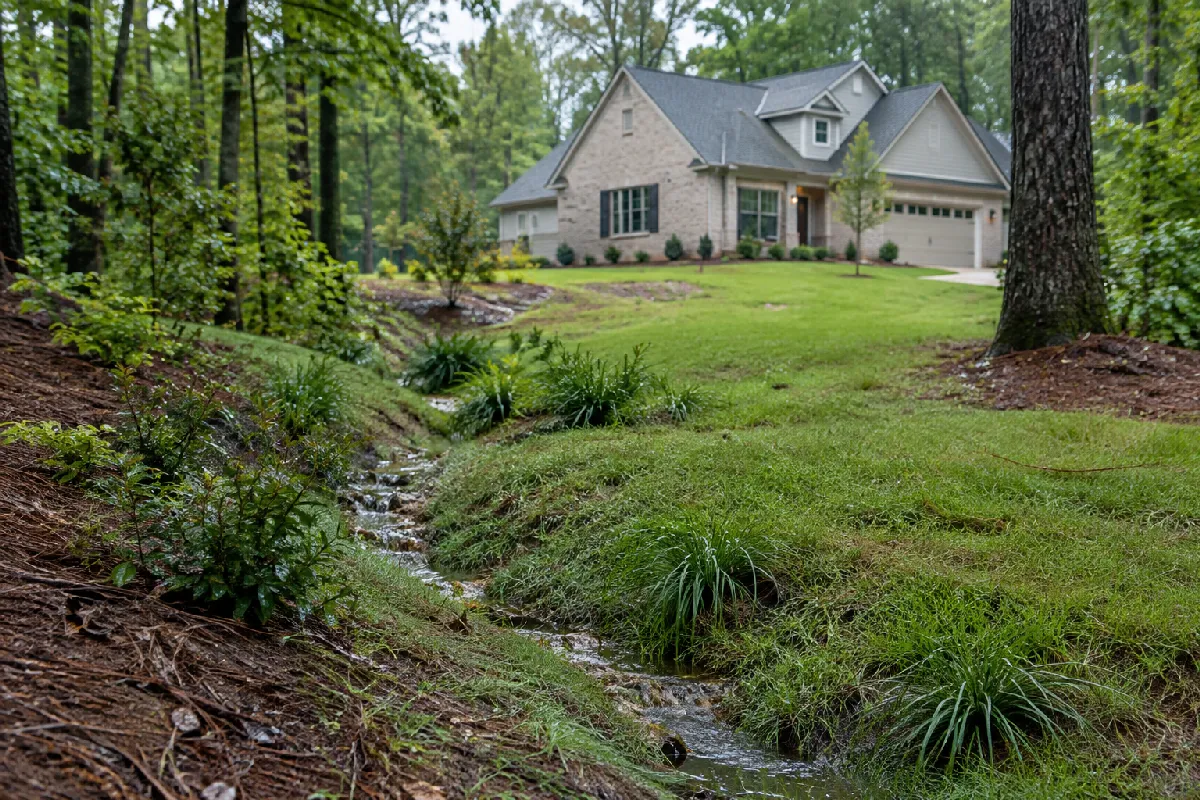
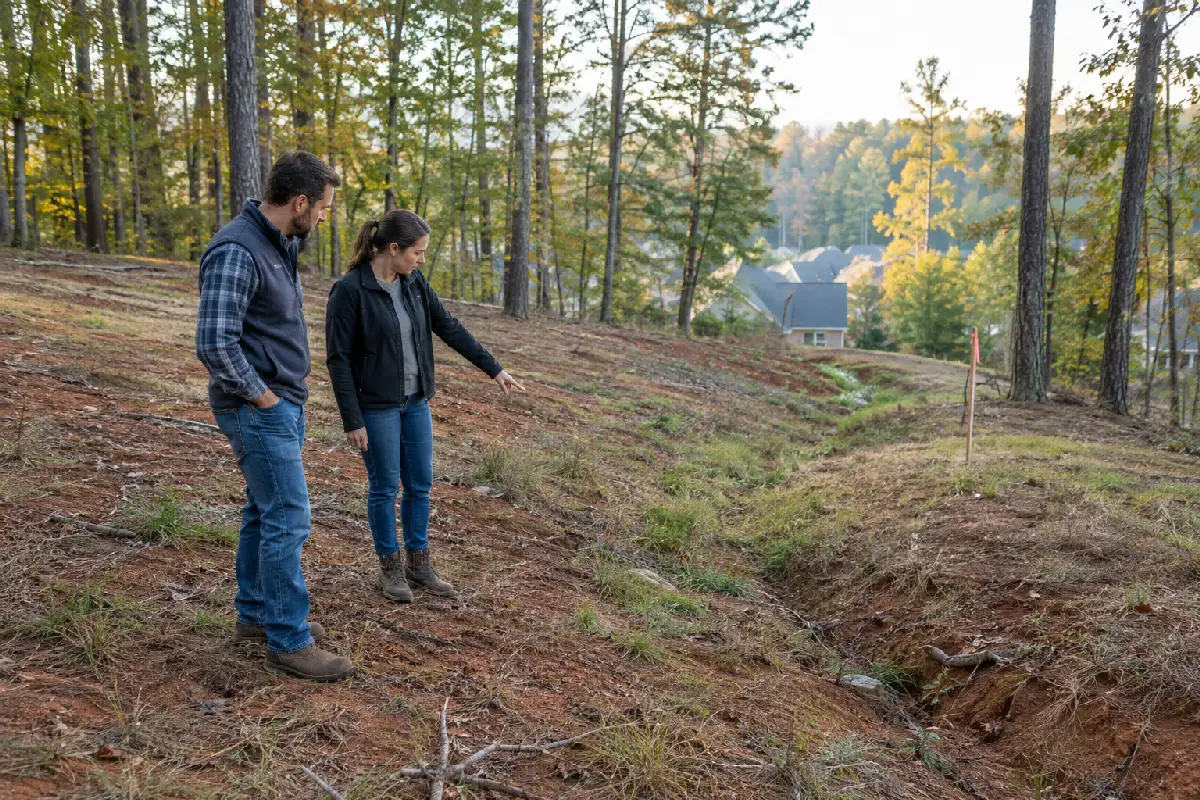
Read drainage as a system. Ask where water is intended to enter the lot, cross it, and leave—by swale, inlet, pipe, culvert, or drainage easement—and whether neighboring lots are designed to drain toward yours.
Those paths affect fence lines, patio placement, planting, and which parts of the yard are realistic for play. They also affect access. Depending on its type and recorded terms, an easement may allow a utility, the community, or another party onto the yard for maintenance. Know that before you plan a fence across the swale or treat a grassy strip as fully yours to enclose.
A walk after rain can show standing water, soft ground, or erosion that a dry visit will miss. It is still one observation, not a performance test. There is no universal grade rule that settles the question from the curb. If the flow is unclear, have the builder walk the drainage information with you, and get independent review when the concern is more than a cosmetic low spot.
Sunlight, Privacy, and What's Beyond the Property Line
Orientation is a comfort question. Note when sun reaches the living areas and the patio, how much summer heat that patio will take, and what shade will come from trees you can count on and from houses that are not built yet. A west-facing rear yard is not automatically a mistake, and a shaded lot is not automatically a bargain. The fit depends on when your household is actually in those rooms.
Privacy has height as well as width. Check window-to-window alignment, second-story overlooking, where decks and patios face, where the sidewalk runs, and how grade changes the sightlines. A neighbor's upper windows or deck can look directly into the main rooms. A lot that sits below the street, or above the lots behind it, will feel more or less private than the plat dimensions suggest.
A wooded edge or a vacant tract is not a permanent buffer unless it is recorded as common area, a buffer, or conservation land. Communities in Cumming and Forsyth County are often built in phases. Check current city or county records, and the plans for later sections, before you treat open ground as a view you own. What looks unfinished today may be the next street, a road, or a stormwater facility.
Street Position, Amenities, and Everyday Infrastructure: Interior, Corner, Cul‑de‑Sac, Perimeter, and More
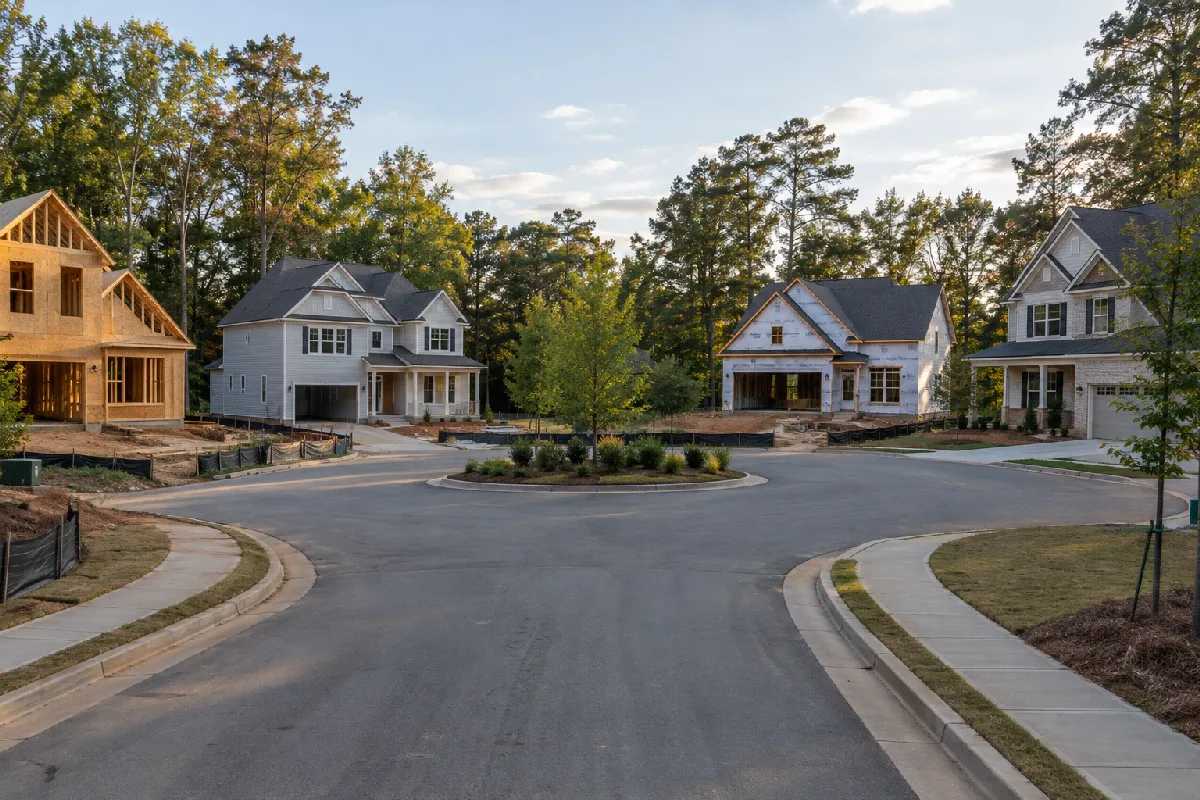
Interior lots usually offer more predictable street exposure. They also bring closer neighbors and more windows facing windows. That consistency suits some households and feels limiting to others. Walk the side yards with both houses, or both planned footprints, in mind.
Cul-de-sac lots typically see less through traffic. The tradeoff is shape. The lot can look generous from curb to curb and leave a smaller usable yard once the house is placed. Headlights and guest cars often collect at the bulb and sweep the same windows each evening. Judge the lot from the future footprint, not the curb line, and see it after dark.
Corner lots can mean more light and one fewer side neighbor. They also mean more frontage to maintain, more visibility, more sidewalk, and possible limits on fence height or placement along both street sides. Those limits depend on the builder's standards and local ordinances. Confirm both before you price the corner as extra privacy.
Perimeter lots may feel separated, or they may back to woods. They can also back to a future road, a utility corridor, commercial use, or a drainage feature at the community edge. The view from the lot line is not the plan. Confirm what sits outside the boundary, and whether that edge is likely to stay as it looks now.
Lots near amenities, trails, or mailbox clusters buy convenience and import noise, lighting, foot traffic, and parking. A lot behind a pool or playground can be the right choice for a household with young children and the wrong one for someone who wants a quiet yard. Price the proximity for the way you use the outdoors, not for the amenity name.
Then locate the infrastructure sales maps underplay: entrance and collector roads, construction access while later phases are underway, bus and delivery patterns, streetlights, hydrants, transformers, utility boxes, and detention areas or outfalls. Pull locations from the plans and confirm them on the ground, at more than one time of day.
Pricing the Premium With Resale in Mind
A premium is easier to justify when it buys something durable: usable yard, a driveway slope you can live with, privacy the documents support, an orientation your household will actually use, and limited traffic exposure. Those traits can make ownership more comfortable, and some of them may matter to a later buyer. Outcomes still depend on the buyer and the market.
Be slower to pay for a benefit that is temporary or narrowly personal. A view across land that is not protected, a lot that is large only because it is steep, or a feature only a small set of buyers will want often does not travel with the house. A premium that feels obvious in the sales office may be invisible once the listing is simply a house and a yard.
Compare homesites, not the premium in isolation. Look at other lots in the same community and at similar houses nearby. Scarcity inside one neighborhood is not the same as broad buyer support. If corners or cul-de-sacs carry a clear premium, ask whether the practical difference is large enough for your household. Lot type does not carry a known resale payoff. Judge the number by what a future buyer can still see and use.
Quick Lot‑Selection Checklist for Cumming and Forsyth County Buyers
Documents and Records
- Plat or preliminary plat, read with the site plan and house footprint
- Setbacks and recorded easements
- Grading and drainage information, if the builder has it
- Retaining wall locations, height, and maintenance responsibility
- Utility plan: transformers, hydrants, meters, and boxes
- Tree-save, buffer, and conservation notes
- Amenity, mailbox, and guest-parking locations
- Future phases and adjacent tracts
Site Visits
- Walk the lot only when it is safe and permitted
- Stand where the main rooms and patio will be
- Visit at more than one time of day
- Return after rain if you can
- Note traffic, noise, and where headlights sweep
Topography and Usability
- Judge usable yard after the house, driveway, walks, setbacks, and swales
- Test driveway slope against daily use, not a dry tour
- Confirm you can reach and maintain the rear and side yards
- Note wall height, tiers, drainage outlets, and who maintains the wall
Drainage and Water Management
- Trace where water enters, crosses, and leaves the lot
- Ask whether neighboring lots drain toward yours
- Locate swales, inlets, pipes, culverts, and drainage easements
- Clarify who maintains nearby stormwater features, and whether access crosses the yard
Sunlight and Privacy
- Note when sun reaches living areas and the patio, including summer heat
- Check window alignment, upper-floor overlooking, and deck orientation
- Confirm buffers and conservation areas in the recorded documents
- Check future phases and adjacent plans in current city or county records
Street Position and Surroundings
- Judge interior, corner, cul-de-sac, or perimeter traits from the house footprint
- Locate amenities, trails, mailboxes, and guest parking relative to outdoor rooms
- Mark entrance roads, streetlights, hydrants, transformers, and utility boxes
- Confirm what sits beyond the community boundary, and whether it is protected
Premium Justification
- Compare practical benefits across homesites, including nearby communities
- Weigh the premium against daily use first, and only then against possible resale support
- Do not pay a lasting premium for a temporary view or a feature only you will prize
Professional Review
- If grade, walls, or drainage are hard to read, involve an independent inspector before you reserve
- If the concern is structural or about water management, consult a qualified engineer
- Treat renderings and sales maps as illustrations; recorded documents govern
Before you commit, separate the characteristics that will shape ordinary days from the ones that only look settled on a site plan. A careful lot choice can support comfort now and, in some cases, the way the house shows later. No lot characteristic guarantees a financial result. Talk with Greg about your situation if you want to walk through lot selection or a new-construction plan in Cumming or Forsyth County.