
Bye-Bye Bidding Wars with Wall Street? What the 2026 Executive Order Means for Homebuyers, Sellers, and Rookie Investors
On January 20, 2026, the housing market conversation shifted dramatically. President Trump signed an executive order titled "Stopping Wall Street from Competing with Main Street Homebuyers," designed to pull large institutional investors—think private equity funds, REITs, and hedge funds—out of competition for the single-family homes that everyday families want to buy. If you've been sitting on the sidelines wondering when you'd finally get a fair shot at homeownership, or if you're a beginner investor worried about getting squeezed out by deep-pocketed corporations, this order could reshape your strategy.
Why should you care? Because this isn't just a policy tweak—it's a deliberate rebalancing of who gets priority when a house hits the market. For first-time buyers tired of losing to all-cash offers, this could mean breathing room. For sellers, it may shift your target buyer profile. And for aspiring investors, it clarifies where opportunity still exists and where the rules just changed. This guide breaks down exactly what the order does, the real-world impacts corporate buyers have had on housing supply and demand, who wins and loses, and—most importantly—what concrete steps you can take right now, whether you're buying your first home, selling a property, or launching your investing journey. If you're looking for structured guidance as you navigate this new landscape, our Real Estate Launchpad Program helps beginners build confidence and strategy in any market condition.

The Basics — What the Executive Order Actually Does (and Doesn't)
Let's cut through the noise. This executive order targets large institutional investors—the billion-dollar funds that swept into markets after 2008 and started buying single-family homes by the thousands. The big idea is simple: prioritize individual owner-occupants over Wall Street in the single-family rental (SFR) market, especially where federal programs touch the transaction.
The Big Idea
The order restricts large institutional investors from purchasing single-family homes via federally connected channels. That means if a property sale involves federal insurance (FHA, VA, USDA loans), federal guarantees (Fannie Mae and Freddie Mac securitization), or federal facilitation (like HUD-owned foreclosures), big institutional buyers are supposed to be shut out. The goal is to stop well-capitalized funds from using their speed, scale, and cash advantages to outbid families trying to buy a home to live in.
How It Gets Enforced
The White House directed multiple federal agencies to implement this vision within roughly 60 days. Here's what they're tasked with:
- Stop approving, insuring, guaranteeing, or securitizing sales of single-family homes to large institutional investors through HUD, FHA, VA, USDA, FHFA, and Treasury channels.
- Roll out "first-look" windows so individuals can purchase certain properties—especially foreclosures and REO (real estate owned) inventory—before investors get a chance.
- Add disclosure and anti-circumvention rules so big buyers can't hide behind shell companies or complex ownership webs to dodge the restrictions.
- Step up antitrust scrutiny of large portfolio acquisitions in the single-family rental market, with the Attorney General and FTC prioritizing enforcement actions.
This isn't a suggestion—it's a directive with teeth. Agencies must issue guidance preventing federal programs from facilitating these transactions and must demand ownership disclosures from anyone participating in federal housing assistance who owns single-family rentals.
Key Definitions Coming Soon
Here's where uncertainty lives: Treasury has 30 days from the order to define what counts as a "large institutional investor" and what qualifies as a "single-family home." Will "large" mean 100 properties? 1,000? Will it include affiliates and look-through provisions to catch complex structures? These definitions will determine who's actually covered. If the threshold is set high, many mid-sized operators might slip through. If it's set low and includes affiliates, the net widens significantly.
What's Excluded
There's a narrow carve-out: true build-to-rent (BTR) communities that were planned, permitted, financed, and constructed as rental housing from the start. If you're a developer who builds an entire neighborhood designed to be rented—not converting existing homes—you may still proceed. This exception recognizes that purpose-built rental housing adds to overall supply rather than converting owner-occupied stock.
The Mortgage-Rate Assist
To sweeten affordability, the order directs Fannie Mae and Freddie Mac to purchase up to $200 billion in mortgage-backed securities. The aim is to increase demand for mortgages, which typically nudges interest rates lower. For buyers, even a quarter-point drop in rates can mean thousands saved over the life of a loan and a lower monthly payment that fits your budget.
What This Is Not
Let's be clear about limits. This is not a total ban on all investors. Mom-and-pop landlords, small-scale investors, and anyone not meeting the "large institutional" threshold can still buy. It's not a fix for zoning restrictions, labor shortages, or material costs—those supply-side bottlenecks remain. And it's not permanent law yet. It's executive guidance that a future administration could revise. The White House is preparing legislative recommendations to codify these restrictions in statute, but that's a separate political fight in Congress.

Historical Perspective — How We Got Here
To understand why this order exists, you need context. Corporate ownership of single-family homes wasn't always a major factor in U.S. housing markets. That changed after the 2008 financial crisis.
Post-2008 Playbook
When the housing bubble burst, foreclosures flooded the market. Institutional investors with access to cheap capital saw an opportunity: buy distressed homes in bulk, renovate them, and convert entire neighborhoods into rental portfolios. Companies like Invitation Homes and American Homes 4 Rent scaled rapidly, especially in Sun Belt metros where prices had crashed and rental demand was strong. What started as opportunistic bargain-hunting became a permanent business model—single-family rental at scale.
How Big Is Big, Really?
Nationally, institutional owners represent a relatively small slice of the total single-family housing stock—estimates hover around 3-5% of all homes. But that average masks dramatic regional concentration. In fast-growing metros like Phoenix, Atlanta, Charlotte, and Tampa, institutional buyers have captured double-digit shares of certain submarkets, particularly in the starter-home price bands where first-time buyers compete. When a neighborhood sees 20% of its sales go to one or two large funds, the competitive dynamic shifts noticeably.
What Studies Have Generally Found (Pre-2026 Context)
Research on institutional investor impacts has produced mixed conclusions. At the national level, price effects appear modest—too diffuse to move the needle significantly. But zoom into tight submarkets where these buyers cluster, and the story changes. Well-capitalized buyers can close quickly with cash, skip inspection contingencies, and outbid families who need financing. This speed and certainty advantage tilts the playing field, especially in hot markets with limited inventory.
On the supply side, institutional investors do add rental housing, which can ease rental market tightness. But they remove properties from the for-sale inventory permanently, shrinking the pool of homes available for ownership. For first-time buyers trying to build wealth through homeownership, that trade-off stings.
What the Record Doesn't Show Clearly
Precise, up-to-the-minute numbers for 2026 by market and ZIP code aren't widely available yet. And it's hard to cleanly separate institutional investor effects from broader forces—mortgage rates, chronic underbuilding, migration patterns, and restrictive zoning all shape prices and supply simultaneously. What the White House argues—and what many buyers feel—is that large institutional buying has intensified competition and reduced accessible supply in key markets, particularly for starter homes.
Current Market Opinions and Trends
Opinion on this executive order splits along predictable lines, but the debate is more nuanced than "good versus bad."
Supporters' Case
Advocates argue that large investors crowd out families and shrink the for-sale inventory in targeted areas. By prioritizing individuals through first-look windows and restricting federal program support for institutional purchases, the order aims to restore balance. The mortgage-rate component amplifies affordability gains, making monthly payments more manageable. Credit unions and housing advocates have largely endorsed the move, viewing homeownership as central to wealth-building and community stability.
Skeptics' Concerns
Critics raise legitimate questions. If big buyers reduce acquisitions, where does rental supply come from? Institutional investors have been significant sources of quality single-family rentals, particularly in markets where new construction lags. Pulling them back could tighten rental inventory and push rents higher, hurting renters. Builders also worry about losing reliable bulk buyers who finance large projects and absorb inventory quickly. If retail sales slow, some projects might become financially unviable.
Another concern is definitional loopholes. Without tight anti-circumvention rules, large investors could break portfolios into smaller entities or use nominee buyers to sidestep restrictions. The effectiveness hinges on how aggressively agencies enforce look-through provisions.
Industry Watchpoints
Key stakeholders are recalibrating strategies. Builders are evaluating whether to pivot toward retail buyer products and entry-level homes rather than relying on bulk sales. Lenders and agents are preparing for first-look processes and verification of buyer type. Institutional capital may rotate into build-to-rent communities that qualify for the exception, multifamily projects, or other asset classes entirely. The next few months will reveal how these players adapt.

Challenges and Controversies
No policy shift of this magnitude arrives without friction. Several challenges and controversies will shape how this order plays out in practice.
The Definitional Knife's Edge
Where Treasury draws the line for "large institutional investor" will make or break the order's scope. Does it capture private equity funds only, or also large family offices and regional operators? How are affiliates counted—by common ownership, financing sources, or operational control? If the threshold is too high, much of the market remains unchanged. If too low, unintended targets get caught.
Anti-Circumvention and Shell Games
Sophisticated investors employ complex ownership structures for tax, liability, and financing reasons. Without robust look-through rules and enforcement, entities can splinter portfolios into dozens of smaller LLCs to stay under thresholds. Agencies must demand full ownership disclosure and penalize circumvention attempts, or the order becomes a paperwork shuffle.
Rental Supply Trade-Offs
Institutional investors have added rental supply in neighborhoods where owner-occupied homes were converted or newly built homes were purchased for rental. If those buyers step back, who replaces that rental inventory? Individual landlords may not have the capital or appetite to fill the gap quickly. In the short term, rental supply could tighten, potentially pushing rents higher and squeezing renters who can't yet afford to buy.
Rehab and Distressed Property Pipeline
Large investors often have the capital and expertise to tackle heavy rehab projects—properties that sit vacant or distressed because individual buyers can't secure renovation financing or manage contractors. If institutional buyers step back from these properties, communities risk more blight and slower neighborhood recovery unless other capital sources emerge.
Federal Rules vs. Local Realities
Executive action can reshape federal program rules, but it can't override local zoning, labor shortages, or material cost inflation. If a market's affordability crisis stems from chronic underbuilding due to restrictive land use regulations, limiting institutional buyers won't solve the root problem. Supply constraints remain the fundamental driver of price pressure in many metros.
Legal and Political Durability
Executive orders can be revised or rescinded by future administrations. Guidance issued by federal agencies can be updated. For the policy to have lasting impact, Congress would need to codify it into statute. The White House has been tasked with preparing legislative recommendations, but passing laws requires bipartisan support and navigating political headwinds. Until then, the order's permanence is uncertain.
Market Liquidity and Pricing
Fewer cash buyers could reduce bidding intensity, which may help affordability. But it could also slow market absorption in some segments, particularly if first-time buyers face credit or down payment constraints even with improved access. The net effect on prices depends on how many buyers step into the space vacated by institutions and how quickly mortgage rates respond to the GSE purchasing program.
Likely Results If the Rules Stick
Projecting outcomes requires looking at short-term and medium-term horizons, acknowledging that full effects will take years to materialize and depend heavily on enforcement and complementary policies.
Short-Term (Next 3–9 Months)
In the immediate term, first-look windows on eligible properties will give individual buyers more breathing room. Foreclosures, REO inventory, and homes financed through federal programs will come to market with a period—often 10-30 days—where only owner-occupants can bid. This reduces the pressure of competing against all-cash institutional offers on those properties.
You'll also see slightly fewer institutional bids in federally connected channels as agencies issue guidance and investors adjust strategies. Mortgage rates may get a small tailwind from the $200 billion in GSE purchases, potentially dropping rates a quarter-point or more if market conditions cooperate. That translates to real monthly savings for buyers.
Medium-Term (1–3 Years)
Over the next few years, expect capital rotation. Institutional investors will focus more on build-to-rent communities that meet the exception criteria, multifamily projects, and markets or property types not dependent on federal channels. They won't disappear—they'll adapt. Owner-occupancy rates could tick up modestly in ZIP codes where investors had been heavy buyers, particularly in starter-home price bands.
Price effects will be localized. In submarkets where institutional buying was intense, you may see modest cooling of bidding wars and a slight uptick in inventory as fewer properties are pulled into rental portfolios. In markets where institutional presence was minimal, the order will have little impact. Broader fundamentals—interest rates, employment, and new construction—will still dominate price trends.
Who Likely Benefits
First-time buyers, especially those using FHA or VA loans, stand to gain the most. First-look access to foreclosures and REO properties, combined with potentially lower rates, improves their competitive position. Families targeting starter homes in investor-heavy metros will face less all-cash competition. Sellers in family-oriented neighborhoods who market directly to owner-occupants may see more stable demand and smoother transactions with fewer investor lowball offers.
Who Could Be Hurt or Need to Adapt
Builders who relied on bulk sales to institutional buyers will need to pivot toward retail marketing and entry-level product. Large SFR aggregators growing via federal channels will face headwinds and must find alternative acquisition paths or focus on exempt BTR projects. Renters in areas where institutional purchases had added rental supply might see tighter availability and upward rent pressure if that inventory isn't replaced. Investors doing heavy rehabs may find fewer distressed properties if institutions step back from that niche.
Regions to Watch
Keep an eye on Sun Belt metros with high institutional investor activity—Phoenix, Atlanta, Charlotte, Tampa, Jacksonville, and parts of Texas. Fast-growing suburbs with limited starter-home supply will show the clearest effects. Markets with frequent REO pipelines, like those still working through legacy foreclosures or new distress, will be laboratories for first-look policy effectiveness.
If you're navigating these shifts and want a clear roadmap tailored to your market and goals, download our First Deal Confidence Kit to get checklists, buyer strategies, and investor frameworks designed for beginners in any policy environment.
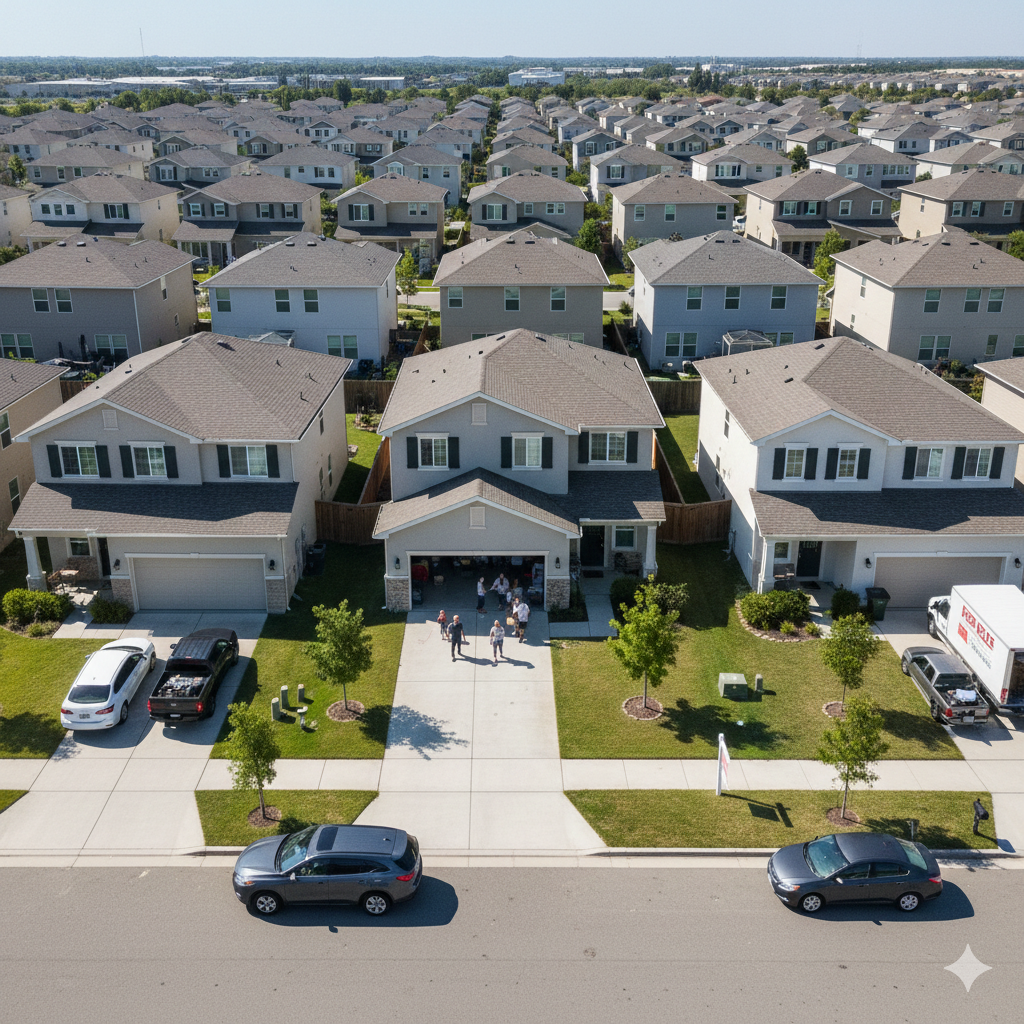
Future Opportunities — Where Smart Money (and Smart Buyers) Can Win
Policy shifts create winners and losers, but they also create opportunity. Here's where to focus your energy and capital in the post-order landscape.
For Homebuyers
Use first-look periods strategically. Set alerts for HUD HomePath, Fannie Mae HomePath, Freddie Mac HomeSteps, and VA foreclosure listings. Know each program's first-look timelines—typically 10-30 days for owner-occupants—and have your financing pre-approved so you can move quickly. Shop properties that would have been snapped up by investors before they even hit the open market.
Pair improved rate options with down payment assistance programs and explore assumable mortgages where available. FHA and VA loans are assumable, meaning if the seller has one of those loans at a lower rate, you might be able to take it over. In a higher-rate environment, that's a huge advantage. Ask your agent and lender to identify assumable loan opportunities early.
For Home Sellers
Lean into owner-occupant marketing. Emphasize livability features—updated kitchens, good school districts, community amenities, move-in-ready condition—rather than cash-flow metrics or investor appeal. Price for the retail buyer, not the bulk buyer looking for a discount. If your home has an FHA or VA loan, highlight assumability in your listing and publish payment estimates at your current rate to attract buyers.
Time your listing to coincide with local buyer demand cycles and offer concessions that help with closing costs or rate buydowns. Families appreciate flexibility on closing timelines and assistance with upfront costs more than investors chasing ROI.
For Beginner Investors (Mom-and-Pop)
Stay under "large" thresholds. Focus on small-scale rentals, duplexes, triplexes, and fourplexes (2-4 unit properties), or joint-venture rehab projects with local partners. These strategies keep you below institutional size and let you compete on execution, local knowledge, and sweat equity rather than scale.
Explore build-to-rent if you have development experience or can partner with a builder. True BTR projects that meet the order's criteria—planned, permitted, financed, and constructed as rentals from the start—are exempt. If you can structure a small BTR community and secure financing, you have a clear path forward.
Target properties that work without federal facilitation: small multifamily, value-add condos in strong rental markets, or properties in submarkets where local banks and credit unions provide financing outside GSE channels. Underwrite conservatively on rents if rental supply tightens, leaving cushion for rate hikes and vacancy risk.
For Builders and Developers
Pivot to retail buyer product. Build entry-level homes, townhomes, and attainable-price-point single-family homes that appeal to first-time buyers. Market directly to individuals rather than relying on bulk sales. Structure qualifying BTR communities carefully—ensure every step from planning to construction is documented as purpose-built rental to meet the exception.
Consider innovative financing tools: seller-paid rate buydowns, partnerships with down payment assistance programs, and shared-equity models that lower the barrier to entry for buyers.
Financing Innovations to Watch
Look for growth in assumable loans, rate buydowns, down payment grants, shared-equity pilots, and seller concessions that boost owner-occupant affordability. Lenders and housing agencies will roll out new products to capture demand unleashed by reduced investor competition. Stay informed and flexible.
Actionable Tips for Beginners (Buyers, Sellers, and New Investors)
Theory is great, but execution wins. Here are concrete, beginner-friendly steps you can take immediately to capitalize on this policy shift.
For Homebuyers
Get pre-approved now. Not pre-qualified—pre-approved with a full credit review and income verification. Have liquid funds ready to move within first-look windows, which are often tight (10-30 days).
Set alerts for program listings. Monitor HUD, FHA, VA, USDA, Fannie Mae, and Freddie Mac foreclosure and REO portals. Subscribe to email alerts so you know the moment a property in your target area hits the first-look phase.
Ask about assumable mortgages. When touring homes, ask the listing agent if the seller has an FHA or VA loan and what the interest rate is. If it's significantly lower than current market rates, explore assumption as part of your offer.
Use a buyer's agent who knows REO workflows. Not all agents are familiar with government-owned property processes, first-look timelines, and bidding procedures. Find one with experience in foreclosure and REO transactions.
Build a rate plan. Compare conventional, FHA, and VA loan options. Explore rate buydowns where the seller or lender pays upfront to reduce your interest rate. Monitor mortgage-backed securities activity and rate trends; timing your lock can save thousands.
For Home Sellers
Price for the retail owner-occupant. Don't chase investor comps that reflect bulk discounts or all-cash speed premiums. Price at or slightly below recent sales to owner-occupants to attract motivated families.
Market assumability prominently. If you have an FHA or VA loan with a great rate, put it in the headline of your listing. Publish a monthly payment estimate based on your current rate and loan balance to show buyers the savings.
Make your home move-in ready. Families prioritize condition over investors, who often plan renovations anyway. A fresh coat of paint, updated fixtures, and clean inspection reports make your home more competitive.
Time your listing strategically. List when local buyer demand is strong—typically spring and early fall. Offer concessions that help with closing costs or rate buydowns to sweeten the deal for buyers stretching their budget.
For Rookie Investors
Mind the definitions. Once Treasury publishes size thresholds, make sure your portfolio, affiliates, and ownership structures stay below the line. Keep your entities simple and transparent to avoid anti-circumvention red flags.
Target properties outside federal channels. Focus on small multifamily (2-4 units), condos, or properties where local banks provide financing without GSE securitization. These fall outside the order's primary scope.
Build a rehab team to compete on execution. If you can close quickly, manage contractors efficiently, and add real value through smart renovations, you can still win deals even without bulk-buying power.
Underwrite conservatively. If rental supply tightens due to reduced institutional buying, rents might rise—but also budget for higher vacancy risk and rate volatility. Leave margin in your cash flow projections.
Explore BTR partnerships. If you have development experience or can partner with a builder, structure compliant build-to-rent projects that meet the exception criteria. Document everything from planning through construction to prove it was always intended as rental.
Ready to put these strategies into action with expert guidance? Book your free strategy call to discuss your specific situation, market, and goals—and build a custom plan that positions you to win in the new landscape.

Conclusion
The January 2026 executive order represents a deliberate effort to shift single-family home access back toward individual owner-occupants and away from large institutional investors. Whether this reshapes the market fundamentally or produces modest localized effects depends on how Treasury defines "large institutional investor," how aggressively agencies enforce anti-circumvention rules, and whether mortgage-rate support sticks. For first-time buyers, the combination of first-look windows and potentially lower rates creates real opportunity. For sellers, focusing on family appeal and assumable financing can unlock demand. For beginner investors, the message is clear: stay small, stay nimble, and focus on value-add execution rather than scale.
The real impact will unfold over months and years, not days. Definitions are coming within 30 days; agency guidance within 60 days. Expect phased rollouts, regional variation, and continuous adjustment as players adapt. But the direction is set: fewer big institutional buyers in federally connected channels, more breathing room for individuals, and a market that rewards preparation and speed.
Your next step is to get prepared, get informed, and move fast when the first-look windows open. The opportunity is real—but so are the timelines. Whether you're buying your first home, selling a property, or launching your investing career, the landscape just shifted in your favor if you act strategically. Don't wait for perfect clarity—start positioning now, build your team, secure your financing, and be ready to move when your moment arrives. This is the market you've been waiting for.
Ready to take action? Book your free 15-minute strategy call to map out your 2026 buy, sell, or invest plan with an expert who understands the new rules and can help you navigate them with confidence. Let's turn this policy shift into your competitive advantage.